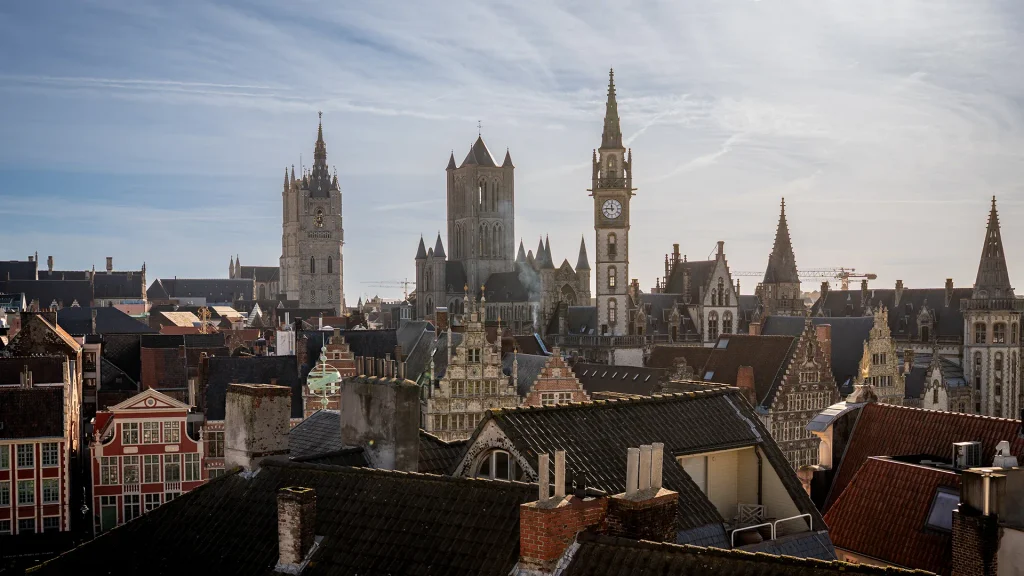
A medieval castle, a masterpiece by Van Eyck, canals lined with historic houses, a belfry listed as a UNESCO World Heritage Site, and even an alley completely covered in graffiti… Ghent is packed with hidden gems to discover in a city on a human scale.
Long overshadowed by Bruges and Brussels, Ghent nonetheless fully deserves its place among Europe’s most beautiful getaway destinations. And perhaps that is precisely what gives it its charm: here, historic landmarks stand side by side with student life, lively cafés, restaurants, and a particularly vibrant arts scene.
So, what is there to do in Ghent? What are the must-see attractions? How much time should you plan for? And where are the best spots to take great photos?
Here is our travel guide to Ghent, featuring the must-do activities in Ghent and all our tips for making the most of your stay.
Ghent in short
- How do i get there?
The train is the most convenient option. Direct trains from Brussels to Ghent take about 30 minutes, with frequent departures every day.
- best time to visit
From April through October to enjoy the outdoor seating and long days; December is also a great time to experience the winter atmosphere.
- How long will you be there?
Two days is the ideal amount of time to visit Ghent without rushing.
One day is enough to explore the historic center and the main landmarks, but spending the night there lets you enjoy Ghent after the day-trippers have left. It’s especially pleasant at sunset, when the facades and landmarks are lit up.
If you enjoy museums or art, or would like to explore the city further, plan on spending 3 days instead.
- How do you get around there?
Good news: You can explore Ghent’s historic center mostly on foot.
For longer trips, the De Lijn tram and bus network is very convenient. Lines 1 through 4 run through the city center. A contactless fare currently costs €3, and the same ticket is valid for one hour.
Cycling is also very popular in Ghent.
- How should we communicate?
In Ghent, people speak Flemish (Dutch), but English is widely spoken there.
A Brief History: Ghent, from Medieval Town to Cultural City
Located at the confluence of the Lys and the Scheldt rivers, Ghent began to flourish in the Middle Ages thanks to trade and the textile industry. Beginning in the 11th century, it became one of the most prosperous and powerful cities in Northern Europe. This wealth has left many traces in its urban landscape, such as the Counts’ Castle, the belfry, and the historic houses lining the canals.
In 1500, Ghent welcomed a famous native son: Charles V, the future Holy Roman Emperor. However, his relationship with his hometown quickly deteriorated, and he crushed a revolt by the people of Ghent in 1540. After several less prosperous centuries, Ghent experienced a new boom in the 19th century thanks to industrialization and its textile industry.
Today, the city has managed to preserve its exceptional medieval heritage while developing a vibrant cultural and artistic scene, which is what gives it its charm.
The 7 Must-Do Activities in Ghent
1. Take a walk through the historic center of Ghent
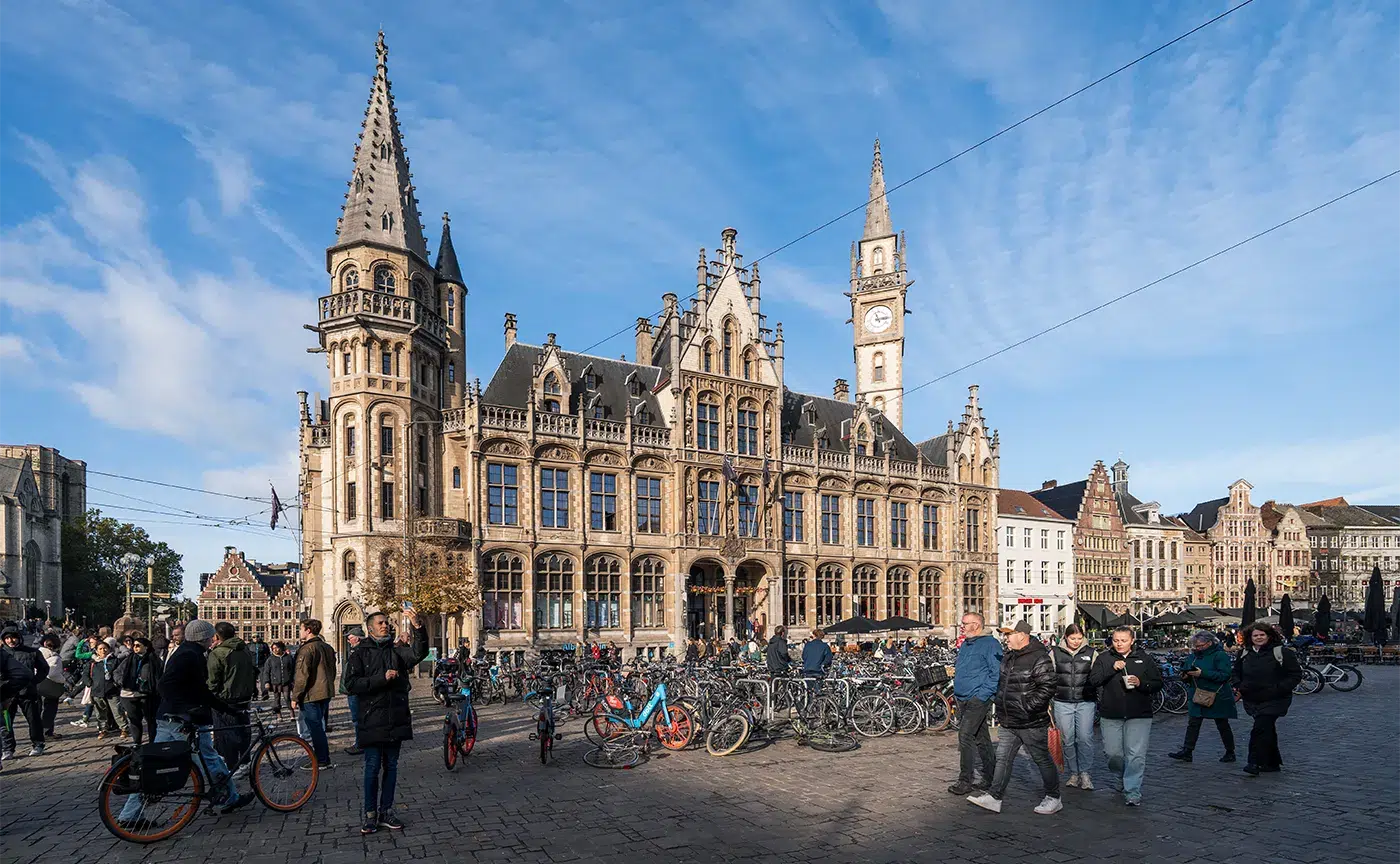
If I had to choose just one thing to do in Ghent, this would be it! The historic center is compact enough to explore on foot and has surprises in store around almost every corner.
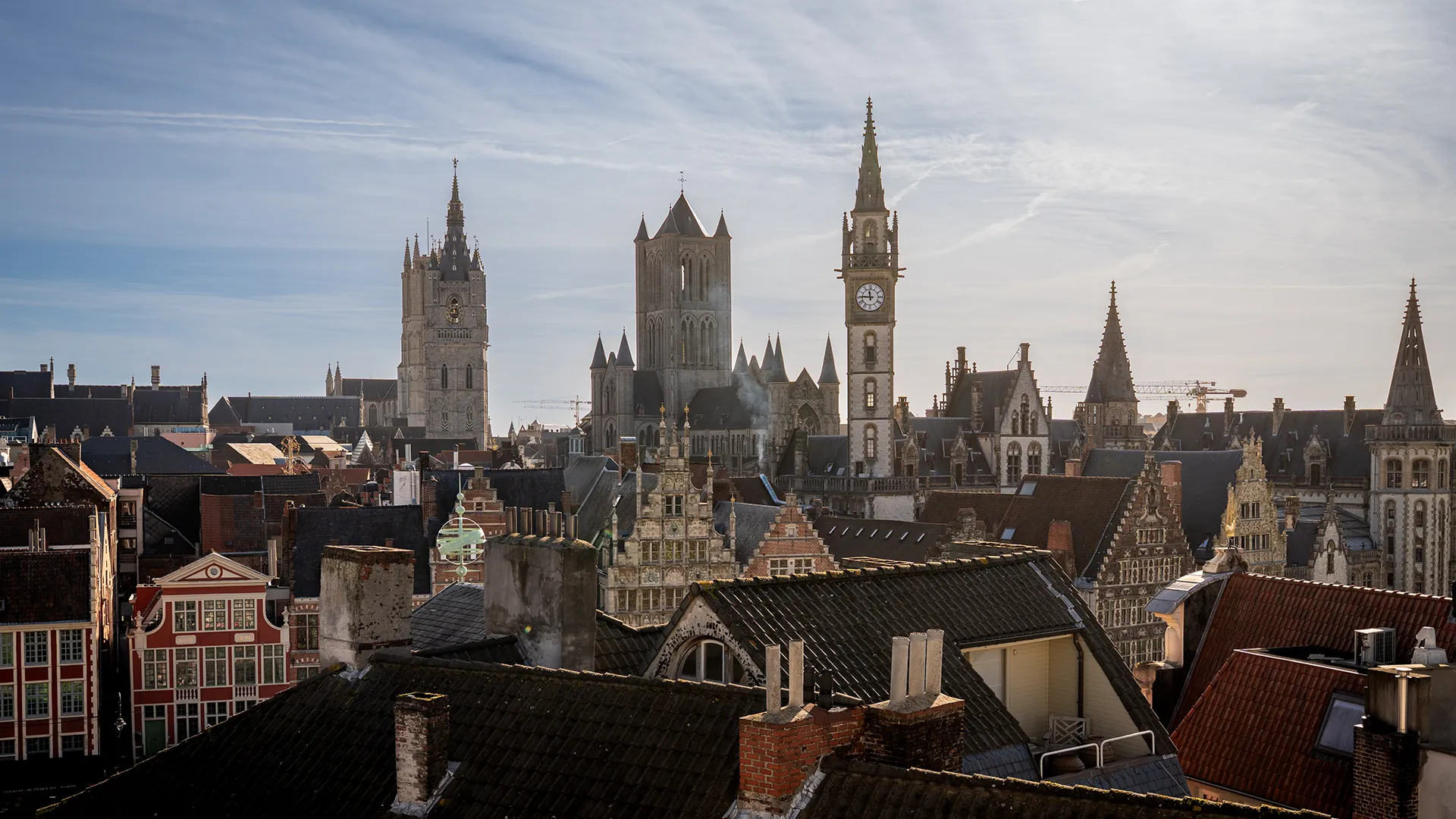
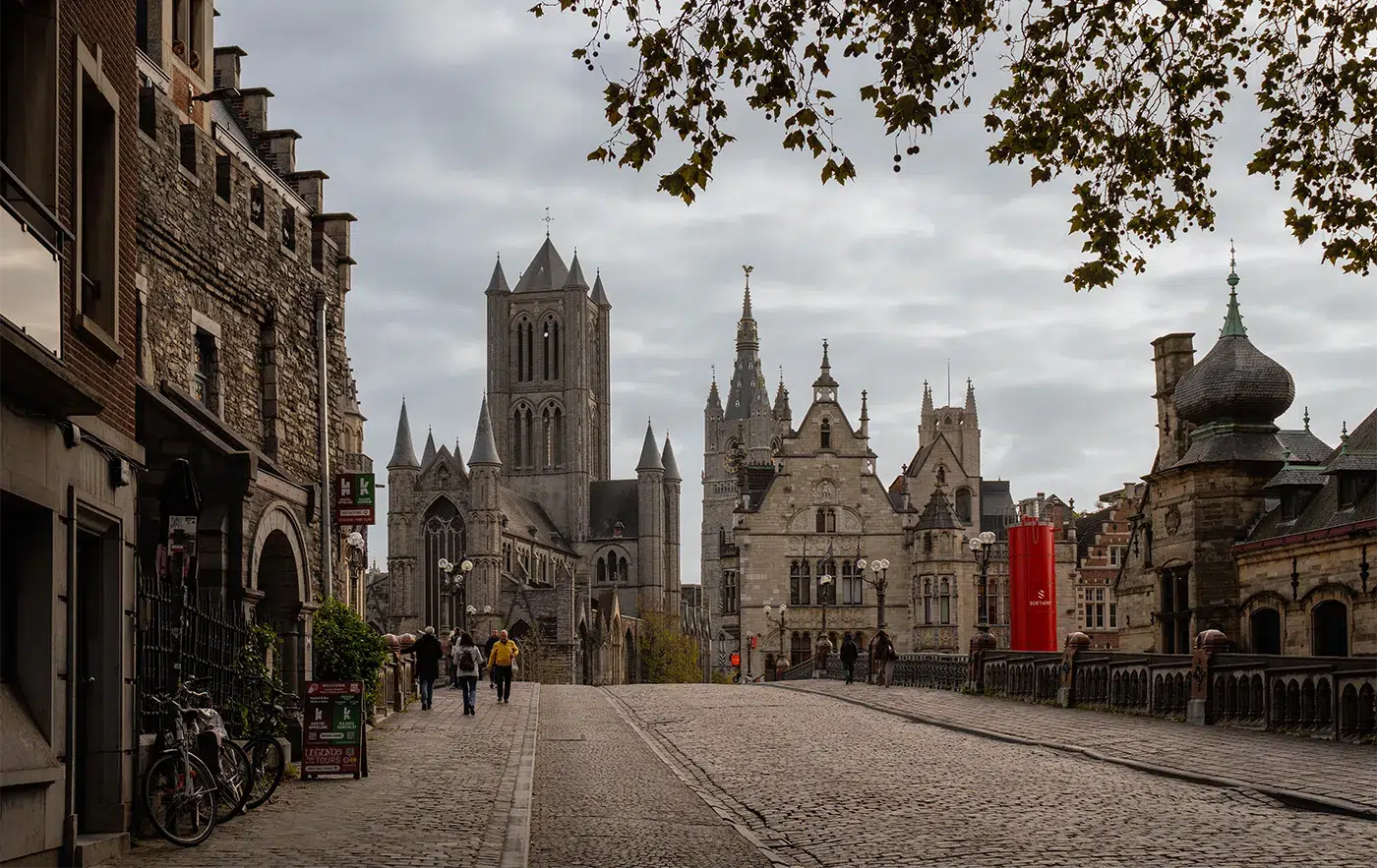
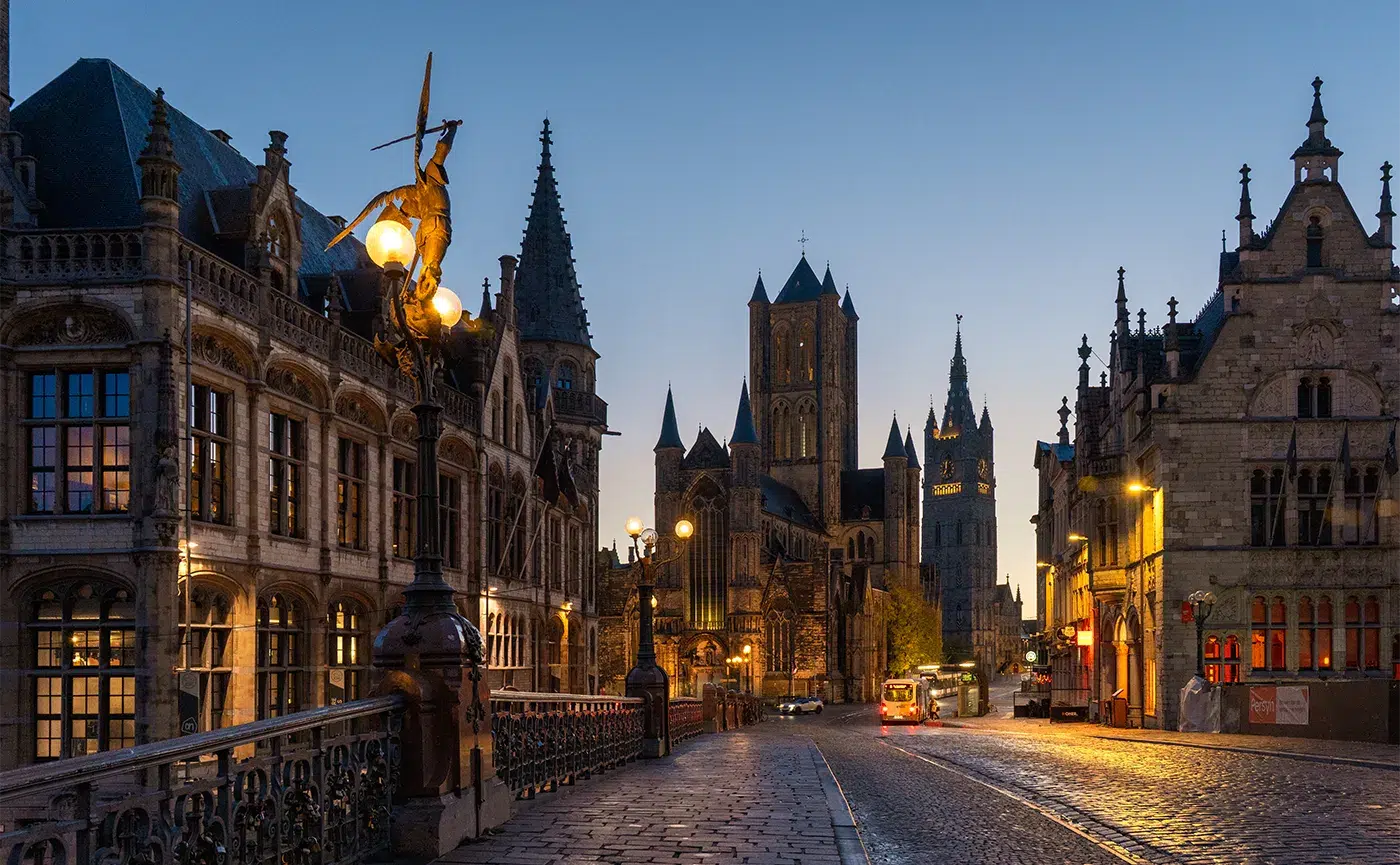
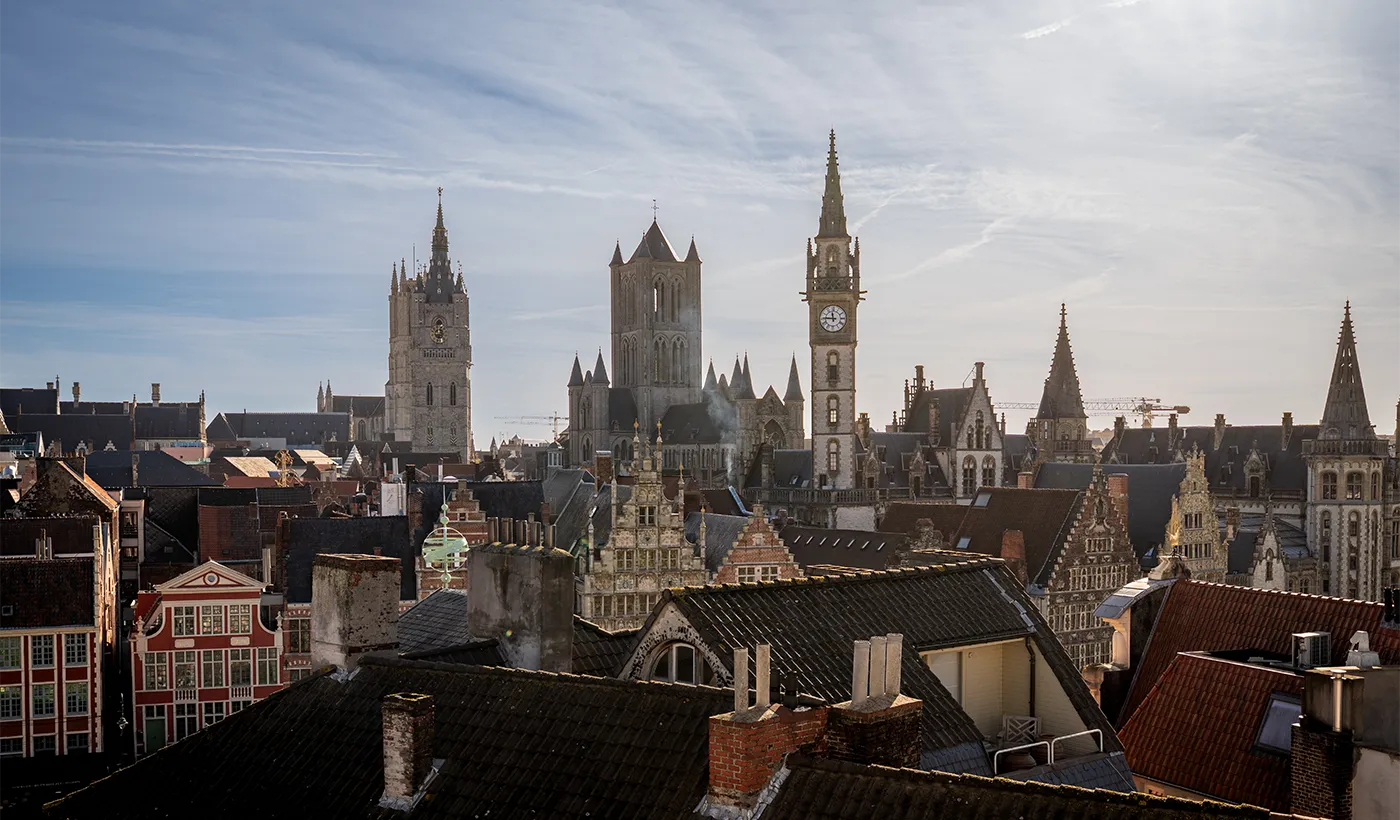
Start at Korenmarkt, then head toward the Saint Michael’s Bridge. From there, you’ll see one of Ghent’s most famous views: the city’s three towers lined up one behind the other.
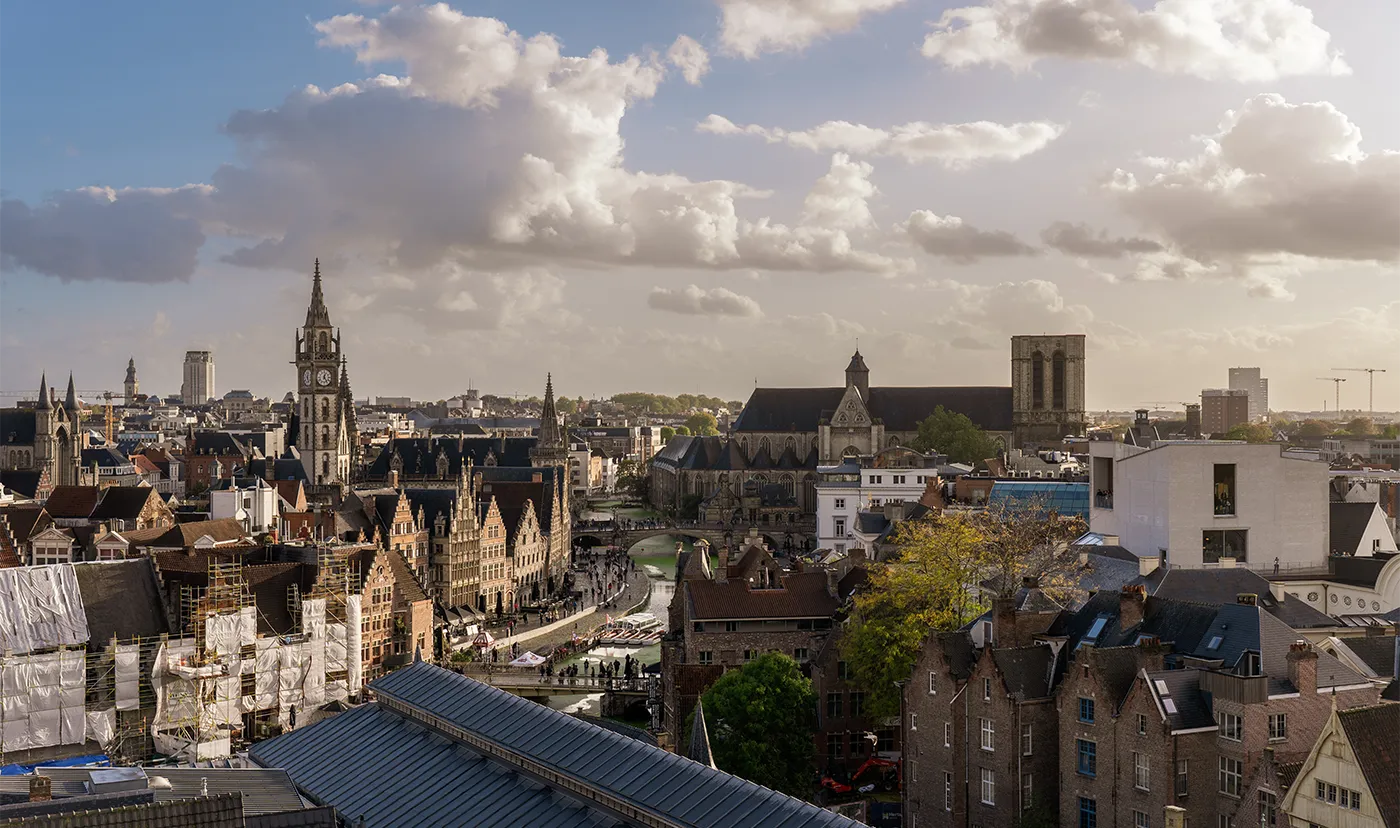
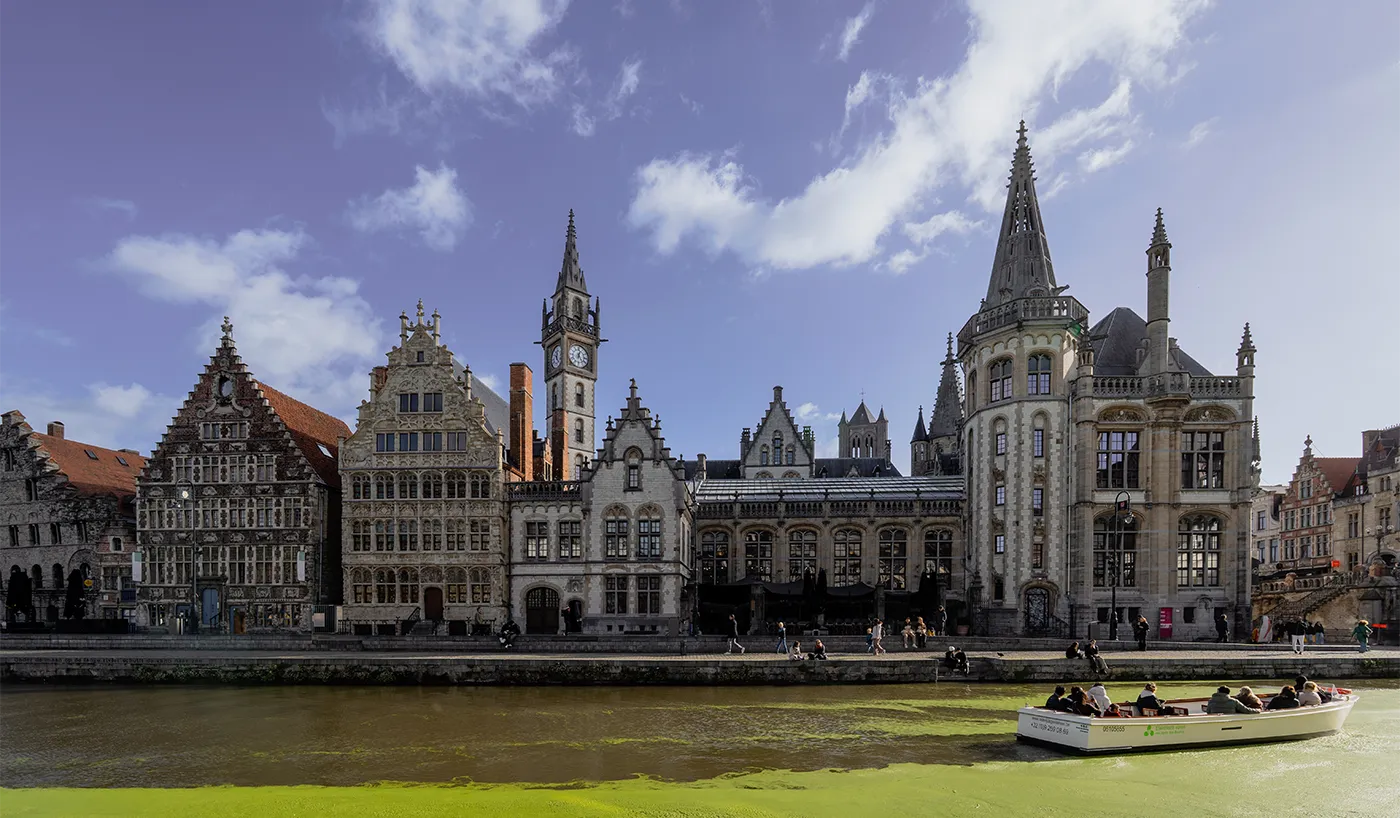
Next, continue on to the Graslei and Korenlei, the old quays of the medieval port. The historic houses lining the Lys River are probably the city’s most iconic sight.
Don’t miss the Grasbrug Bridge, the Patershol neighborhood, the Counts’ Castle, and the narrow streets around the historic center.
My advice
Come back for a stroll through downtown at sunrise or after dark. You’ll enjoy a quieter atmosphere and be able to see the monuments lit up.
2. Visit St. Bavo's Cathedral and admire the Mystical Lamb
You can’t visit Ghent without stepping inside St. Bavo’s Cathedral! Built on the site of older structures, it was gradually transformed into an impressive Gothic church between the 15th and 16th centuries. Its interior features works by Rubens as well as the famous Mystical Lamb, a masterpiece by the Van Eyck brothers completed in 1432.
The Adoration of the Mystical Lamb consists of several panels and is one of the major works of Flemish painting.
The painting has also had a turbulent history: several of its panels were stolen during the 20th century, and one of them—the panel depicting the “Upright Judges”—has still not been recovered.
Admission to the cathedral itself is free, but there is an admission fee to view *The Mystical Lamb*. Visitors can explore the artwork using an augmented reality headset that provides insights into its history and significance.
Please note: It is recommended that you reserve a time slot in advance, as the tour is often fully booked, especially on weekends.
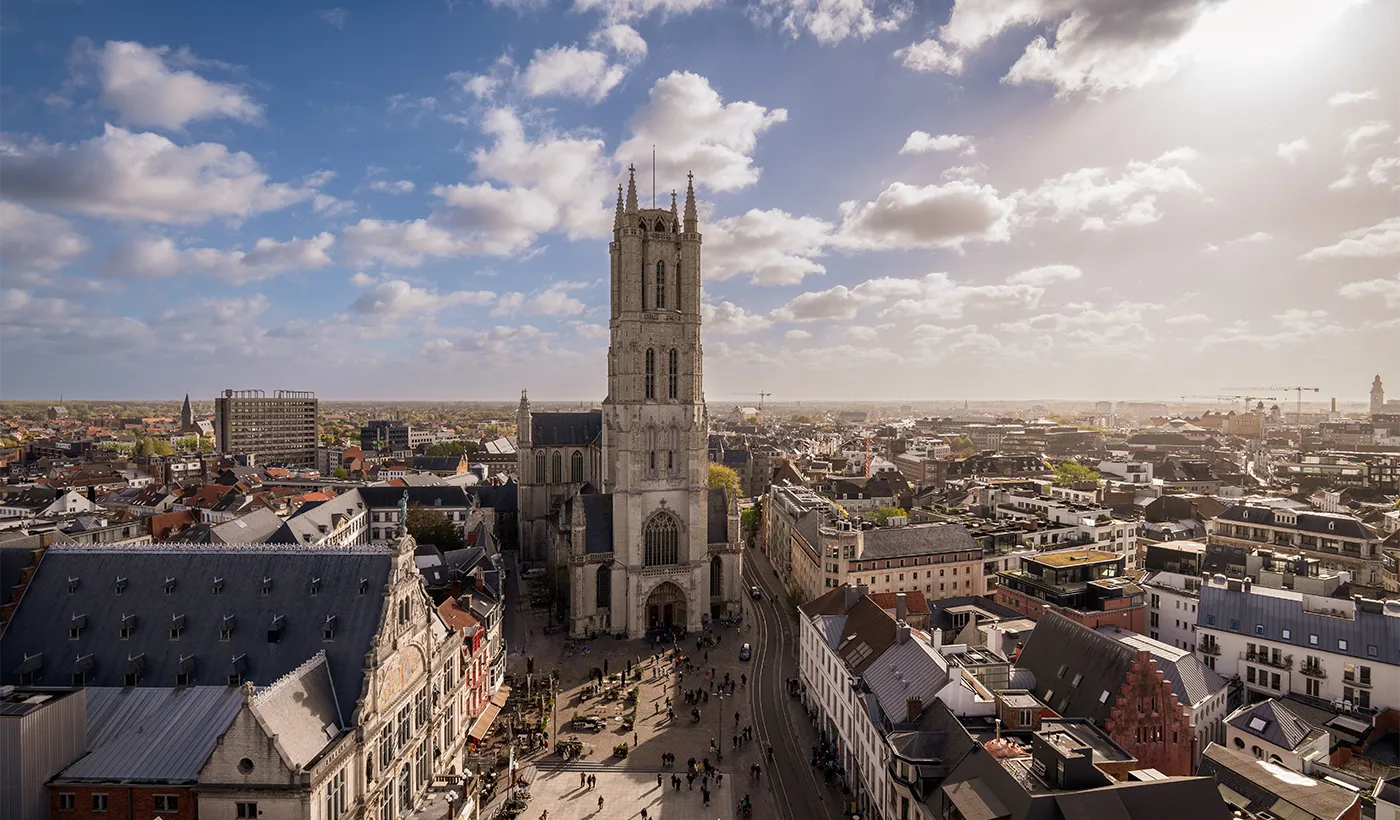
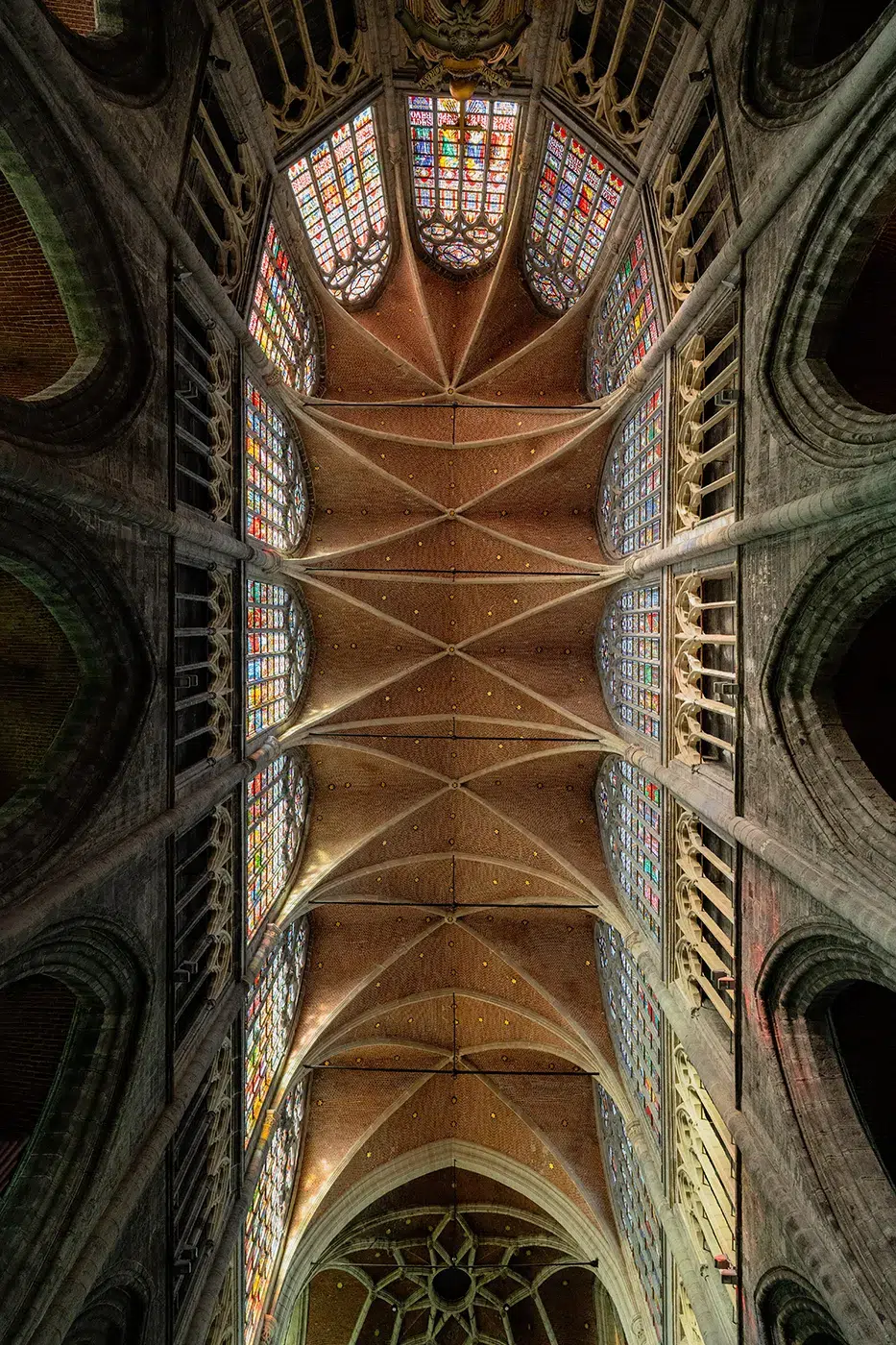
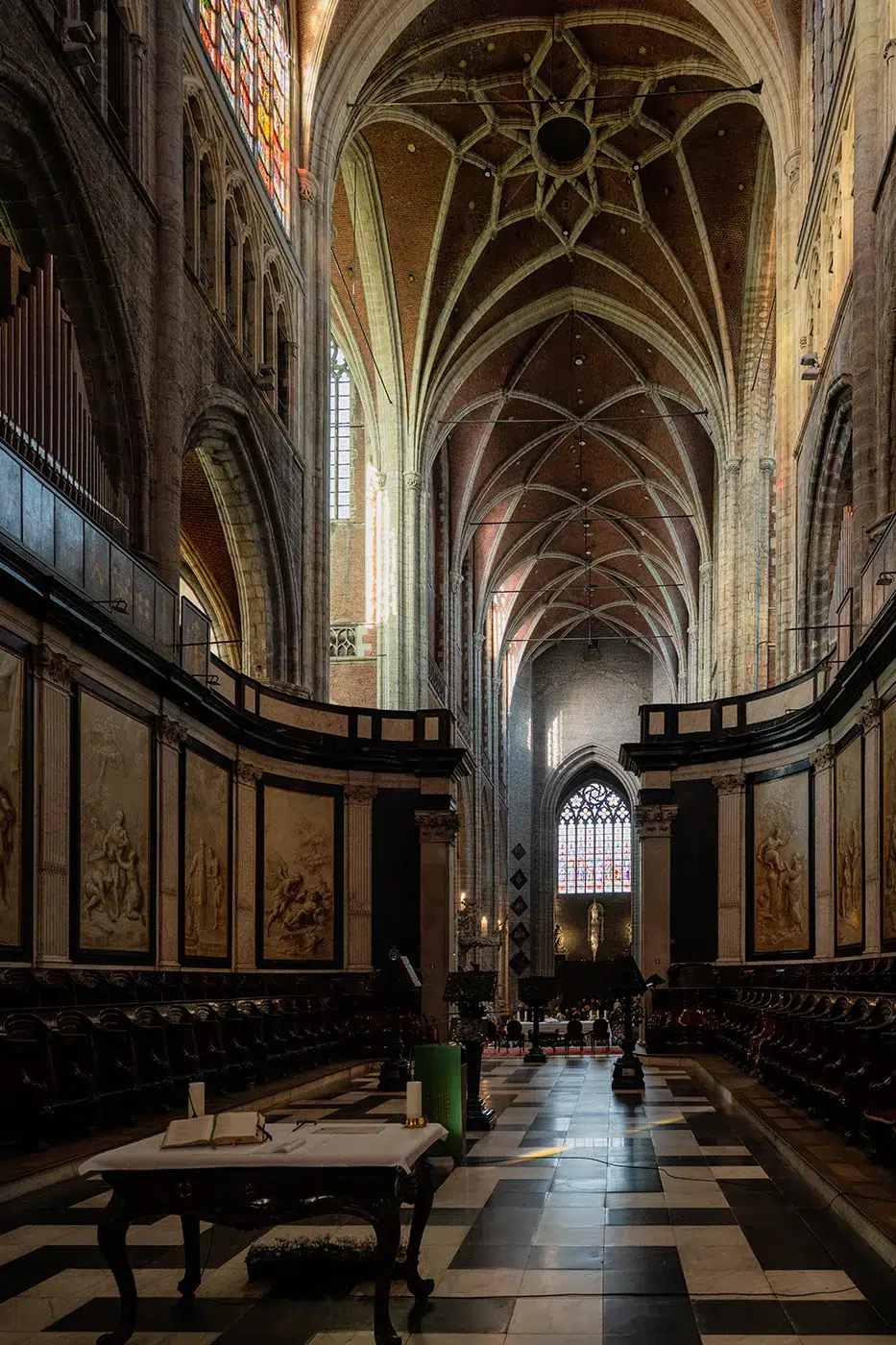
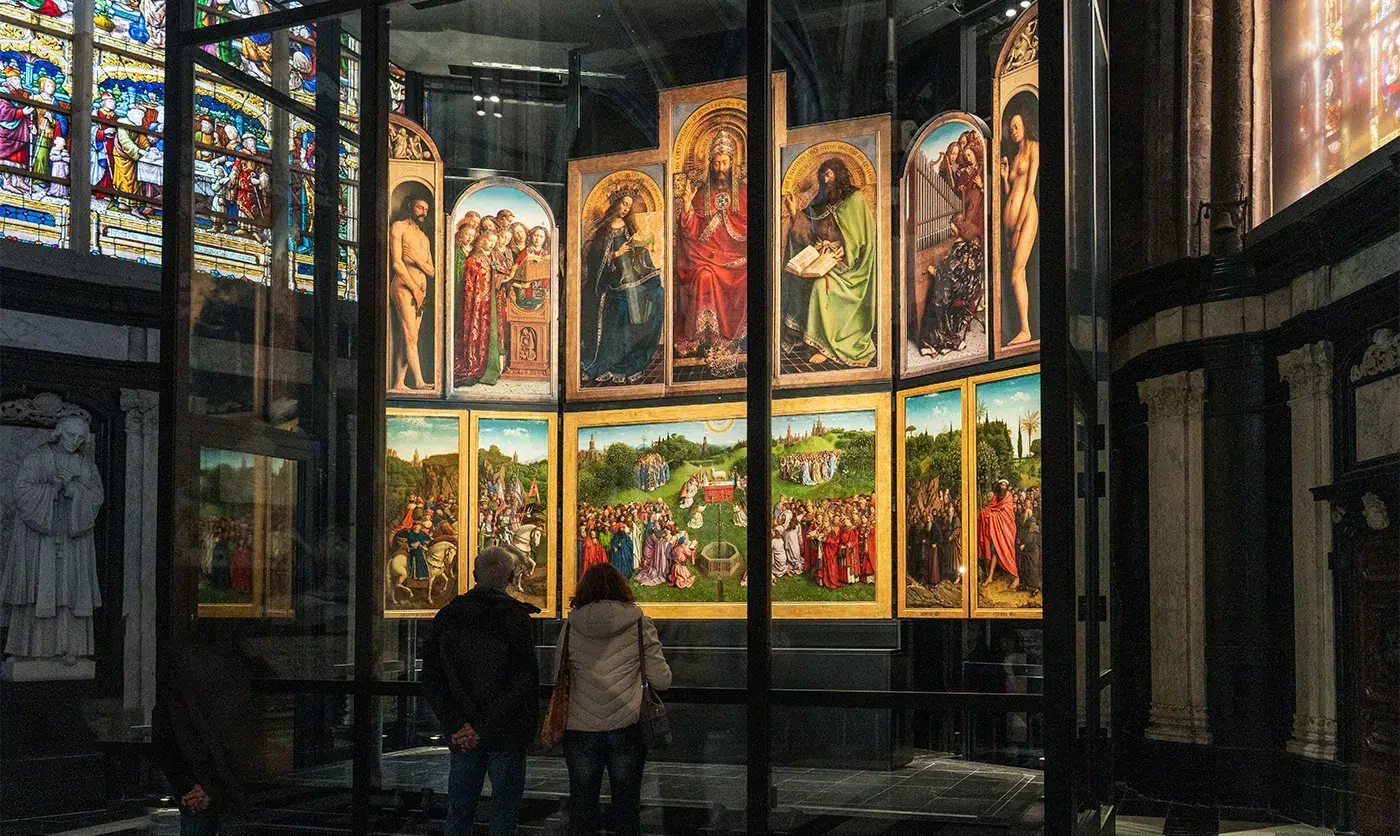
 Address: Sint-Baafsplein
 Admission to the cathedral: free Admission to *The Mystical Lamb*: €12.50; €16 with the augmented reality tour
 Cathedral: generally 8:30 a.m.–5:30 p.m. Monday through Saturday, 1:00 PM–5:30 PM on Sundays Mystical Lamb: generally 10:00 AM–5:00 PM Monday through Saturday, 1:00 PM–5:00 PM on Sundays
3. Climb the belfry in Ghent
At 95 meters tall, the belfry towers over the historic center. Built in the Middle Ages, it symbolized the city’s independence and power. Its famous golden dragon, perched atop the belfry since the 14th century, has become one of the symbols of Ghent.
Once you reach the top of the tower, you can enjoy a superb panoramic view of the rooftops of Ghent and its landmarks.
An elevator is available starting on the first floor, but the top remains inaccessible to people with limited mobility, and it’s best not to be afraid of heights.
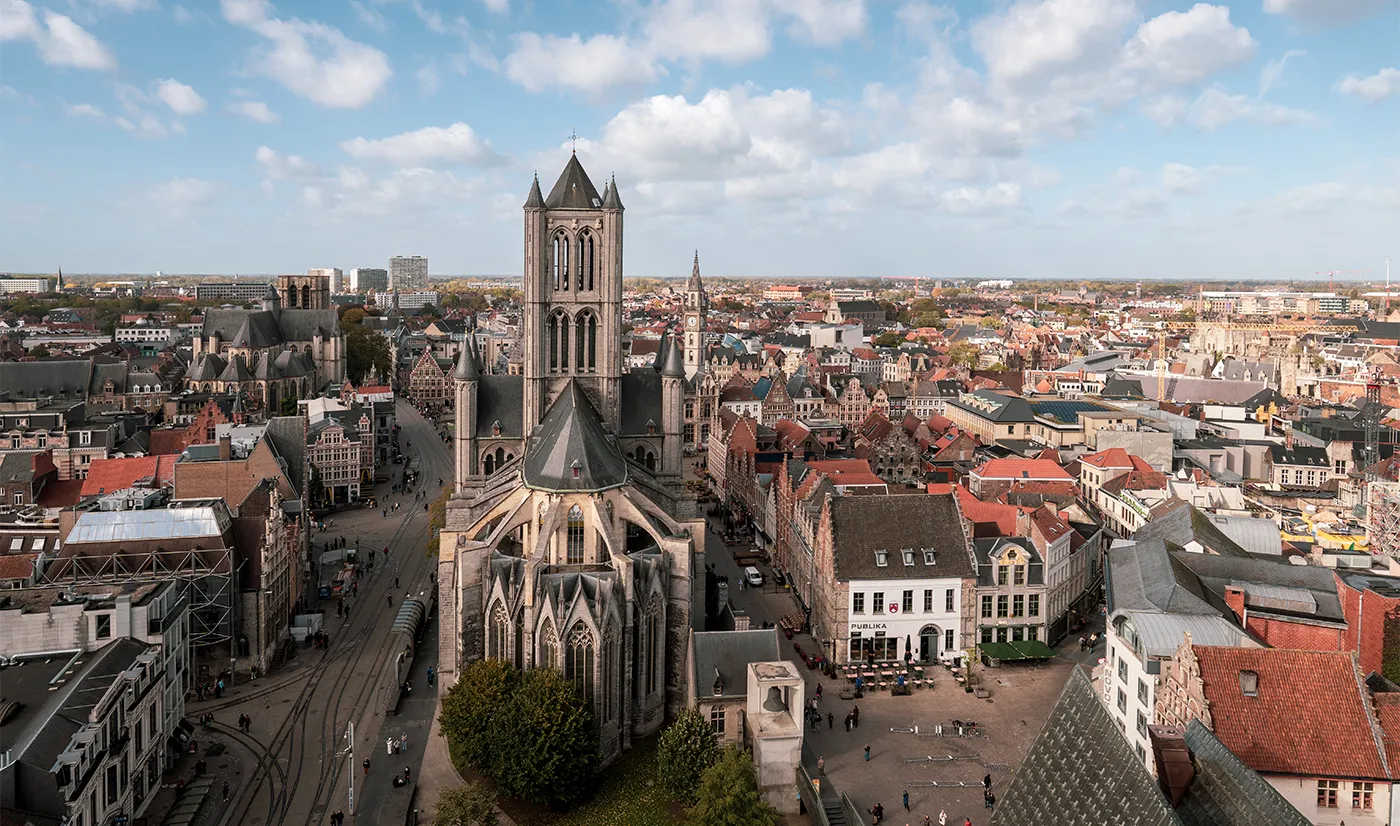
Address: Sint-Baafsplein Prices: €13, €6.50 for those under 26, €2.60 for those under 19, free for those under 12 Hours: generally 10 a.m. – 6 p.m.
4. Take a boat ride on the canals
Ghent reveals a different side of itself when viewed from the water. Several companies offer boat tours along the canals and the Lys River. For about 40 minutes, you’ll cruise past historic houses, bridges, quays, and some of the city’s main landmarks.
The captain usually also serves as a guide, and commentary is available in several languages.
Although it’s very touristy, this walk is also one of the best ways to photograph Ghent from a different angle.
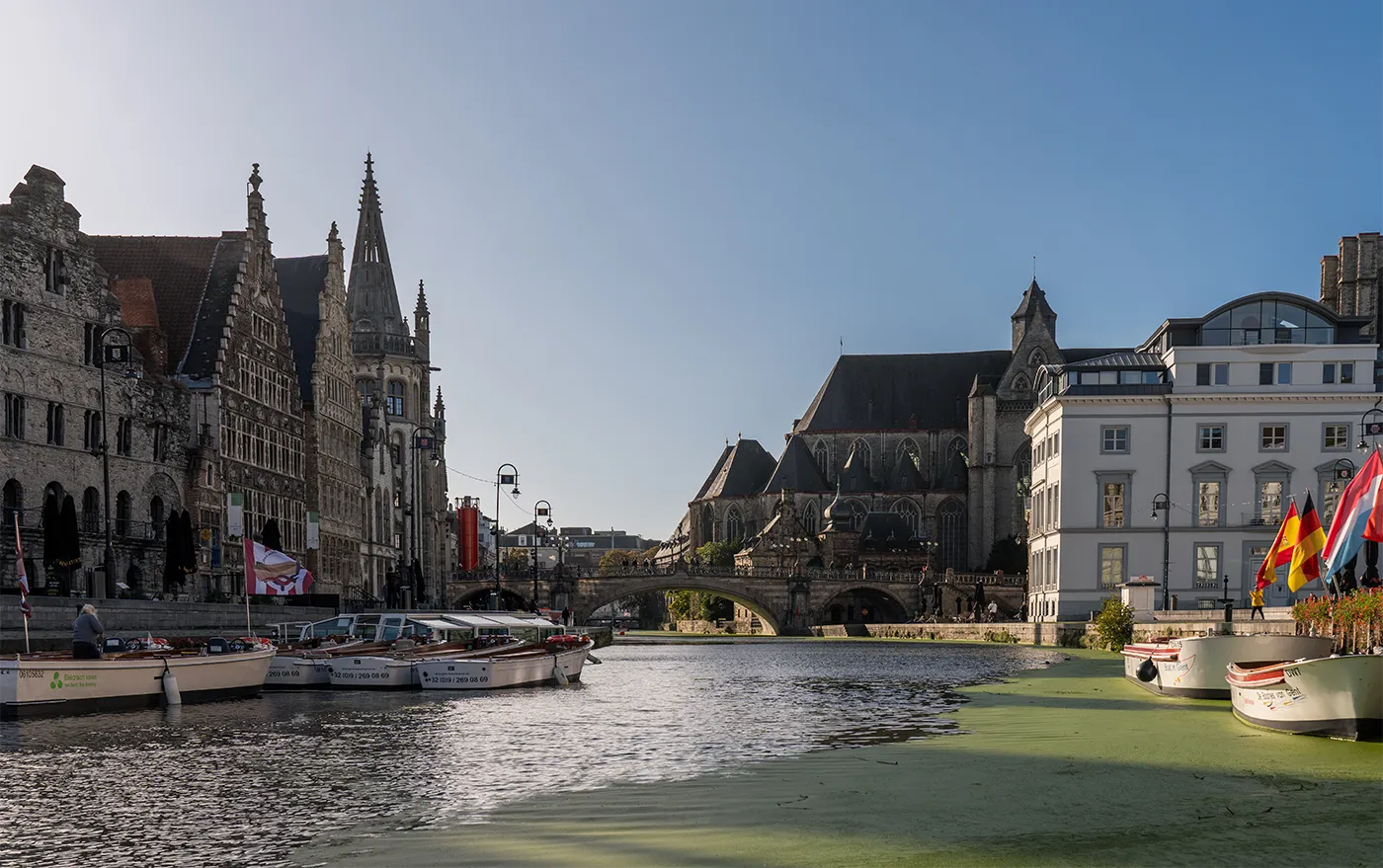
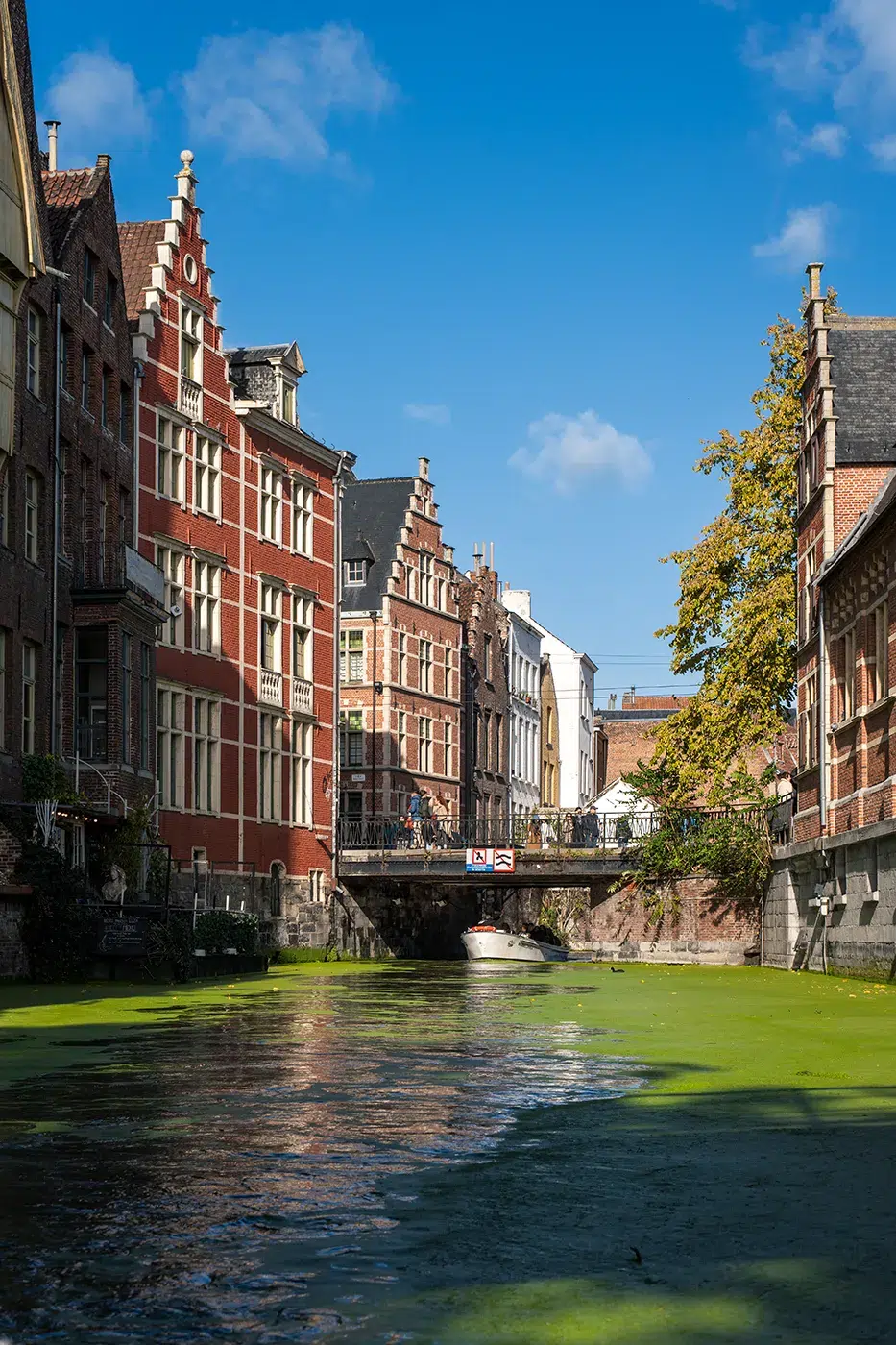
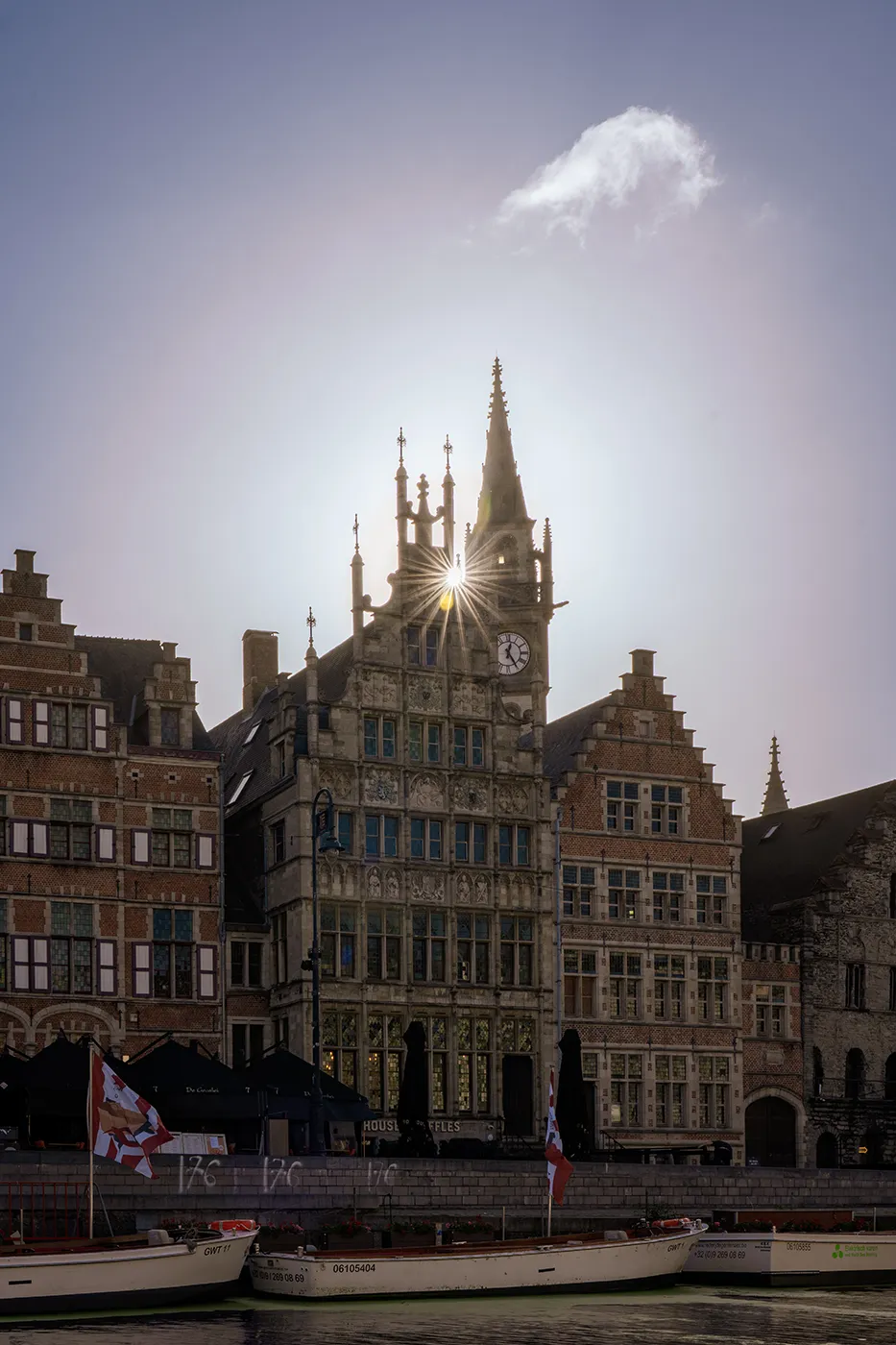
Departures: including Korenlei or Groentenmarkt, depending on the company Prices: starting at €7.50; some companies charge €11 for the classic tour Schedule: classic tours are offered daily, with times varying by season
My advice
Plan this activity for the beginning of your stay. It will help you understand the city’s history and quickly get a feel for the layout of the downtown area.
5. Visit the Castle of the Counts
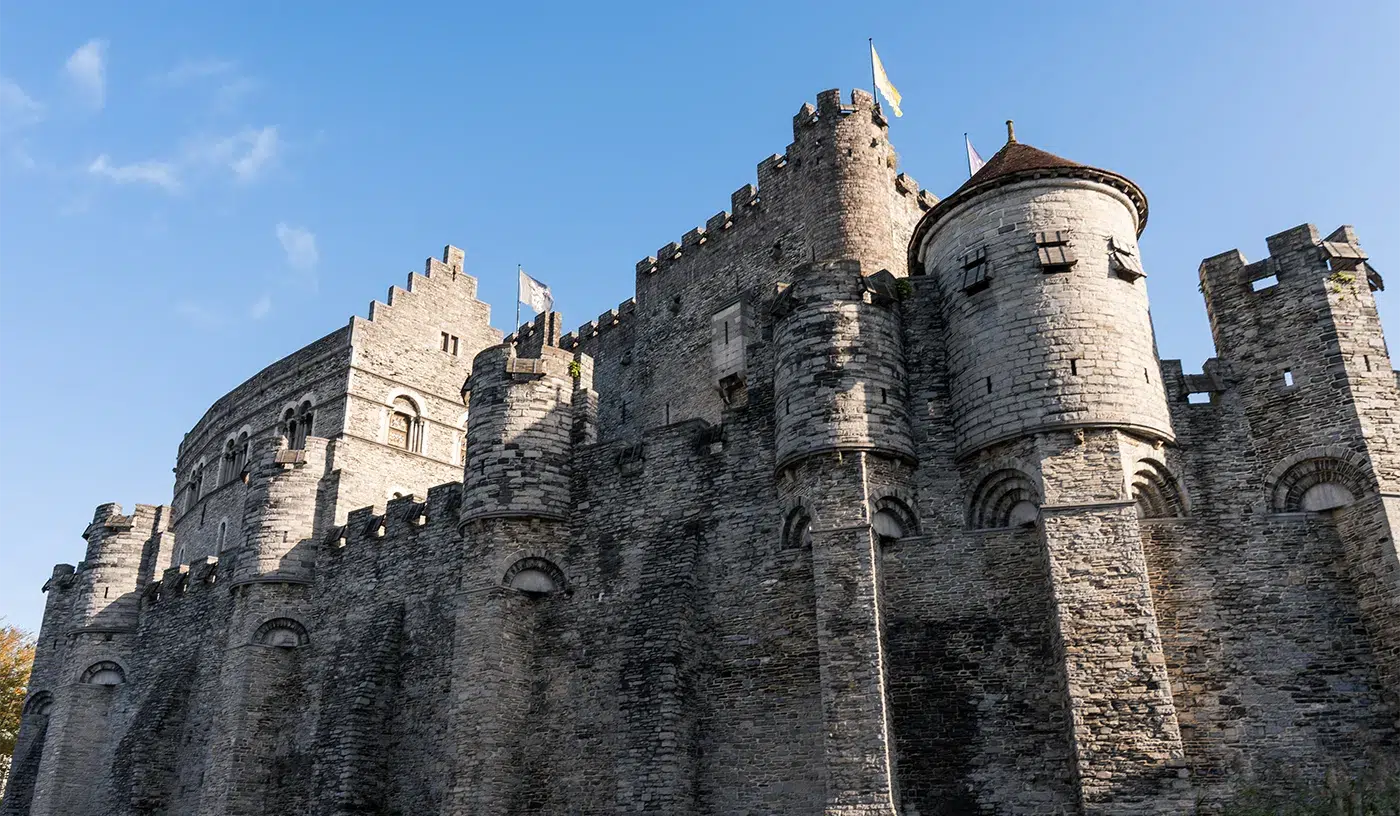
Imagine a medieval castle with a moat, ramparts, a keep, and a throne room… right in the heart of a major city. That’s exactly what the Castle of the Counts, or Gravensteen, has to offer.
Built in 1180 at the request of Count Philip of Alsace, it is now one of Ghent’s most impressive landmarks. It is also the only medieval castle in Flanders that still stands with a largely intact defensive system.
During the tour, visitors can explore the keep, the ramparts, and the former reception halls. The keep also offers one of the most beautiful views of the city.
Please note: It is recommended that you reserve a tour slot in advance or early in the day, as tours are often fully booked, especially on weekends.
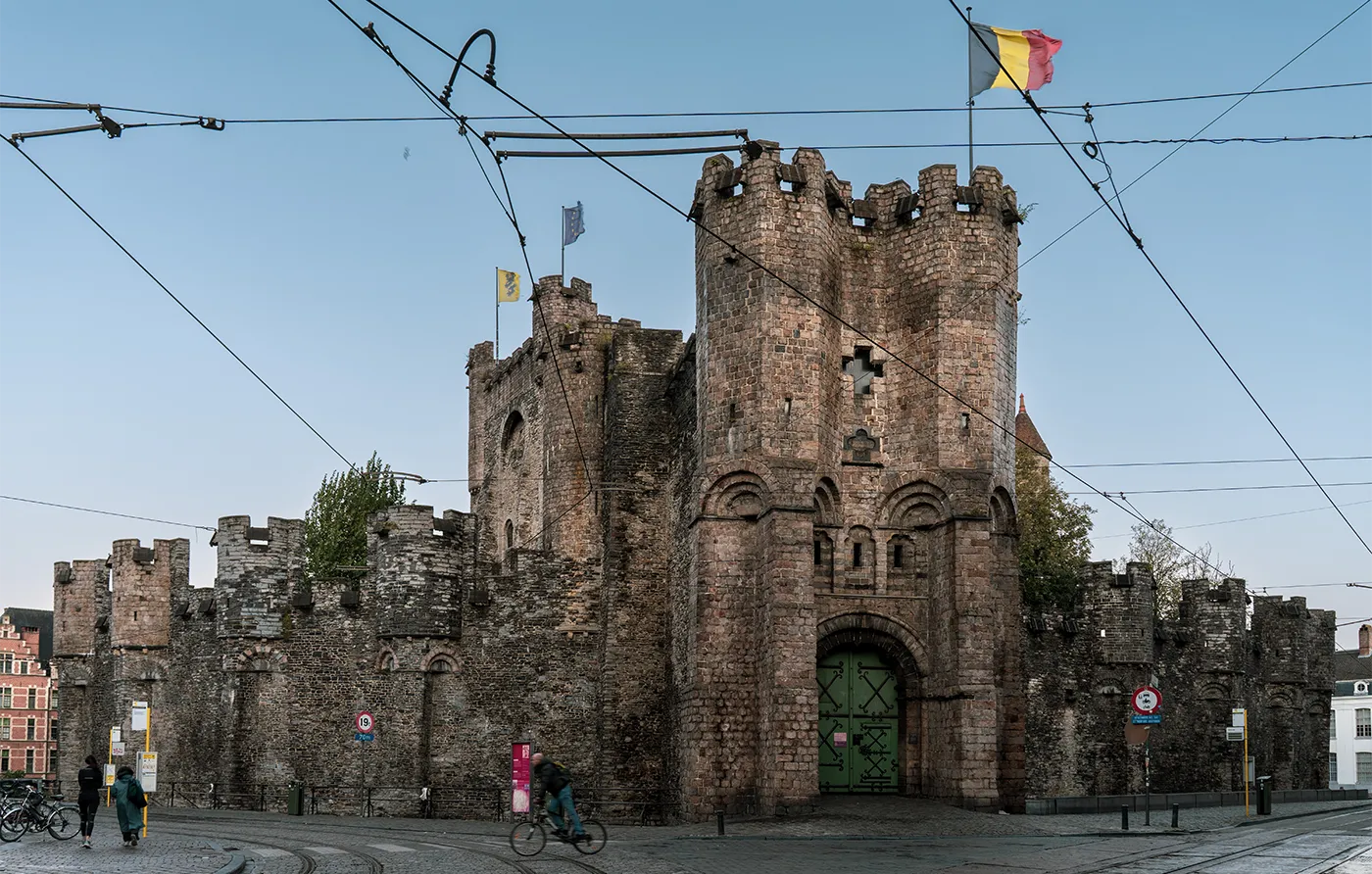
Address: Sint-Veerleplein 11 Prices: €15, €7.50 for those under 26, €3 for those under 19, free for those under 12 Hours: generally 10 a.m.–6 p.m.
6. Explore the street art scene
Since Ghent isn’t just a city of old buildings, be sure to take a detour to Werregarenstraat, better known as Graffiti Street.
This small pedestrian street in the city center has become a veritable open-air art gallery. Since a project was launched in 1995, it has become a tolerance zone dedicated to graffiti.
What makes it special? It’s constantly changing. The artwork is regularly replaced by new creations, which means the street never looks exactly the same as it did when you visited a few months ago.
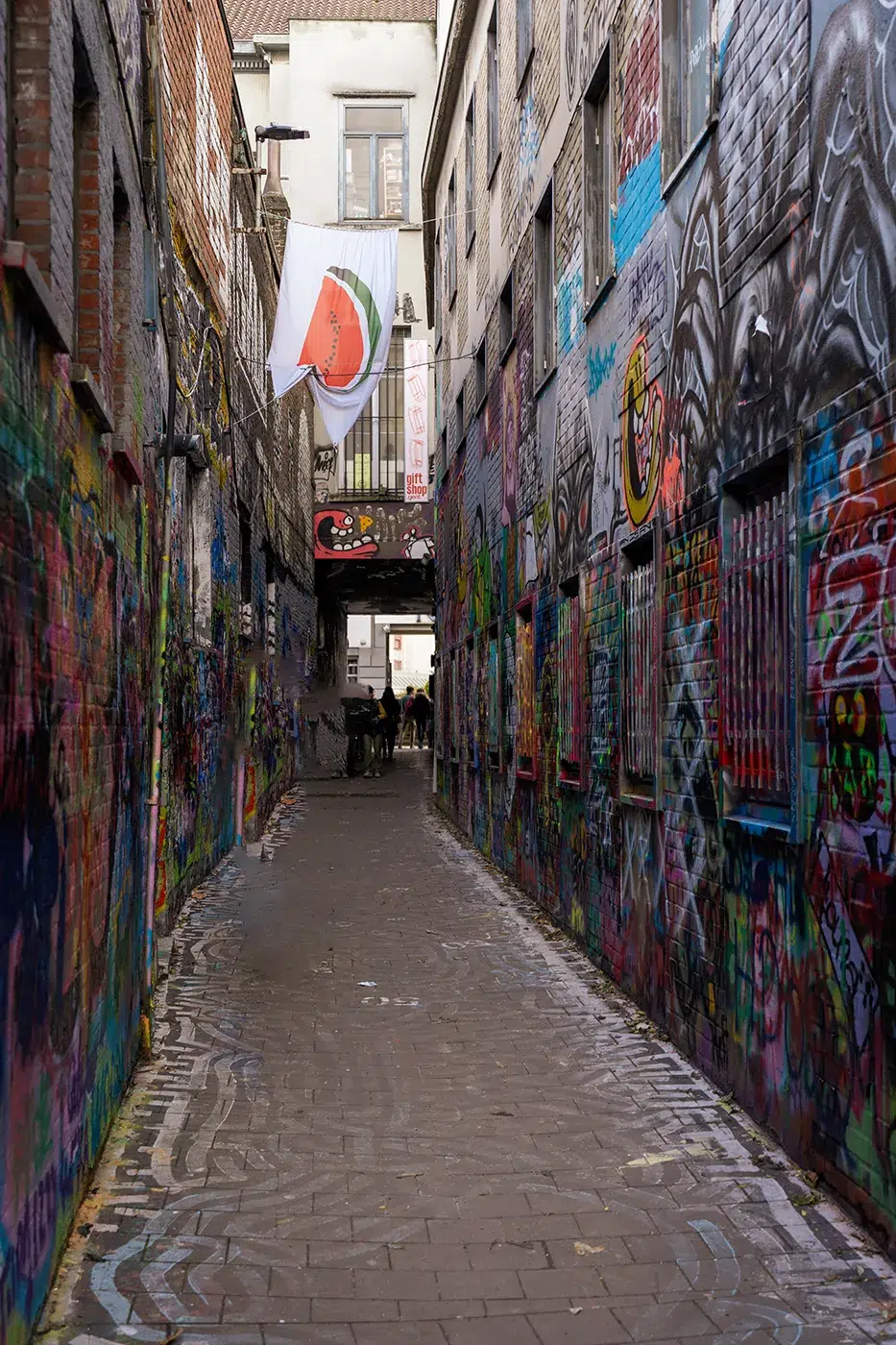
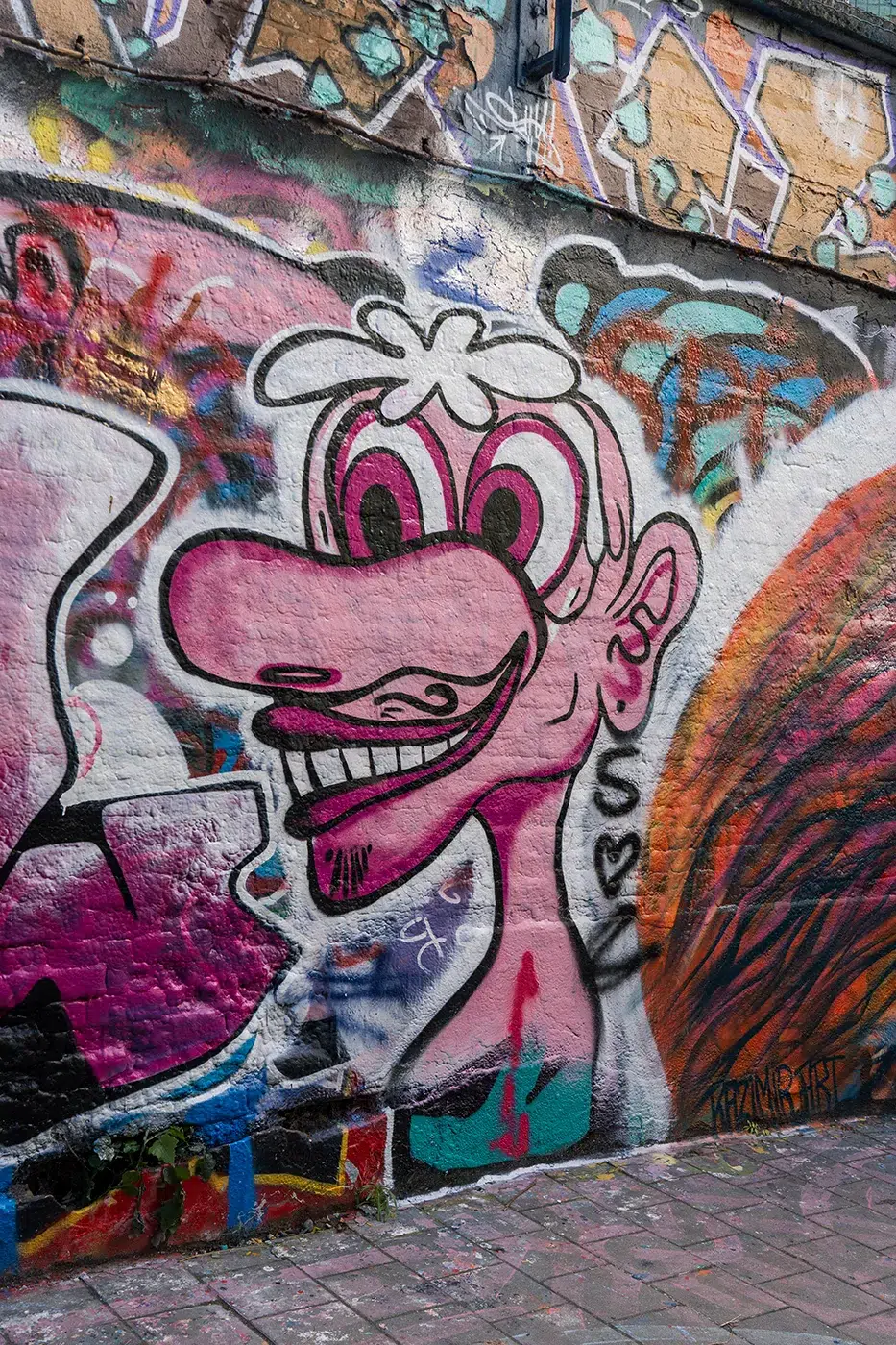
📍 Adress : Werregarenstraat
Ghent is also a city of street art; you can find the “Sorry, not sorry” map, which lists the works on display throughout the city, at this link.
7. Visit the Museum of Fine Arts in Ghent
If you love art, you absolutely must add the MSK – Museum voor Schone Kunsten to your itinerary.
It is the oldest museum in Belgium, and its collection spans a period from the Middle Ages to the 20th century. Among other things, you can admire works by Bosch, Rubens, Van Eyck, James Ensor, and Magritte.
The museum is also directly linked to the history of *The Mystical Lamb*: restoration work on some of the panels is carried out there, and visitors can sometimes watch the restorers at work.
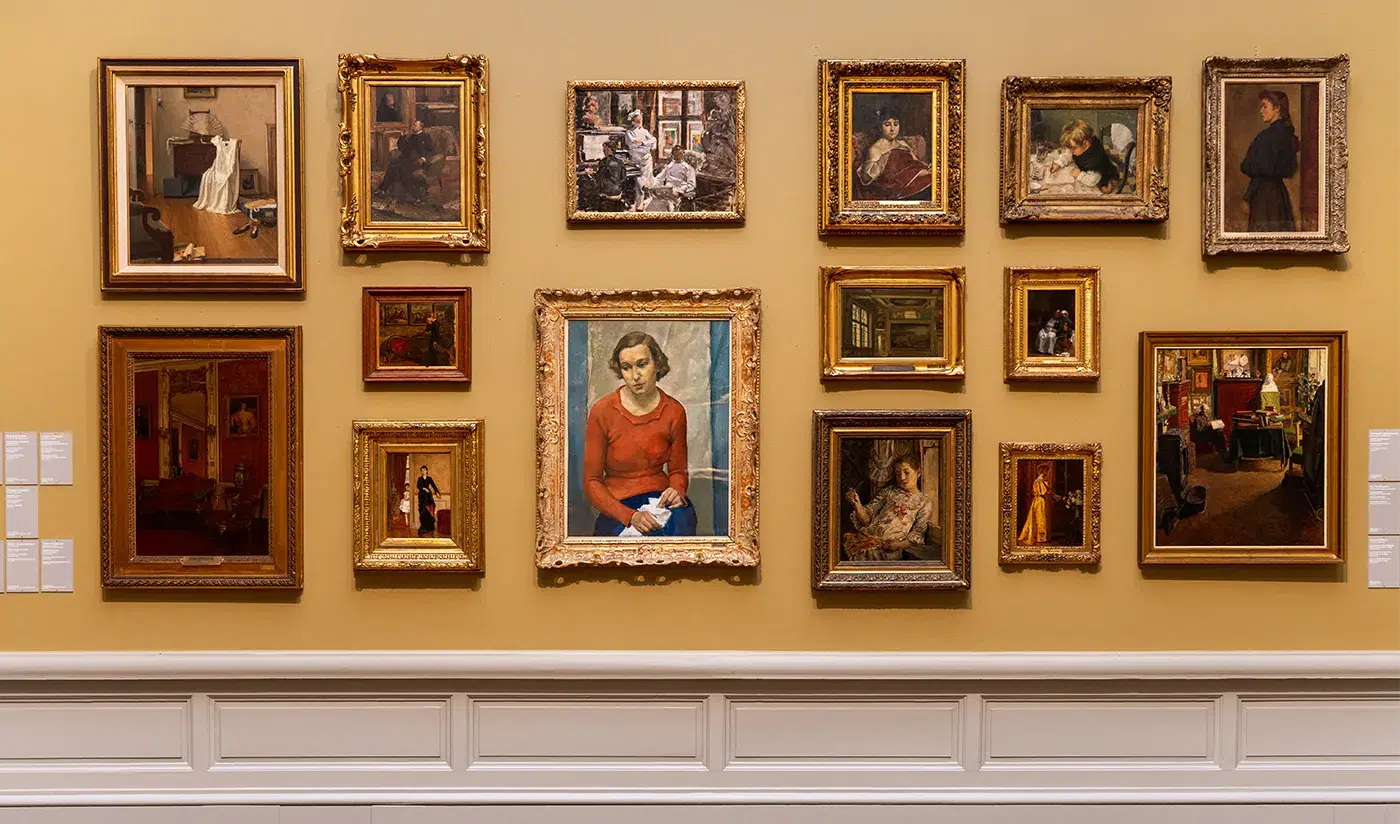
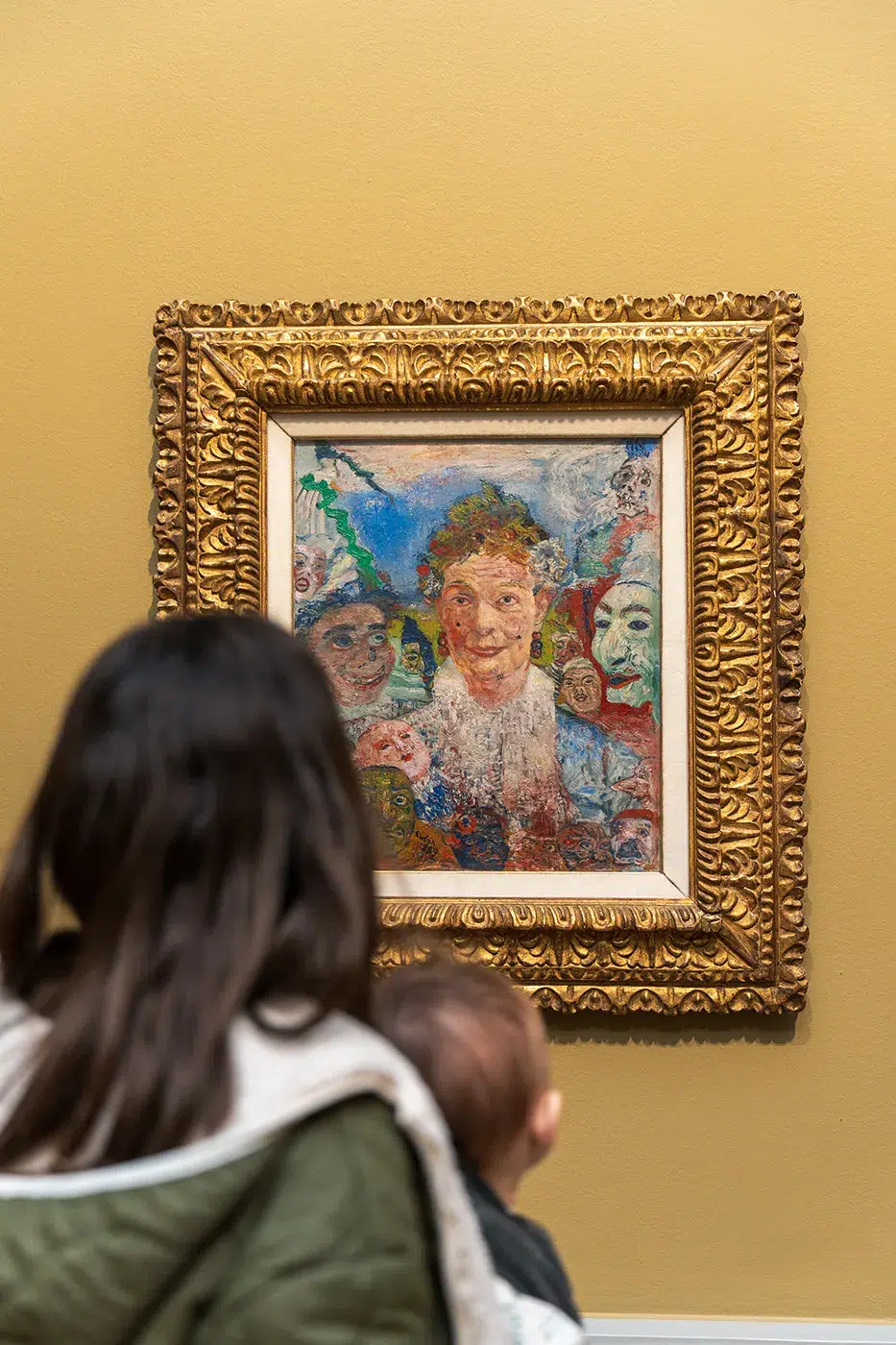
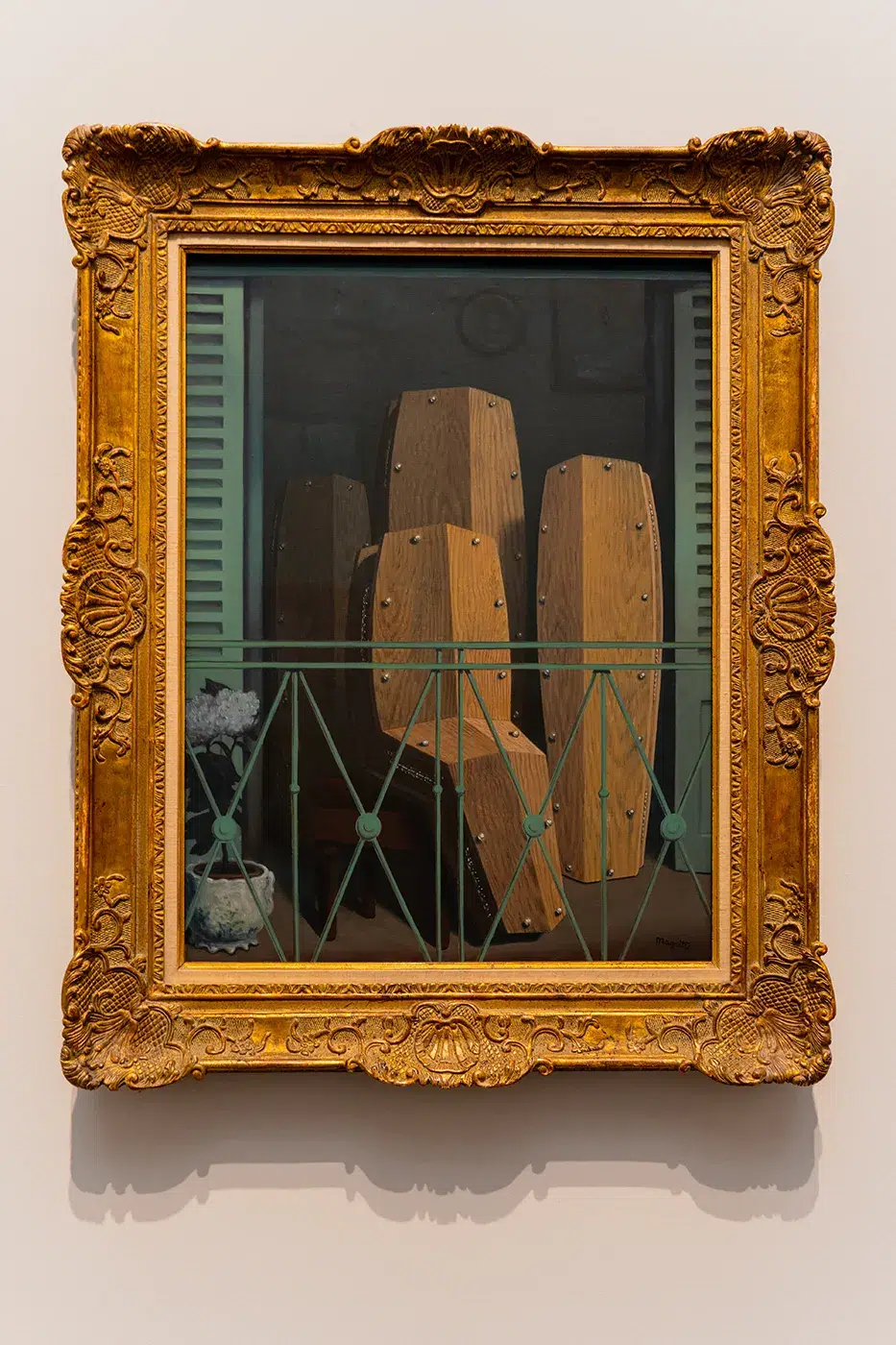
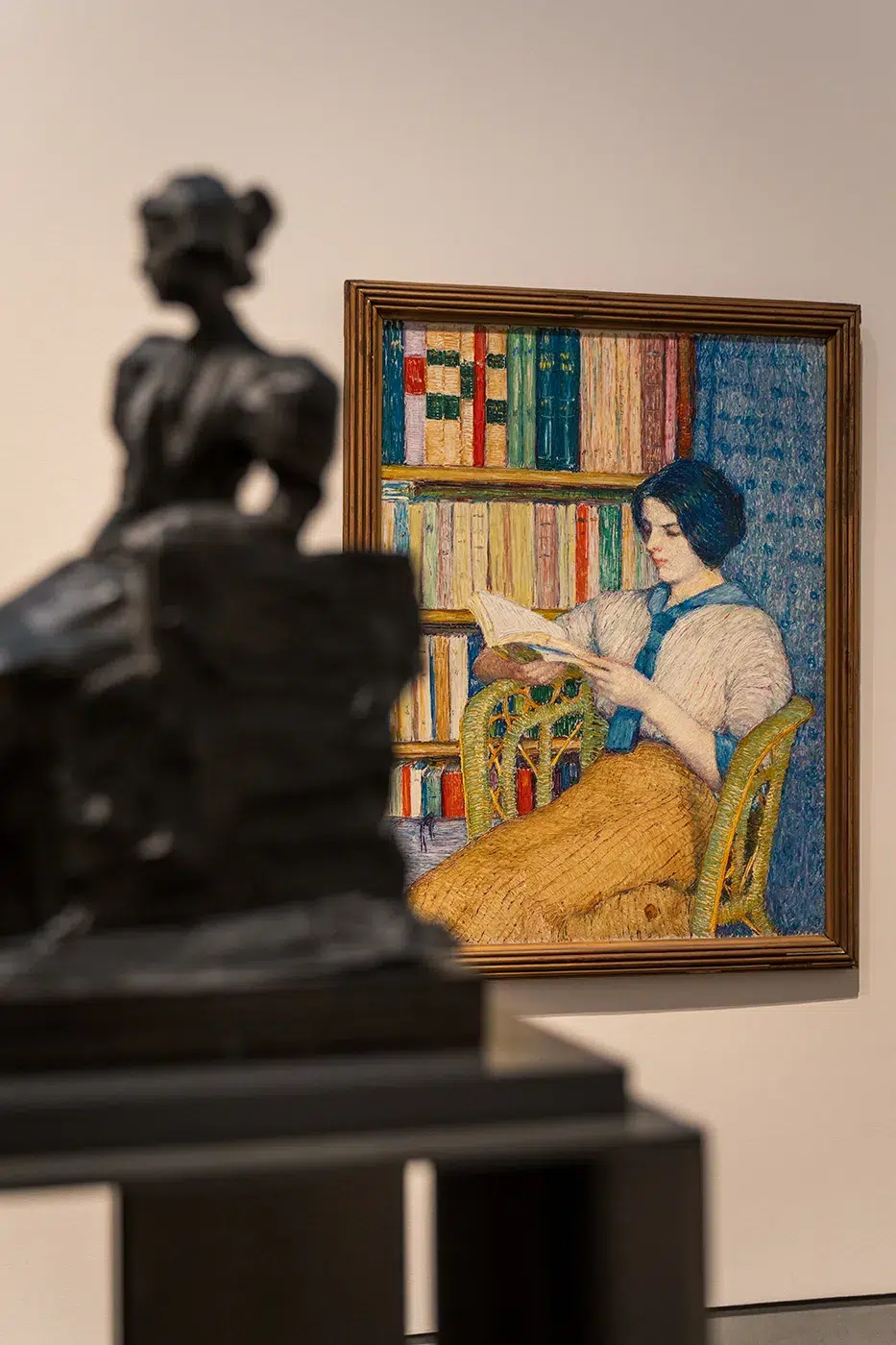
Address: Fernand Scribedreef 1 Prices: €15, €7.50 for those under 26, free for those under 18 Hours: Saturday, Sunday, Tuesday, and Wednesday, from 10 a.m. to 6 p.m.; Thursday and Friday from 9:30 a.m. to 10 p.m.; closed on Mondays
The Best Photo Spots in Ghent
If you’re looking for the best places to take photos in Ghent, here are the top 5 spots I recommend:
📸 The Saint-Michel Bridge
This is probably Ghent’s number one photo spot. From the bridge, you can photograph the city’s three towers, perfectly aligned: St. Nicholas Church, the Belfry, and St. Bavo’s Cathedral.
If you’re an early riser, dawn is the best time to take photos when there aren’t many people around.
📸 Graslei and Korenlei
The medieval facades are reflected in the Lys River, and boats pass right by the houses. Head down to the docks and take pictures of the facades from the water’s edge.
📸 The Castle of the Counts
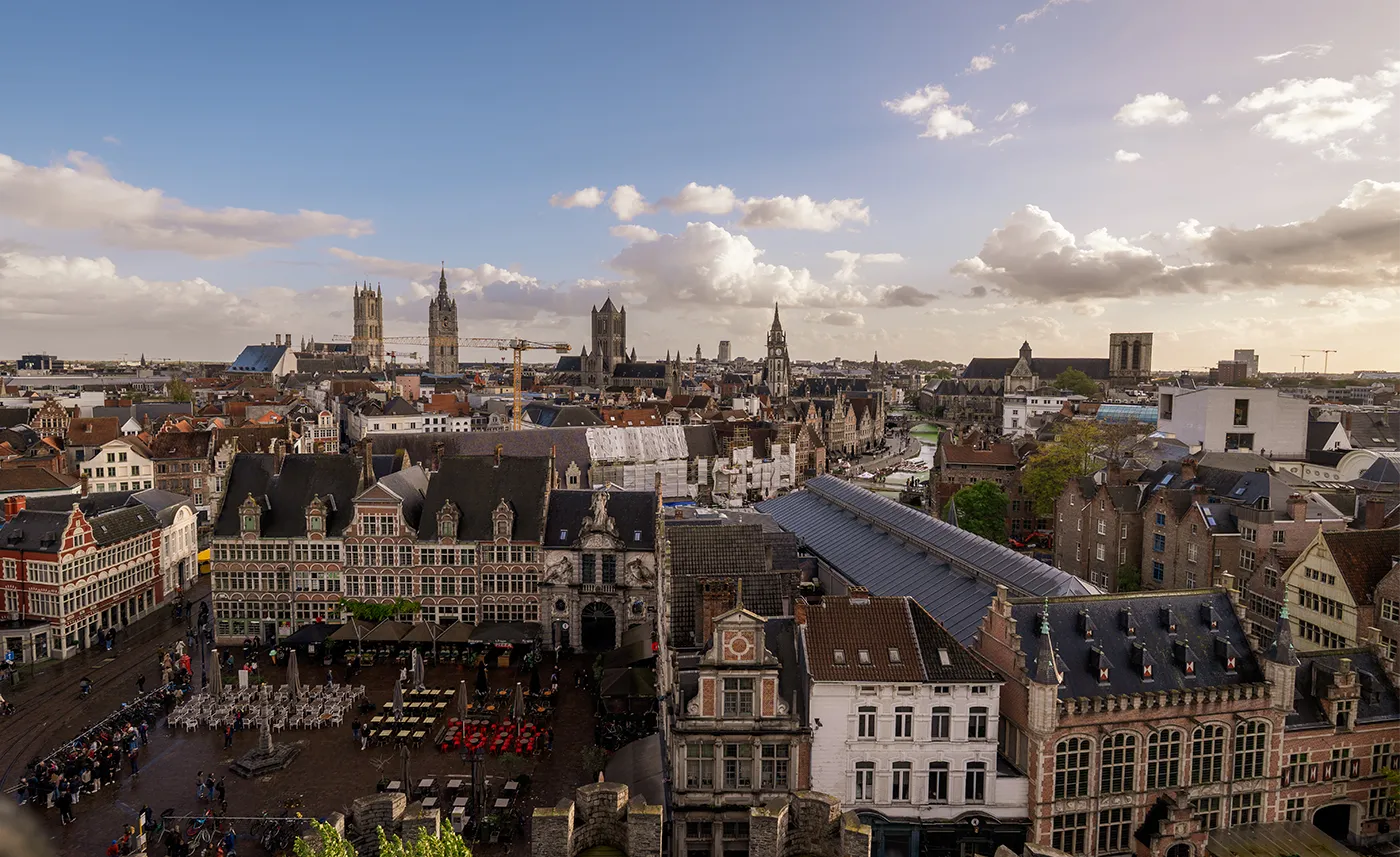
The castle is particularly photogenic when viewed from the riverbanks and the streets surrounding it. It also offers a beautiful view of the city from its keep.
📸 The belfry
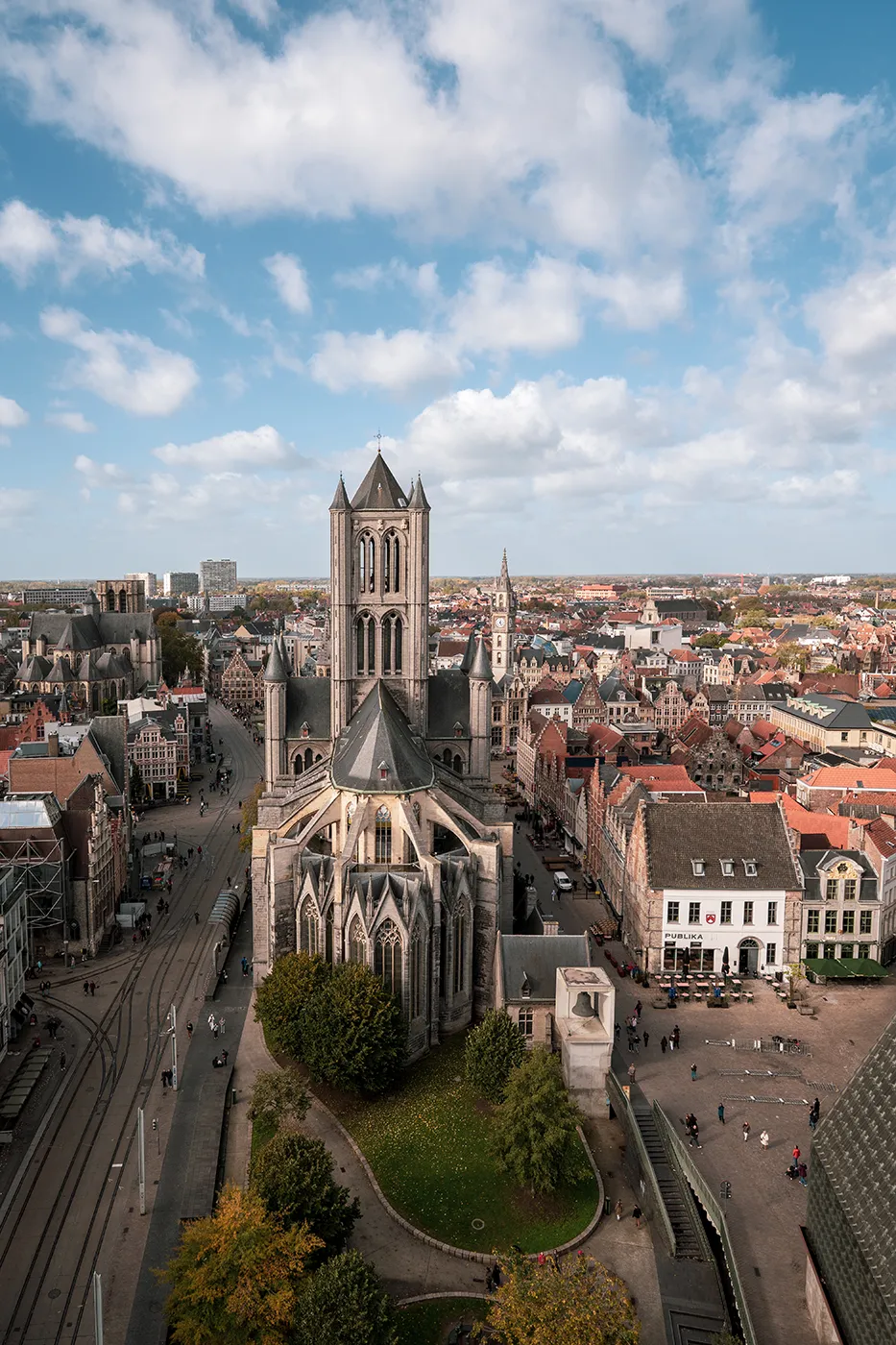
If you want to take photos of the city from a high vantage point, the belfry is the place to go! It offers an incredible view of the cathedral as well as St. Nicholas Church.
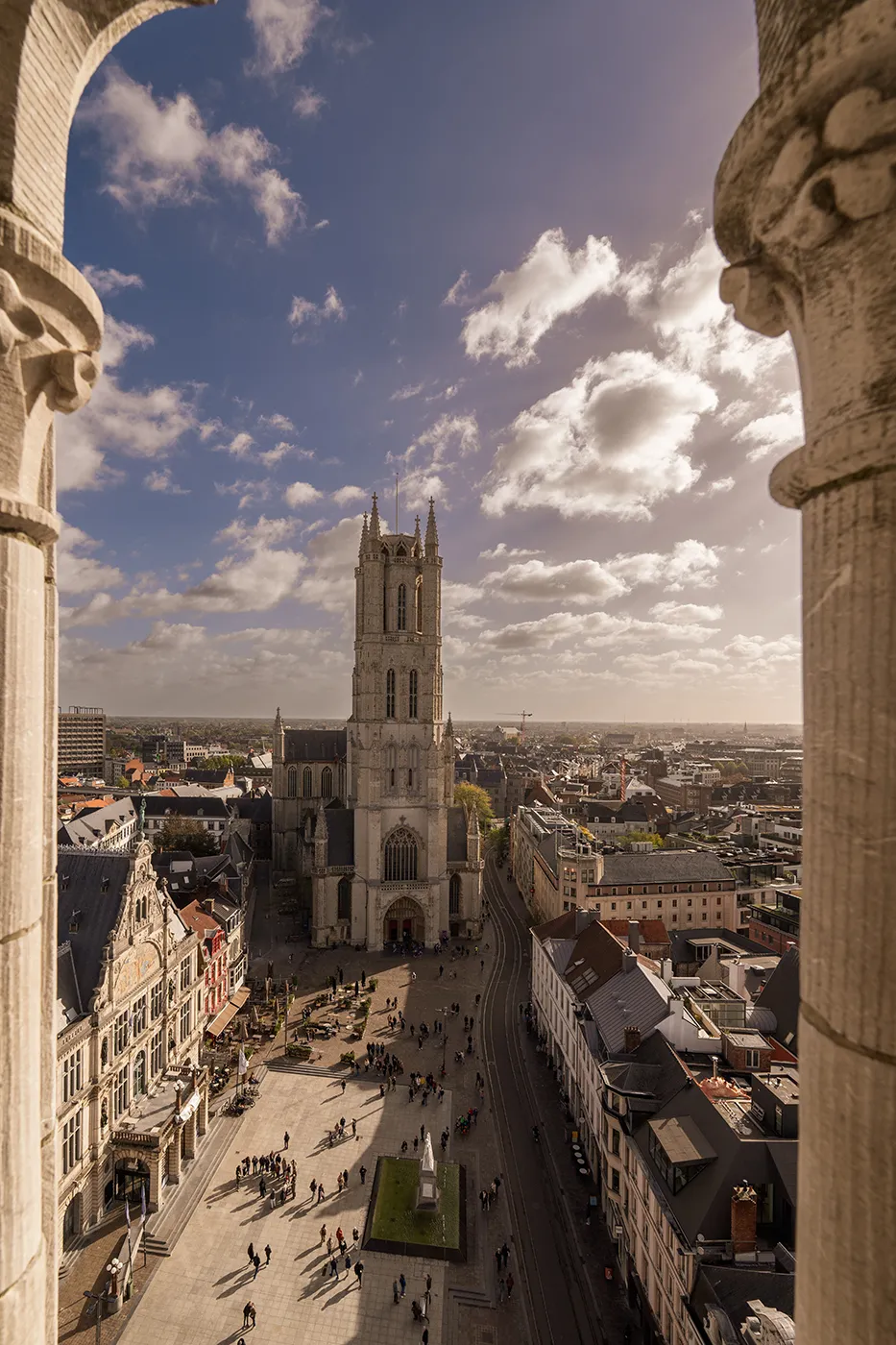
📸 The Design Musem
The top floor of the Design Museum offers a breathtaking view of the city. From there, you can see the rooftops and the main landmarks.
Where to stay in Ghent? Which neighborhood is best?
For your first visit, I recommend staying in or right near the historic district.
The Historic District: The Best Choice
This is the most convenient option if you’re visiting Ghent for two days. You can walk to most of the sights and easily make your way back to your hotel after an evening out in the city center.
Patershol: for the atmosphere
The Patershol neighborhood, located right next to the Counts’ Castle, is particularly charming. Its narrow cobblestone streets and medieval houses are now home to many restaurants, bars, and gourmet spots.
This is an excellent choice if you’re looking for a more intimate atmosphere and want to enjoy Ghent in the evening.
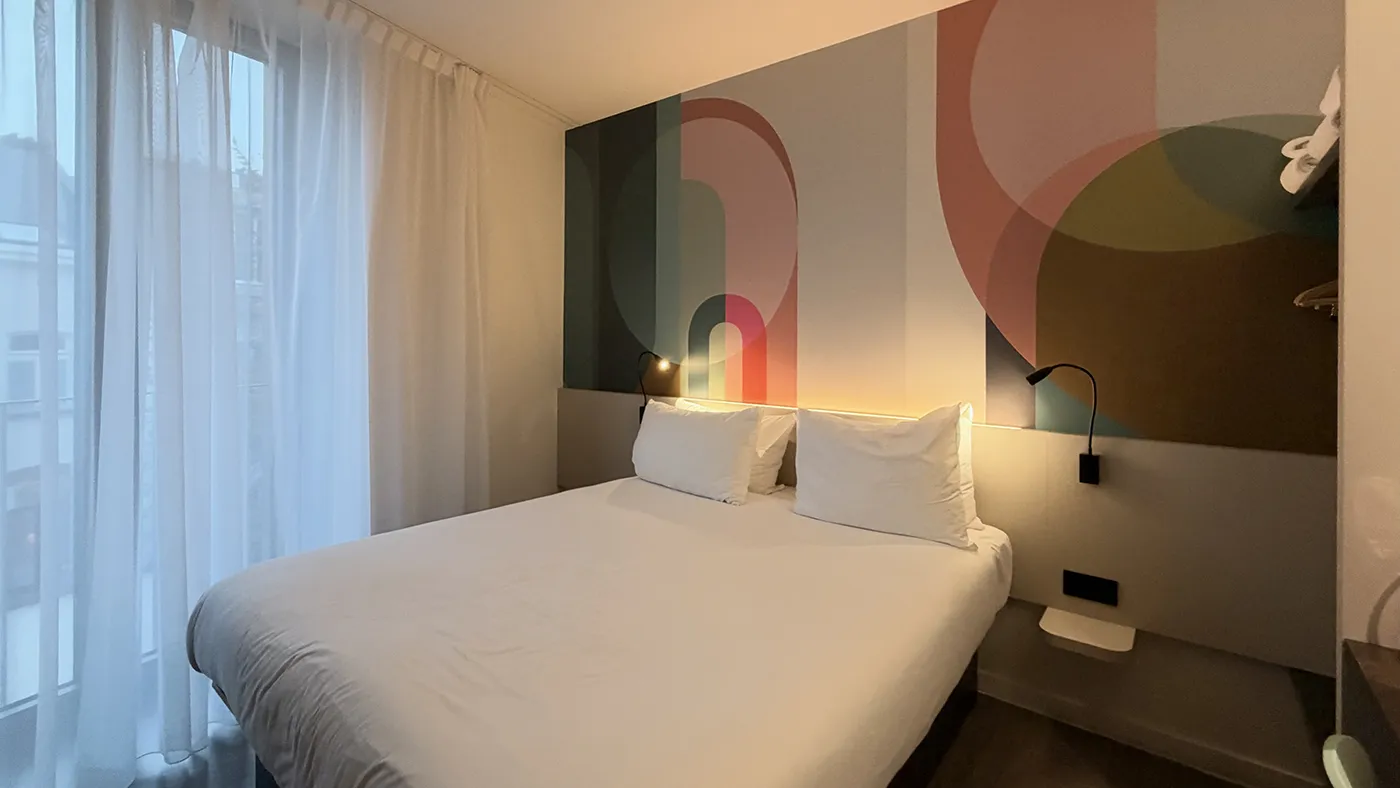
My recommendation: the B&B HOTEL Gent Centrum
Located in the historic center, just a stone’s throw from the cathedral and the Saint-Michel Bridge, it’s the perfect place to explore everything on foot.
This quiet hotel is easily accessible from the train station via the tram and offers a concierge service where you can leave your luggage on the day of your departure.
Find a hotel in Ghent
Enter your travel dates below to view a list of available hotels and their rates:
info*
This map contains affiliate links, which means I earn a commission if you book a hotel stay after clicking on one of these links. It doesn’t cost you any more, but it helps me grow Culturez-vous.
Where to Eat in Ghent? Top Picks
There’s no shortage of restaurants in Ghent! It’s a city that offers a wide variety of cuisines, including many vegetarian options. Here are a few places I highly recommend.
Knol&kool: a vegetarian and kid-friendly restaurant
Just a stone’s throw from the cathedral, this restaurant is a very welcoming spot where you can stop for lunch, brunch, or just a drink.
On the menu: excellent vegetarian dishes. And right next to the restaurant is Ghent’s first 100% plant-based convenience store.
Knol&kool is also a great place to visit if you’re traveling with children. For the little ones, high chairs and a playpen are available, while older children can enjoy a selection of board games.
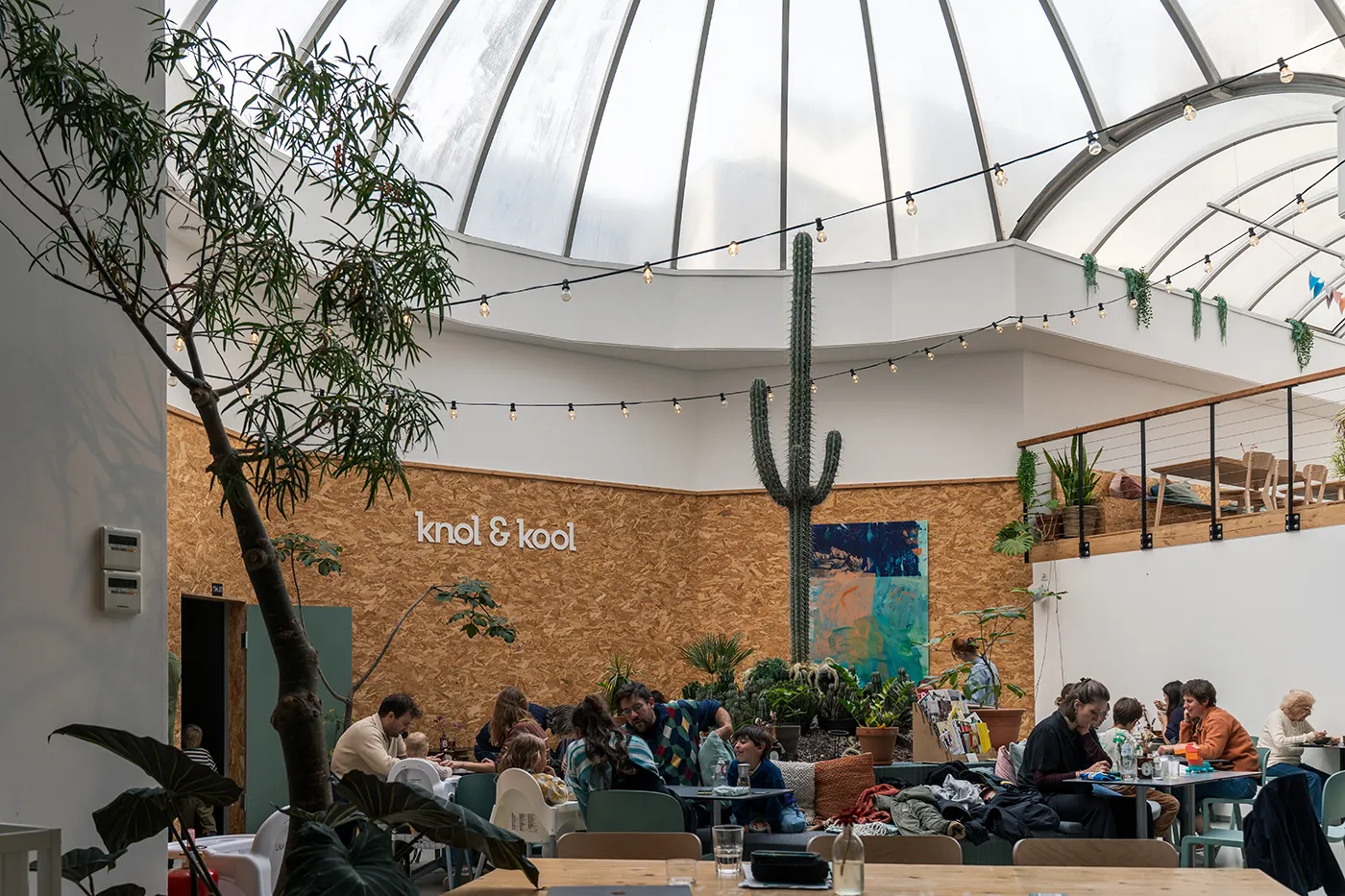
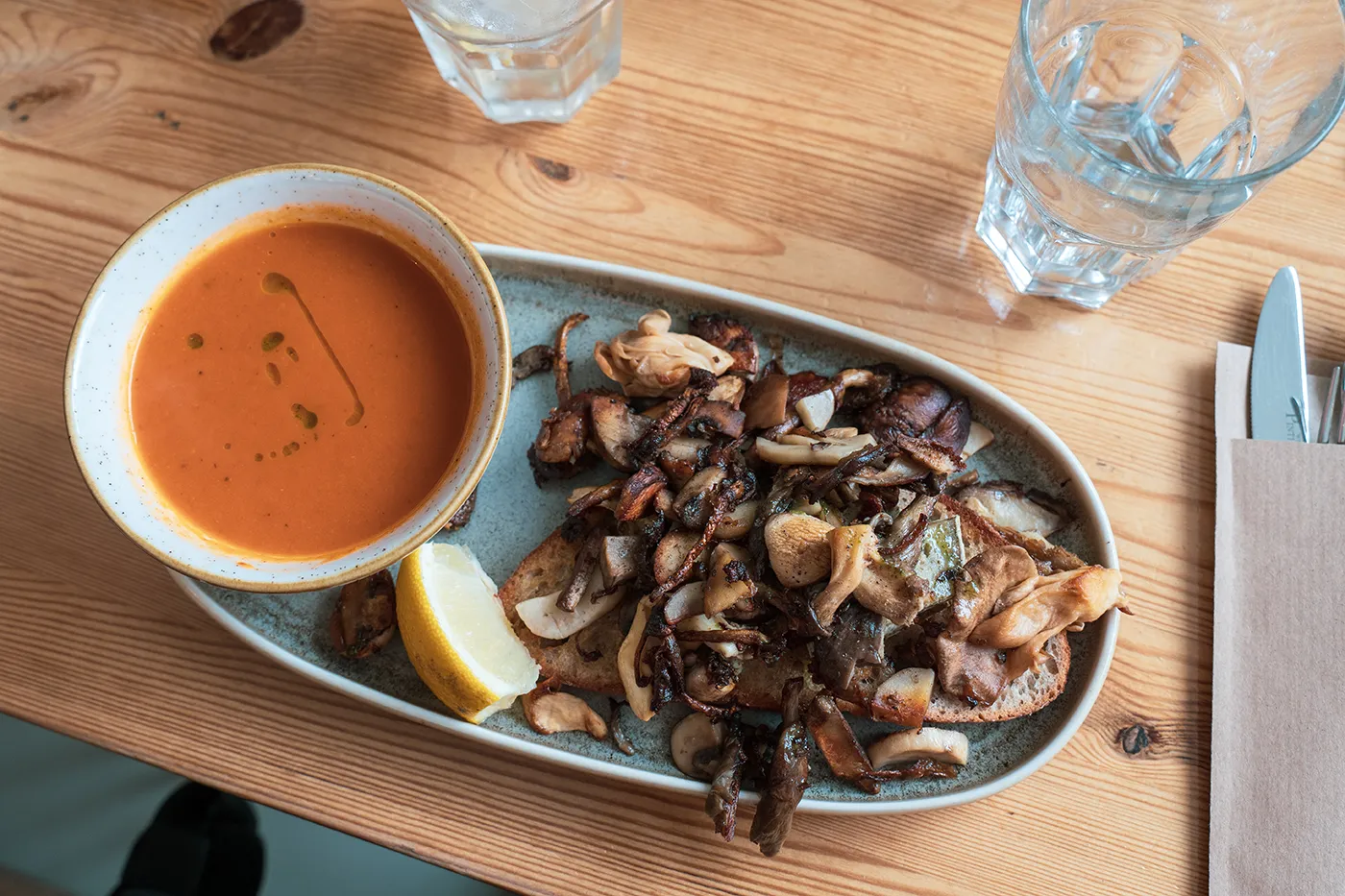
Address: Heilige-Geeststraat 30 Website: https://www.knolkool.com/
Le Botaniste: Vegetarian cuisine in a cozy setting
This unique spot looks almost more like a pharmacy than a restaurant. And for good reason: here, vegetarian cuisine is viewed as preventive medicine. In fact, the menu is called “prescription”!
On the menu: build-your-own bowls and soups. They’re full of spices and flavors—a real treat.
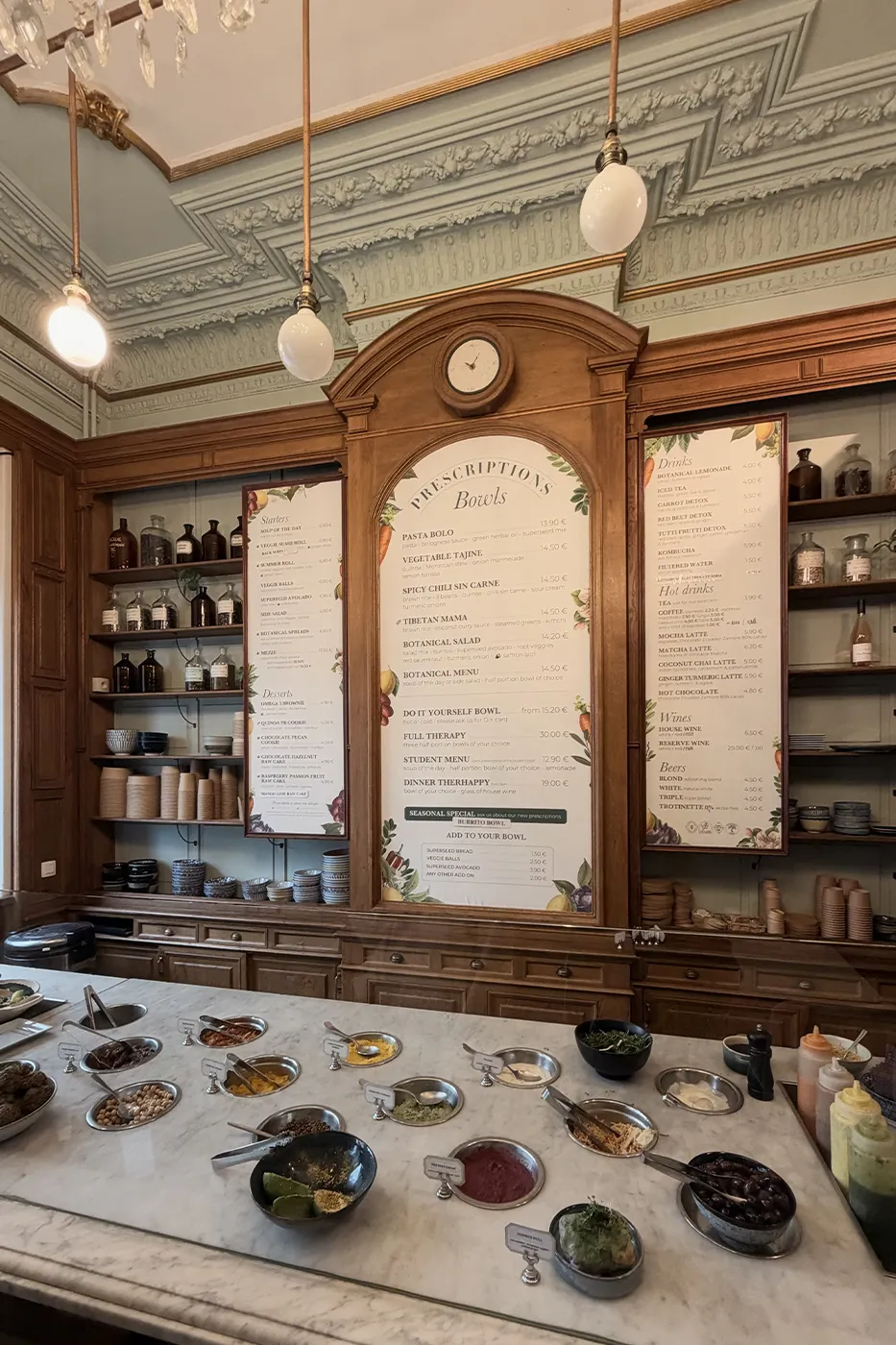
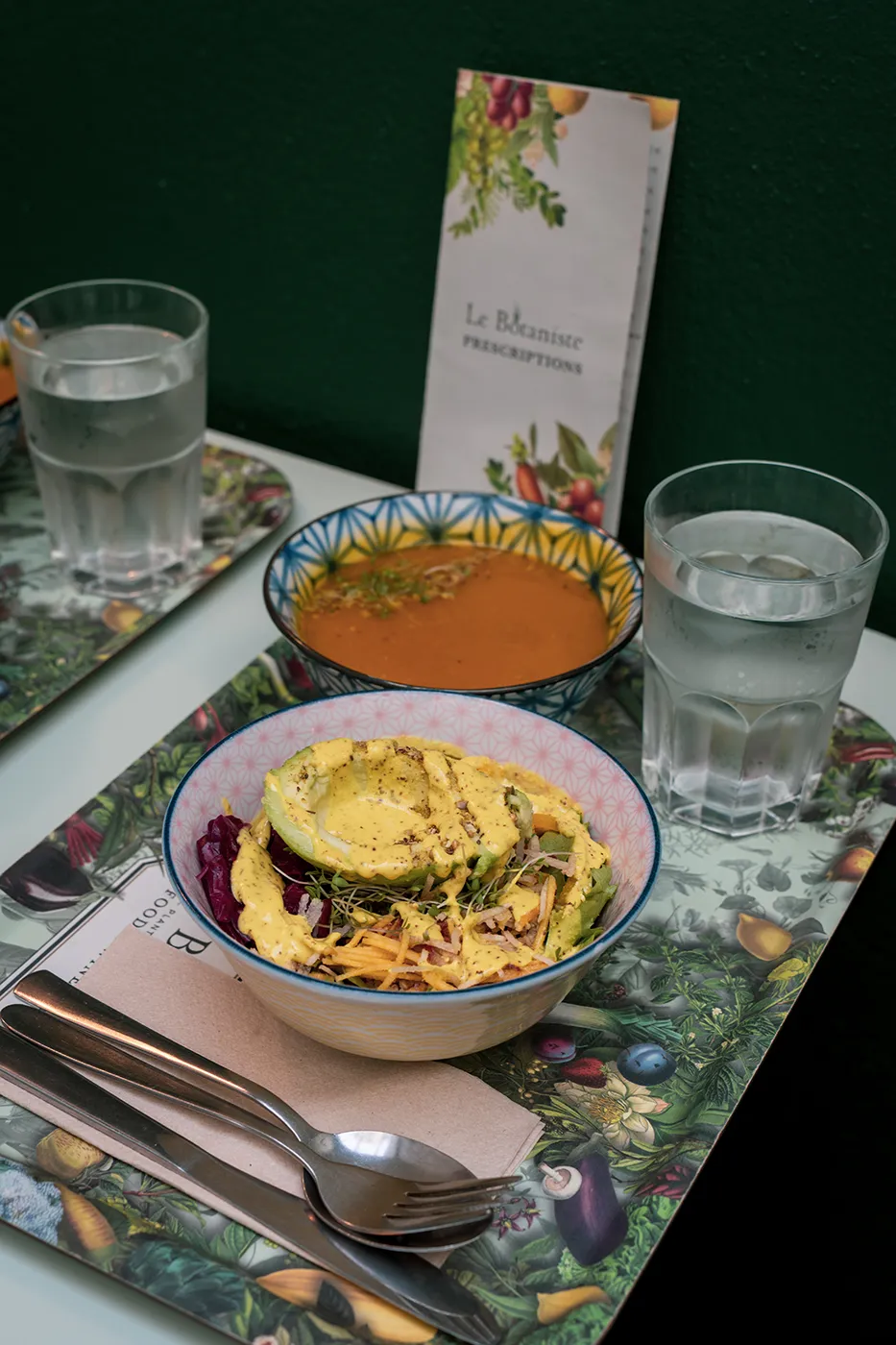
Address: Hoornstraat 13 Website: https://lebotaniste.eu/
Beiruti: A Lebanese Restaurant
This spot combines three restaurants in one, offering street food, a takeout option, and a sit-down dining experience.
Mezze dishes make it possible to share a convivial meal featuring traditional cuisine.
Address: Voldersstraat 13 Website: https://beiruti.eu/
A map of top spots in Ghent
Find all the locations mentioned in this article on this interactive map of Ghent:
tip*
Use the menu on the left to filter addresses by category.
The CityCard Gent: Is It Really Worth It?
If you plan to make several visits, the CityCard Gent can quickly become a good deal.
It is currently available in two versions:
- 48 hours: €49
- 72 hours: €55
It provides free admission to many monuments, museums, and attractions, including the Château des Comtes, the belfry, and the Museum of Fine Arts.
And that’s not all: the card also includes public transportation for the duration of its validity, a one-day bike rental, and a guided boat tour.
It also offers discounts on certain tours, including a €10 discount on “The Mystical Lamb”.
Should I buy the Gent Citycard?
Yes, if you plan to visit several museums and monuments that charge admission. For a two-day trip that includes the Castle of the Counts, the Belfry, the MSK, a boat ride, and *The Mystical Lamb*, it can be a particularly good deal.
On the other hand, if you mainly want to walk around downtown and visit free attractions, it won’t be as cost-effective.
Please note: The card can be purchased at various locations in Ghent, including the tourist office, participating museums and attractions, and certain hotels.
What souvenirs should you bring back from Ghent?
Want to bring a little piece of Ghent home with you? Since Belgium is famous for its gourmet specialties, it’s hard to leave without picking up a few treats! Cuberdons—those little purple, cone-shaped candies traditionally flavored with raspberry—are a local specialty you’ll want to try.
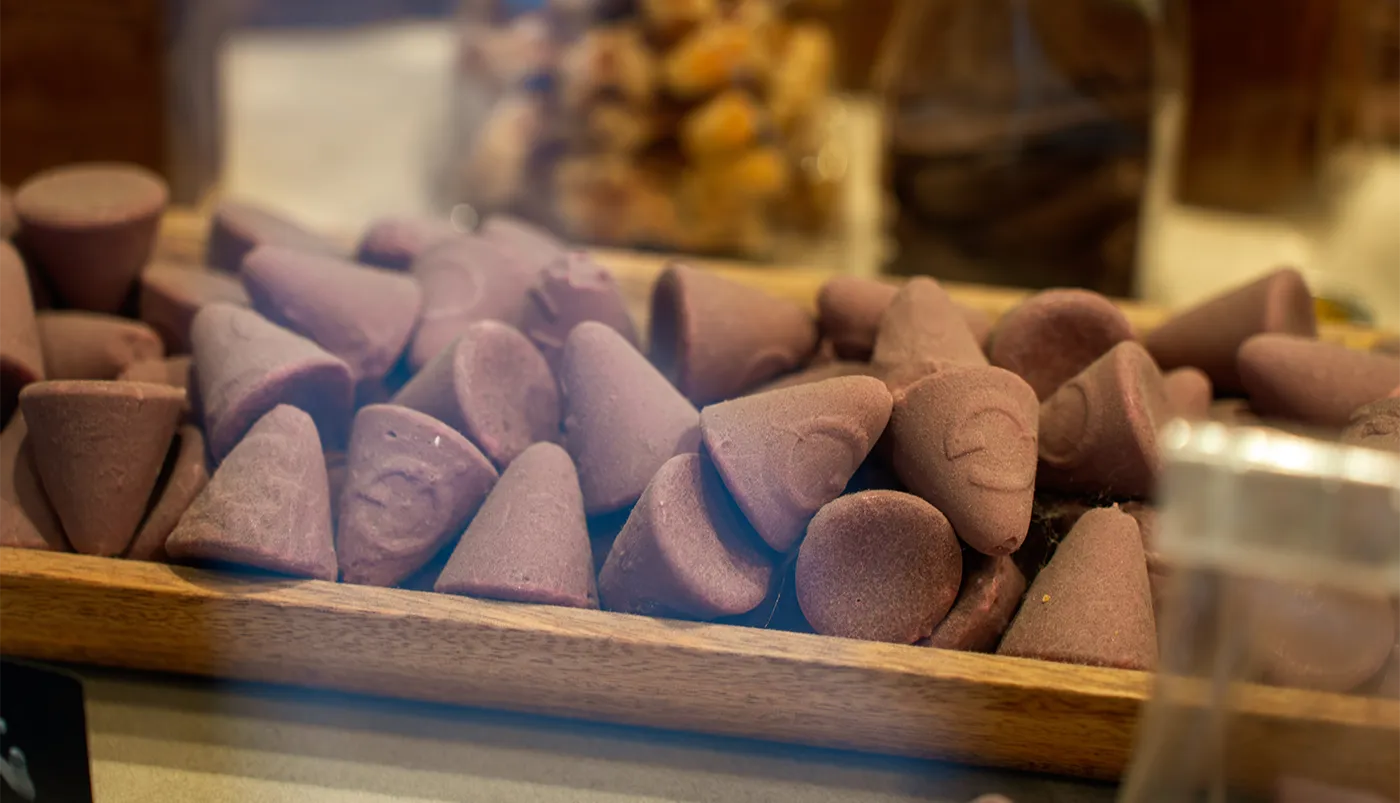
You can also bring back some Belgian chocolate, speculoos, or a few craft beers brewed in the region.
For a more unique souvenir, consider items from local designer shops, illustrated posters featuring Ghent’s landmarks, or objects inspired by the Mystical Lamb and the city’s medieval heritage.
Find your next destination!
Where will your next trip take you? More than 100 guides are available for free on Culturez-vous. Browse through them to find your next getaway:
Tried to Geocode:
Error Type:
Please be sure to follow the tutorial on how to setup the Google APIs required for the Advanced Google Map Widget.
Google Map API Key TutorialFAQ: Everything You Need to Know Before Visiting Ghent
What to Do in Ghent in One Day?
If you only have one day, focus on the historic center: Graslei and Korenlei, St. Michael’s Bridge, St. Bavo’s Cathedral and *The Mystical Lamb*, the belfry, the Counts’ Castle, and Graffiti Street. A boat tour also offers a good overview of the city.
What to Do in Ghent in 2 Days?
Two days will give you plenty of time to explore Ghent at a more leisurely pace. Spend the first day exploring the historic center and the main landmarks, then use the second day to visit the MSK, take a boat ride, and explore the neighborhoods farther from the historic center.
What are the must-do activities in Ghent?
The top must-do activities in Ghent include exploring the historic center, visiting St. Bavo’s Cathedral and seeing *The Mystical Lamb*, climbing the belfry, taking a boat ride, visiting the Castle of the Counts, the Museum of Fine Arts, and the graffiti street.
Is Ghent more interesting than Bruges?
The two cities are very different. Bruges is probably more architecturally uniform and spectacular, while Ghent is livelier and has a large student population, a vibrant cultural scene, and more diversity in its neighborhoods. For a weekend trip, both are well worth a visit.
Can you explore Ghent on foot?
Yes! The historic center is compact and very easy to explore on foot. It’s actually one of the best ways to discover the city, especially the Graslei, Korenlei, Patershol, and the narrow streets of the center.
When is the best time to visit Ghent?
Spring and early fall are particularly pleasant. Summer is the perfect time to enjoy the outdoor cafes and boat rides, while winter offers a particularly charming atmosphere when the city is all lit up.
How much does a trip to Ghent cost?
Your budget depends mainly on accommodations. For a comfortable trip, plan on spending about 70 to 120 € per person per day, not including accommodations and transportation. The main attractions that charge an admission fee generally cost between 7 and 15 €.
Is the CityCard Gent worth it?
It can be a great deal if you’re visiting several monuments and museums. It currently costs €49 for 48 hours or €55 for 72 hours and includes, among other things, the Château des Comtes, the belfry, the MSK, public transportation, a boat ride, and one day of bike rental.
What are some free things to see in Ghent?
Several must-see attractions are free: a stroll through the historic center, the Graslei and Korenlei quays, St. Michael’s Bridge, Graffiti Street, and the entrance to St. Bavo’s Cathedral.
Is Ghent a good place for a family trip?
Yes. The city center is easy to explore on foot; the Château des Comtes is especially spectacular for children, and several museums offer family-friendly tours. The city is also well-served by public transportation.