The Paul Valéry Museum in Sète is dedicating a major exhibition to one of its most famous sons: Jean Vilar. But rather than a simple tribute to the founder of the Avignon Festival and the Théâtre National Populaire, The Colors of Jean Vilar offers a fascinating exploration of an often-overlooked aspect of his work: his special relationship with the painters who helped transform French theatrical aesthetics in the aftermath of World War II.
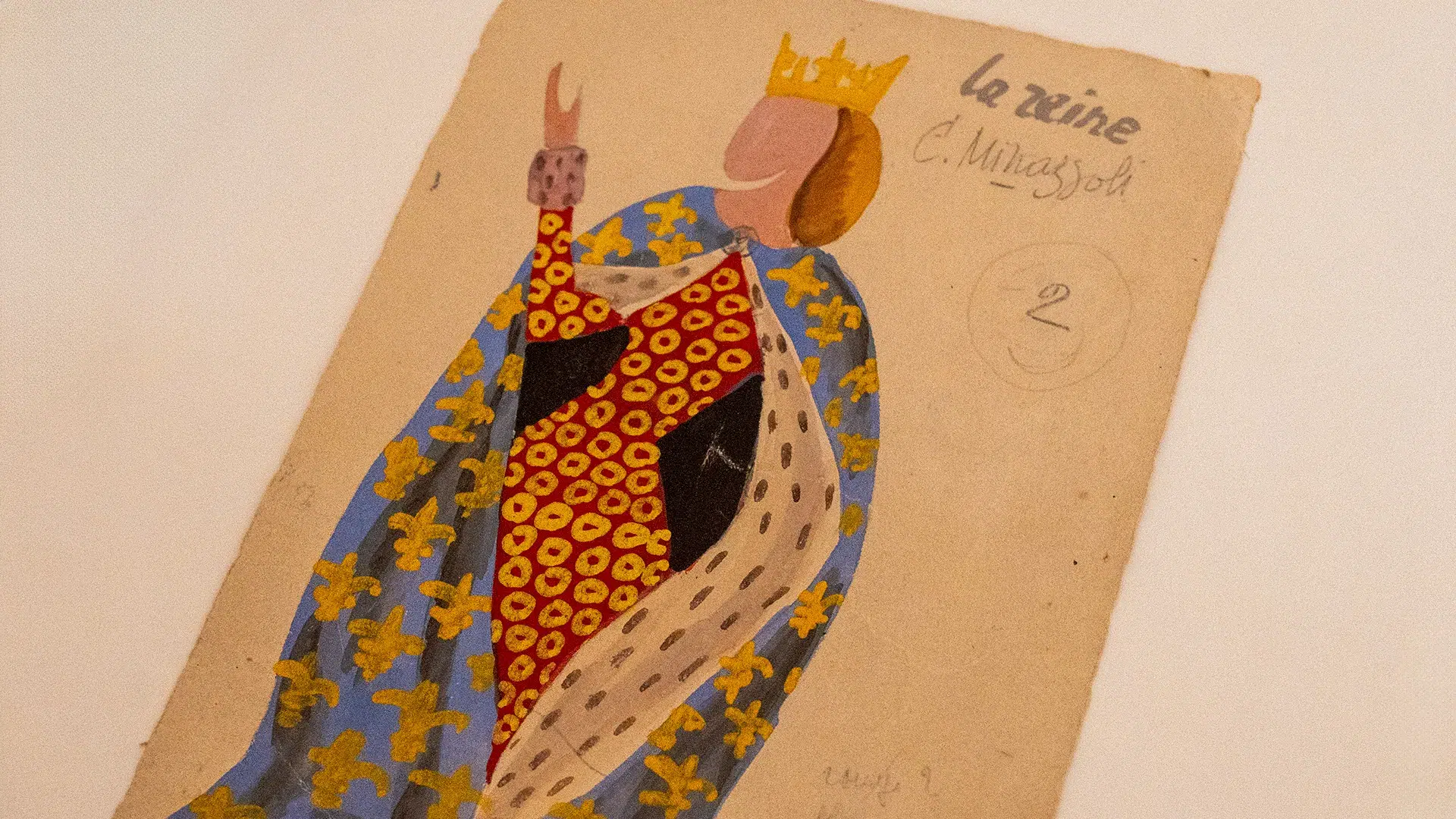
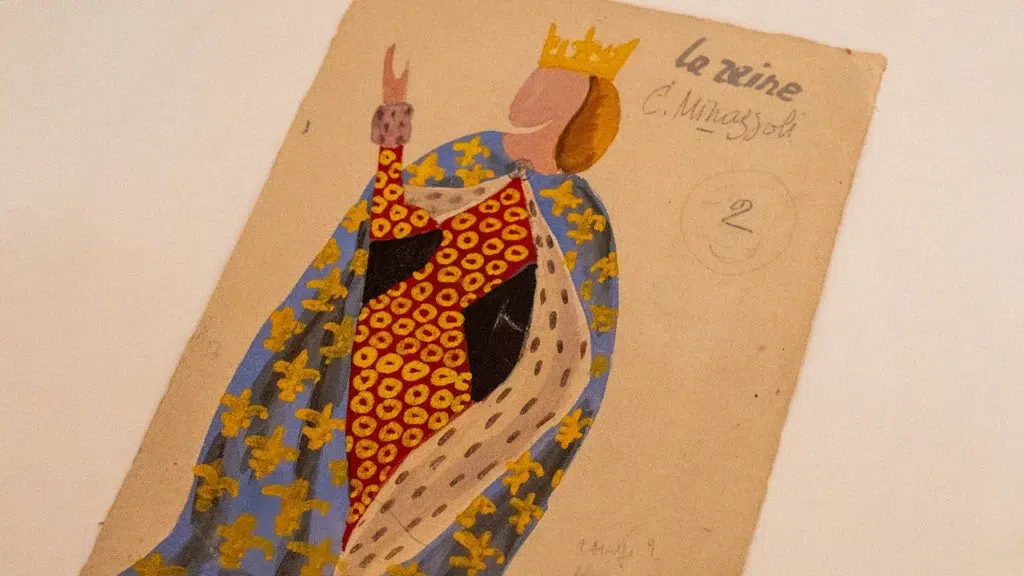
Through nearly 40 paintings, about 100 graphic works, costume designs, set designs, tapestries, and numerous period documents, the exhibition reveals how Jean Vilar brought painting onto the stage—not merely as a backdrop, but as a true artistic language. A fascinating exploration that offers a fresh perspective on the history of theater, painting, and the Avignon Festival.
Jean Vilar, the man who wanted to revolutionize theater
When we think of Jean Vilar (1912–1971), we immediately think of the Avignon Festival, which he founded in 1947, or the Théâtre National Populaire (TNP), which he directed beginning in 1951. His ambition at the time was immense: to make theater accessible to everyone and to turn it into a true public cultural service.
But Vilar was not content merely to change the conditions of access to theater. He also sought to renew its aesthetic. To that end, he surrounded himself with artists from what is now known as the New School of Paris: painters, illustrators, and tapestry designers became his collaborators.
The exhibition shows how these collaborations profoundly changed the way the stage was conceived. For Vilar, the set no longer sought to faithfully reproduce reality: props became scarce, sets grew more abstract, and color took on new significance. It no longer served merely to embellish the performance; it became an integral part of the storytelling and the emotional impact.
A Generation of Painters at the Heart of the Adventure
The story begins in the 1940s, when Jean Vilar met several artists who would have a lasting impact on his career. Many of them participated together in group exhibitions and hoped to rebuild a modern French art scene after the war years.
Influenced by Cubism, Henri Matisse, and certain Surrealist experiments, these artists share a common desire to invent new forms. This drive for innovation echoes Vilar’s ambitions for the theater.
The exhibition thus offers visitors the opportunity to discover these painters’ personal works while showing how their artistic explorations are subsequently reflected in the costumes, sets, and stage designs created for the performances.
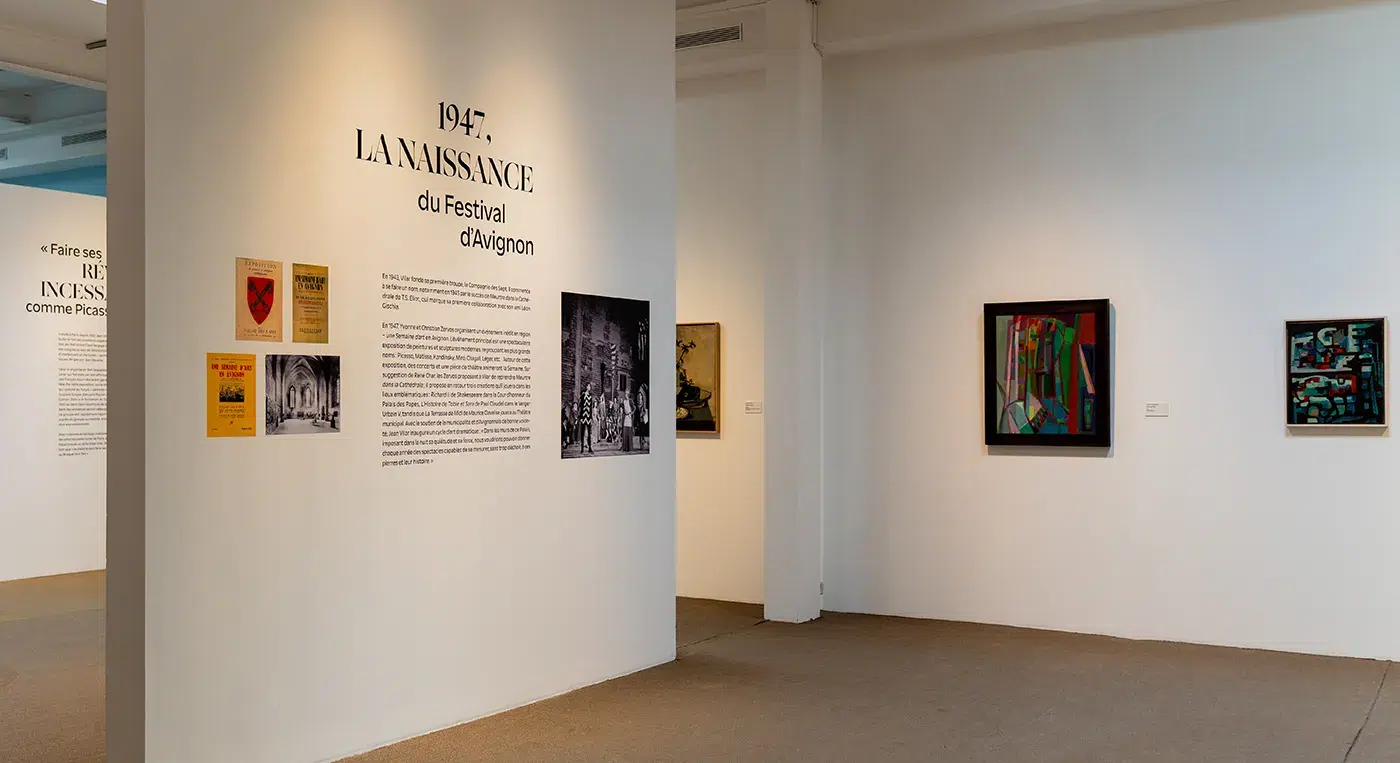
Léon Gischia, the Visual Architect of the Avignon Festival
Among all the artists featured, Léon Gischia plays a central role. His meeting with Jean Vilar in 1941 marked the beginning of a collaboration that lasted nearly twenty years.
Much more than just a set designer, Gischia became a true artistic advisor. It was he who encouraged Vilar to abandon realistic sets and superfluous props in favor of minimalist spaces where just a few elements were enough to suggest a location or an atmosphere.
In this deliberately minimalist world, colors take on paramount importance. The costumes become moving splashes of color that structure the stage space and guide the audience’s gaze. This aesthetic, which originally arose from the budgetary constraints of the early editions of the Avignon Festival, gradually evolved into a full-fledged artistic theory.
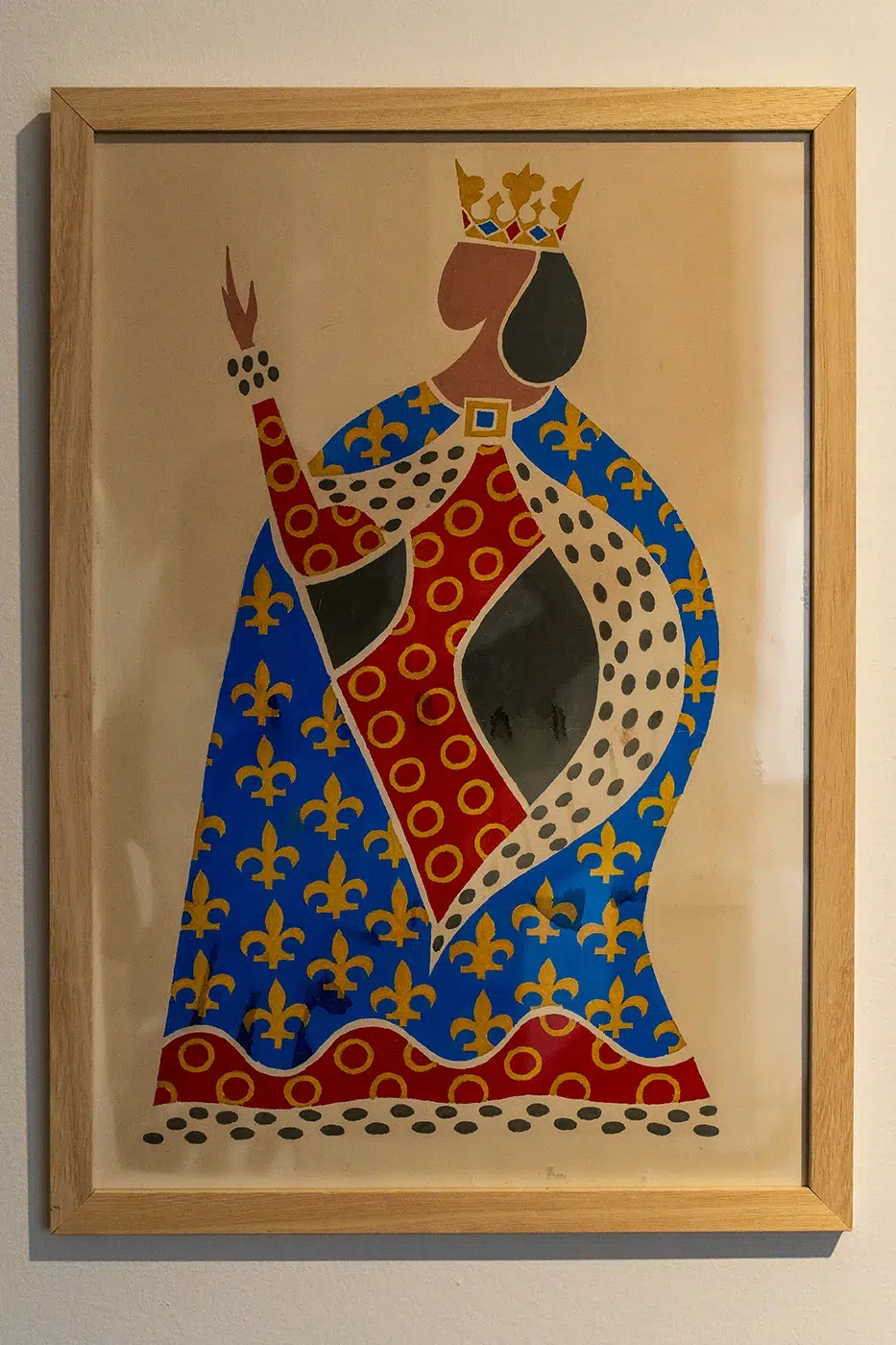
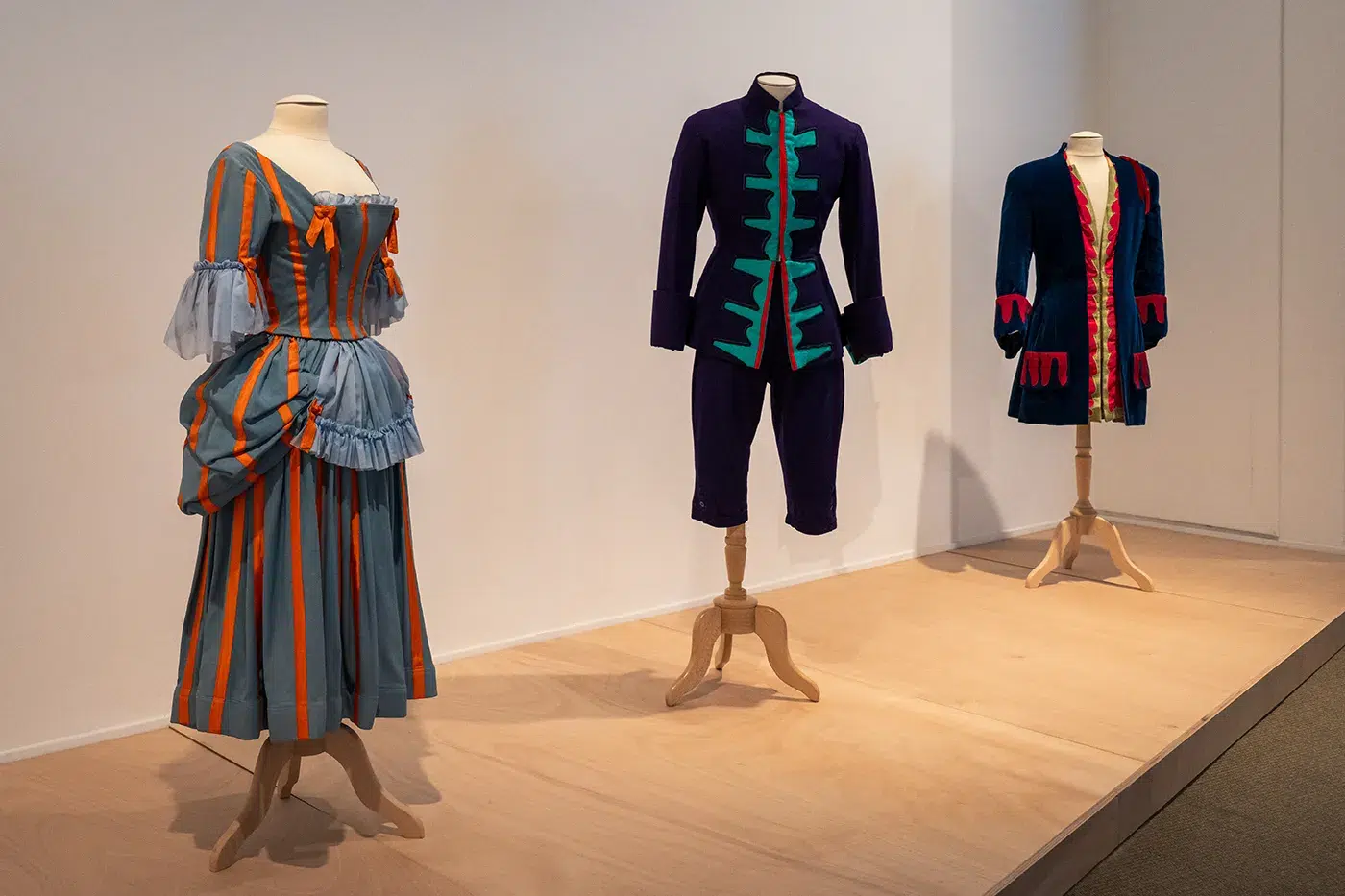
The exhibition thus features several sketches and costumes that help visitors understand how this visual revolution helped shape the identity of the Avignon Festival and the TNP.
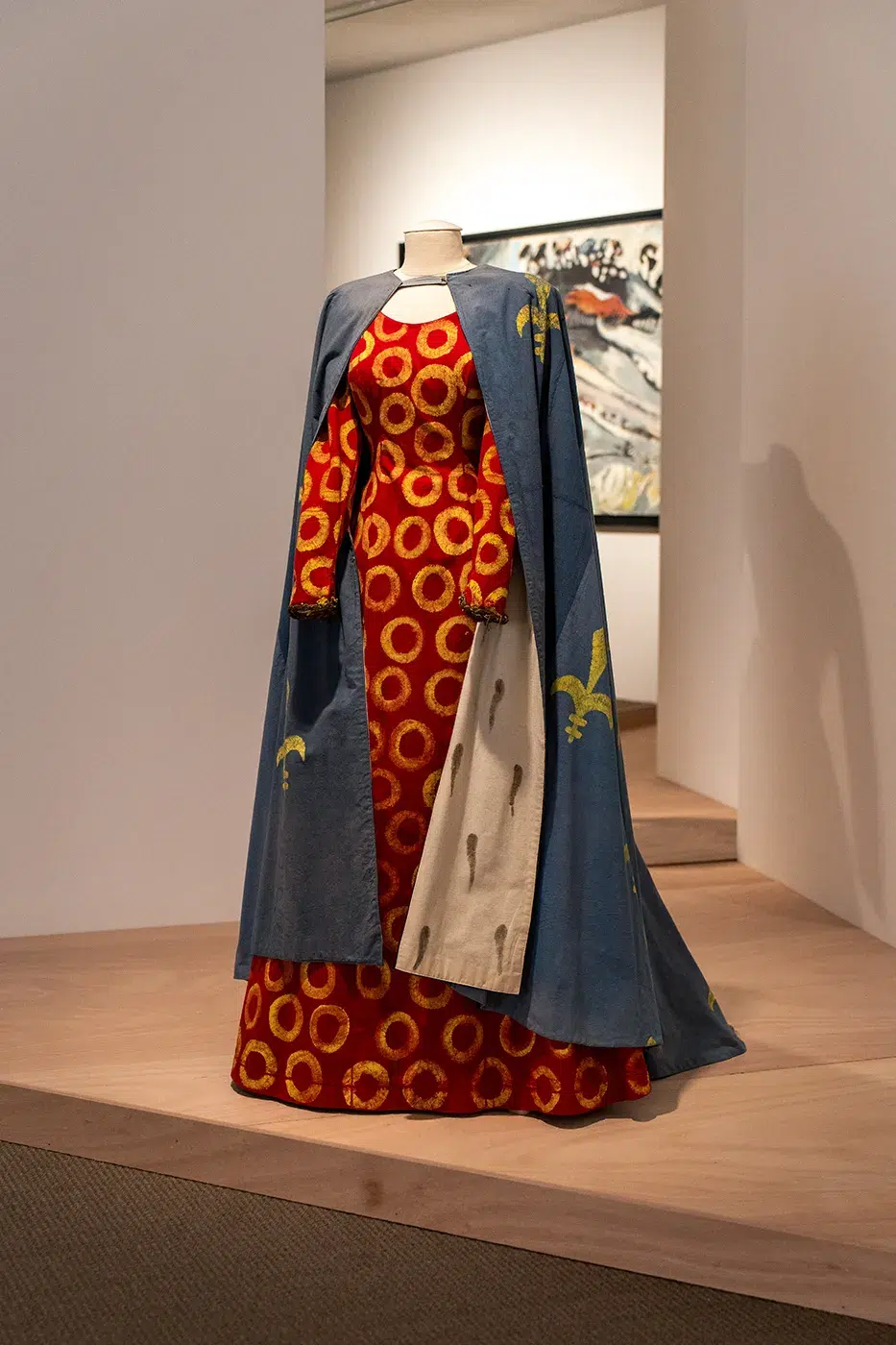
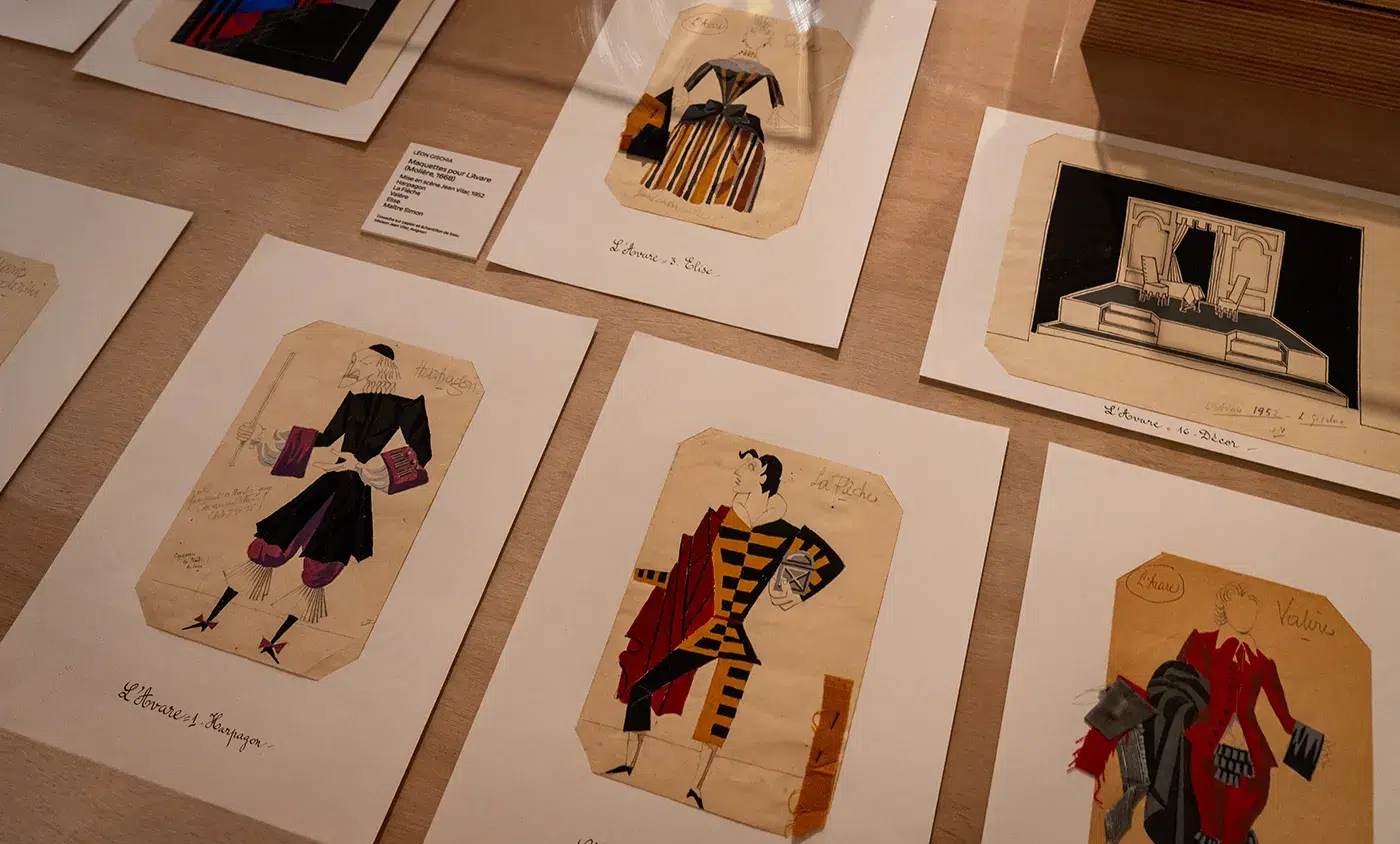
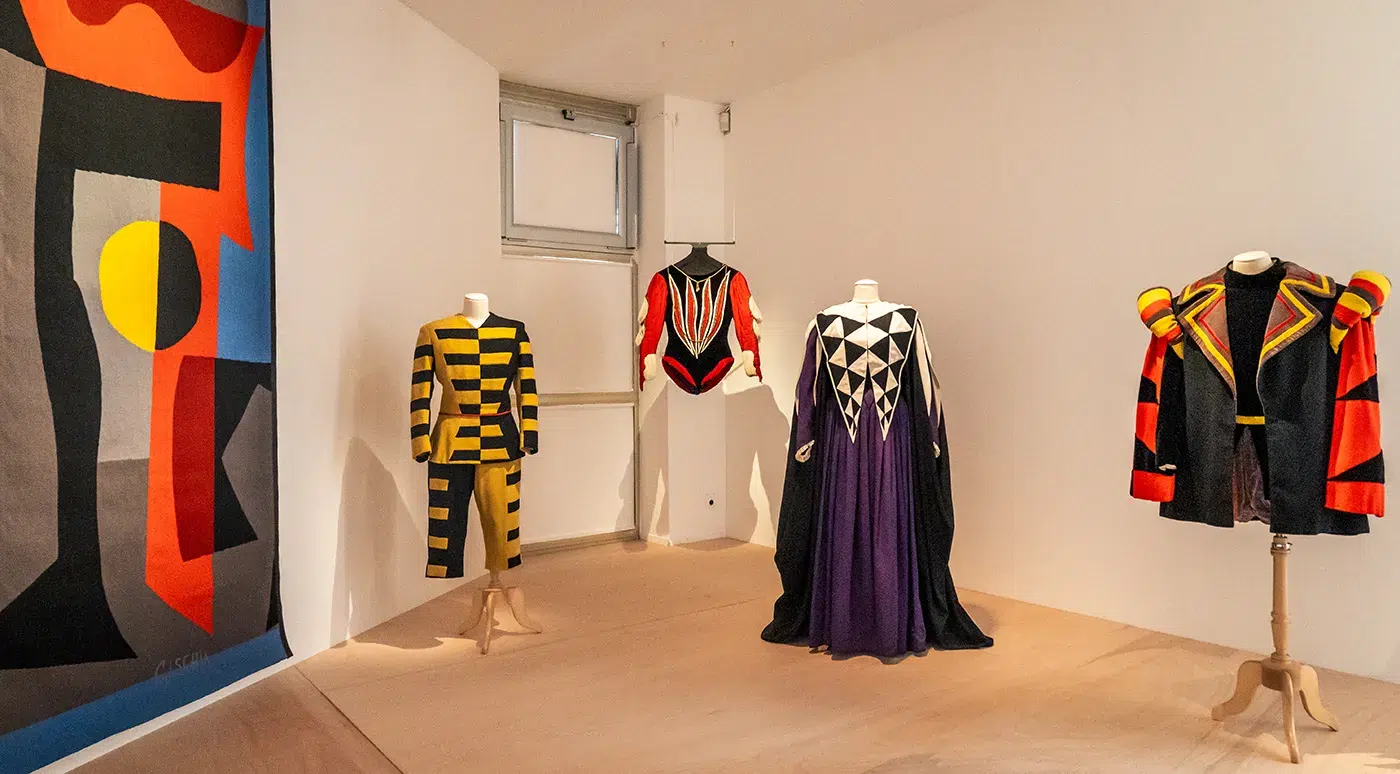
When Painting Takes Center Stage
One of the exhibition’s main attractions is the diversity of the artists featured. Each brings their own unique world and vision of color.
Édouard Pignon, a close associate of Picasso, developed an expressionist style characterized by vivid and sometimes aggressive colors. His set designs for Mother Courage and Love Is No Joke are striking for their visual power.
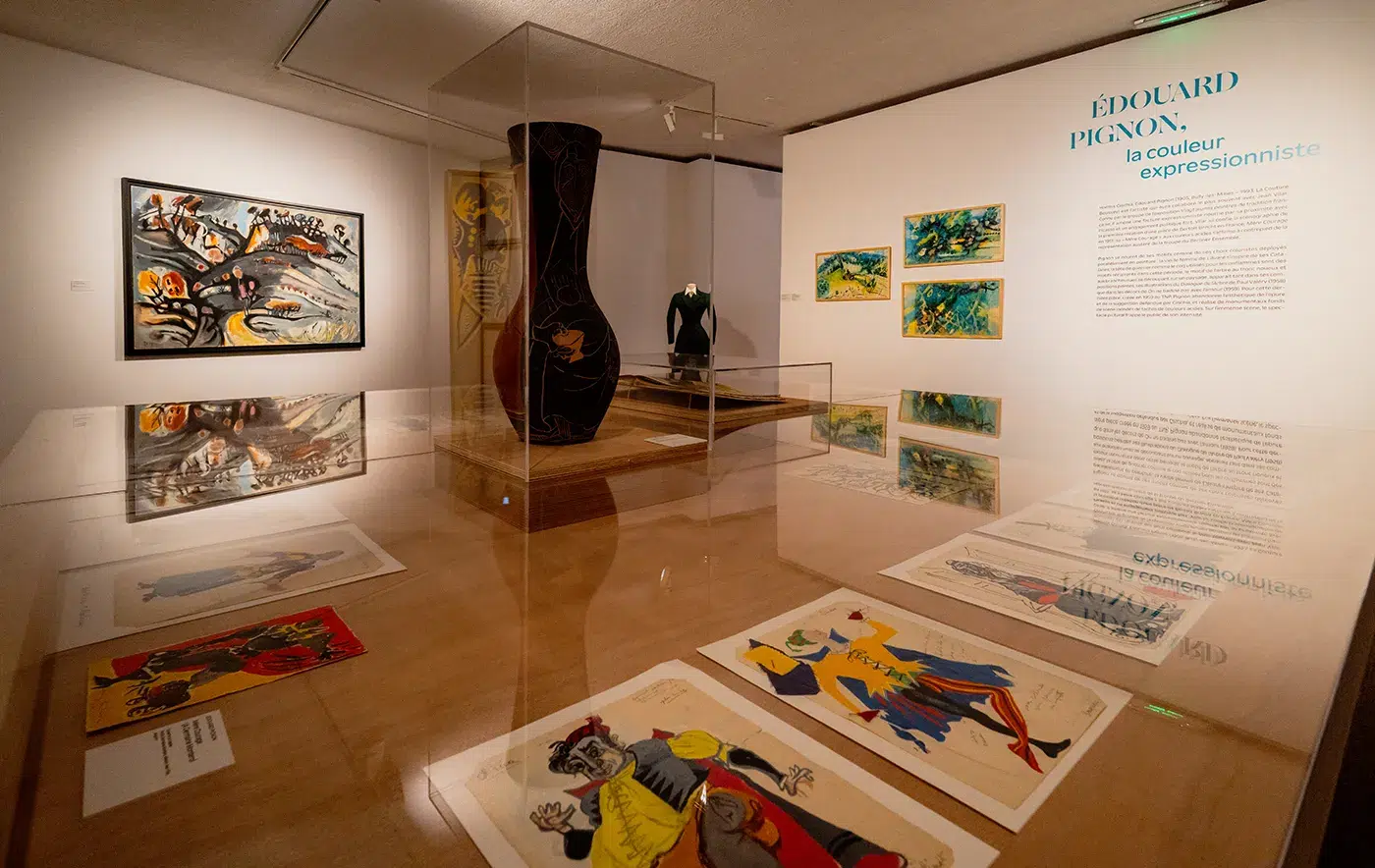
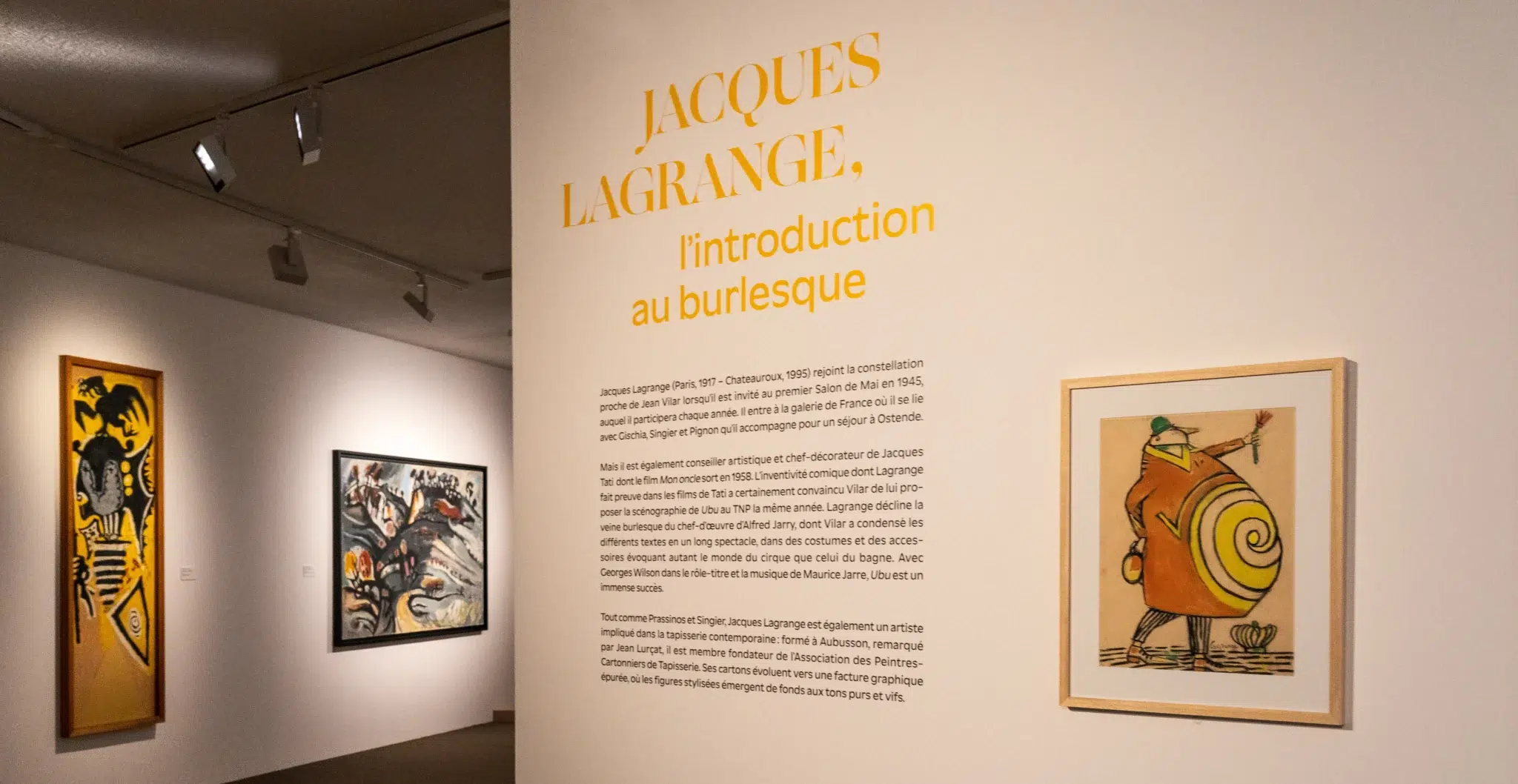
Jacques Lagrange, for his part, brings a more burlesque element to the mix. Known for his work with Jacques Tati, he designed the sets and costumes for Ubu in 1958, in which humor and fantasy are expressed through stylized forms and vibrant colors.
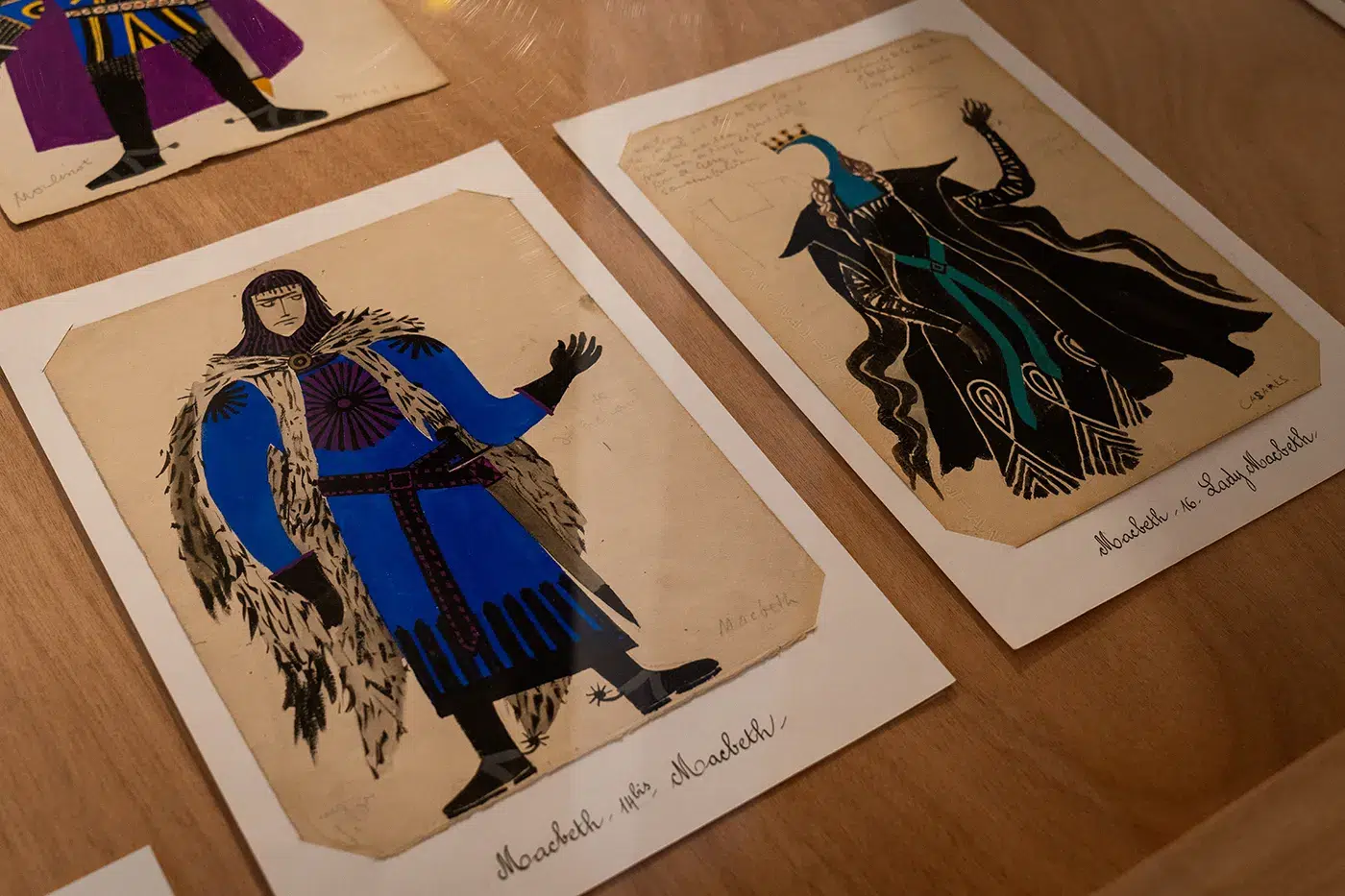
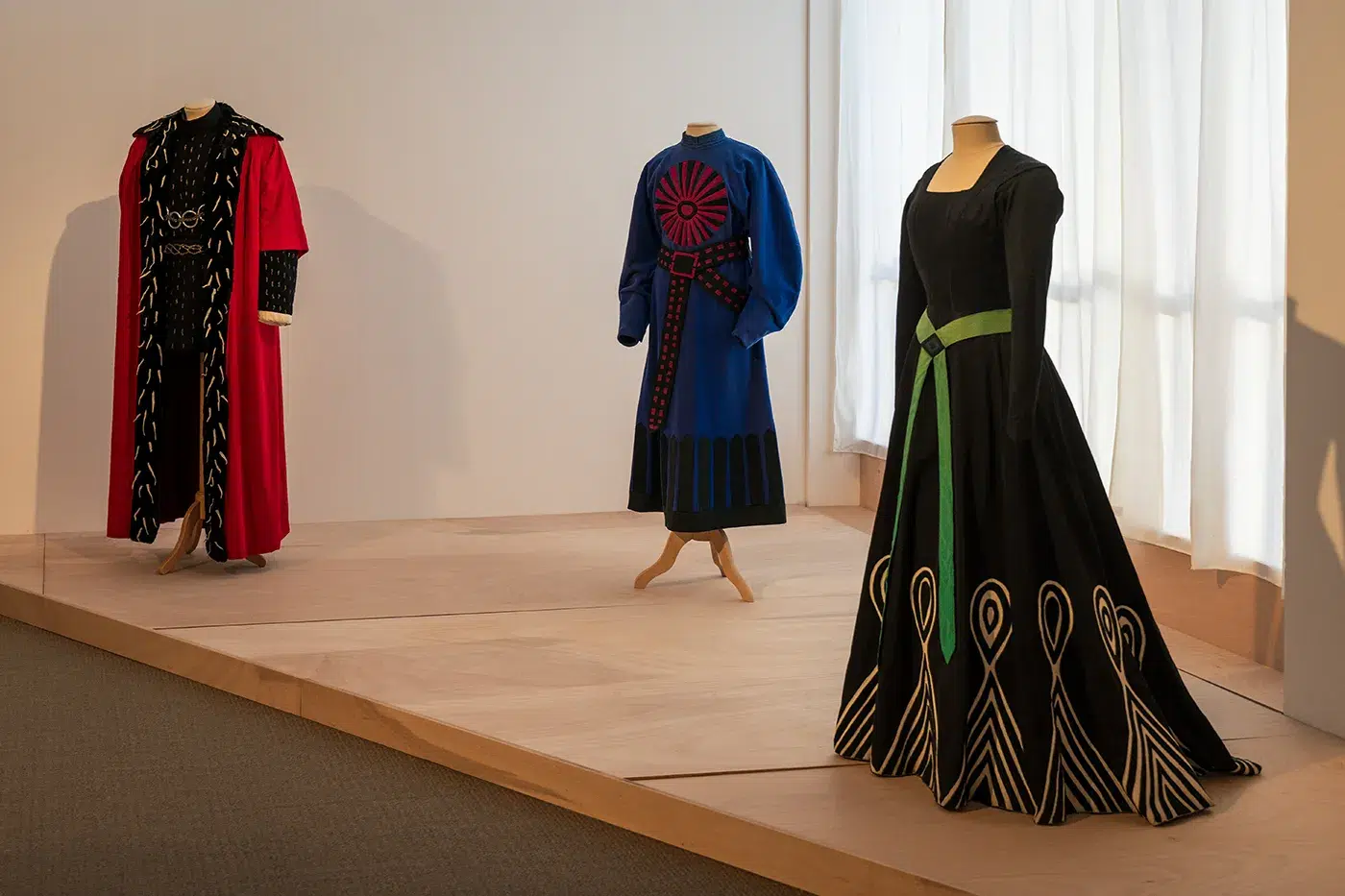
With Mario Prassinos, we are drawn into a darker, fantastical world. The artist has developed a visual language populated by strange figures, unsettling creatures, and theatrical silhouettes that seem to have stepped out of a dream or a nightmare. His costumes for Macbeth are among the most spectacular works in the exhibition.
Color as Emotion
The exhibition also shows how certain artists have used color as a true emotional language.
In the work of Gustave Singier, color takes on an almost musical quality. His artistic explorations directly inform his work for the theater, where color harmonies convey the characters’ emotions without the need for realistic sets.
Alfred Manessier takes a different, more spiritual approach. In Bertolt Brecht’s The Life of Galileo, he plays on the contrasts between light and darkness, day and night, and science and religious dogma.
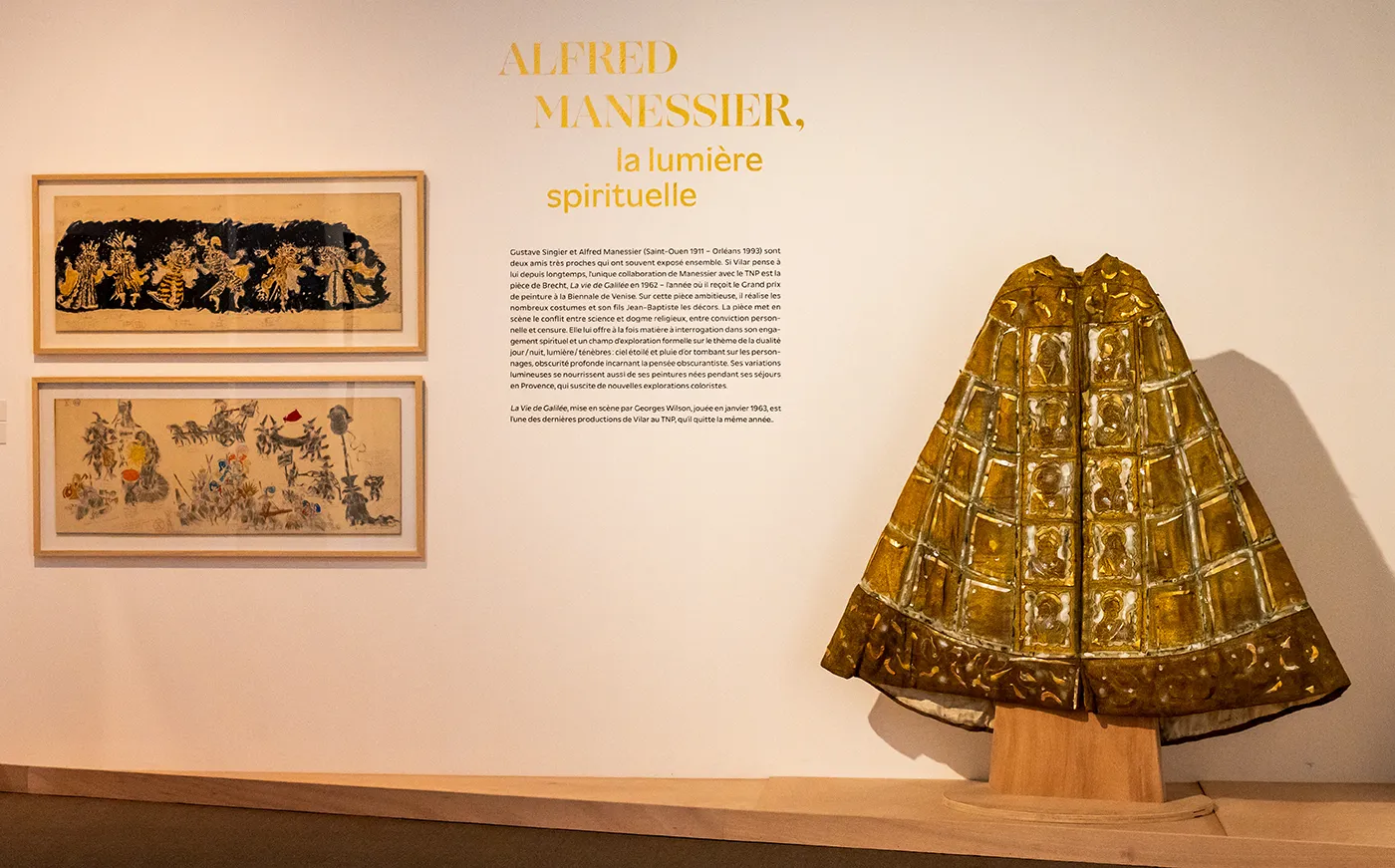
Through these various approaches, the exhibition reveals just how blurred the boundaries between painting and theater were in the 1950s and 1960s.
The banners of the Avignon Festival: a signature that has become legendary
It is impossible to discuss Jean Vilar’s visual world without mentioning the famous banners of the Avignon Festival.
Inspired by the banners of the Italian Palio that Vilar and Gischia discovered during a trip to Italy, they initially appeared as decorative elements before becoming a symbol of the festival itself. In 1961, Vilar even asked several artists who had worked with him to create their own banners. Suspended in the air, they became a veritable open-air gallery and contributed to the visual identity of the Avignon Festival.
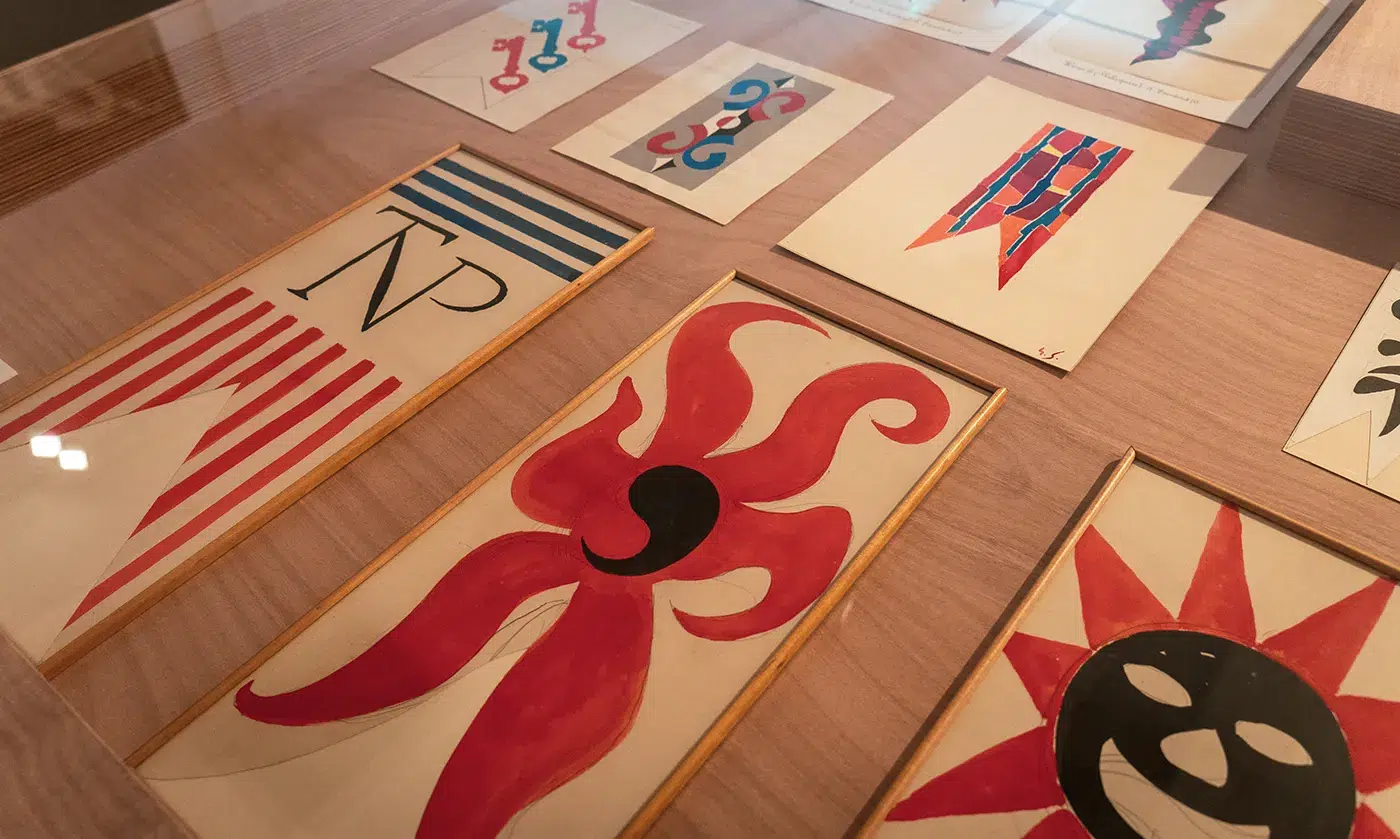
Another way to learn about Jean Vilar and his connection to the collections at the Paul Valéry Museum
Beyond the history of theater, Les couleurs de Jean Vilar also tells a human story. It is the story of a man who was convinced that the arts should engage in dialogue with one another and that painters had a rightful place on the theater stage.
By bringing together paintings, costumes, models, tapestries, and archival materials, the Paul Valéry Museum sheds light on an essential yet often overlooked aspect of Jean Vilar’s career. The exhibition thus offers insight into how the collaboration between a visionary theater director and several of the great artists of his time helped bring about a lasting renewal of the French cultural landscape.
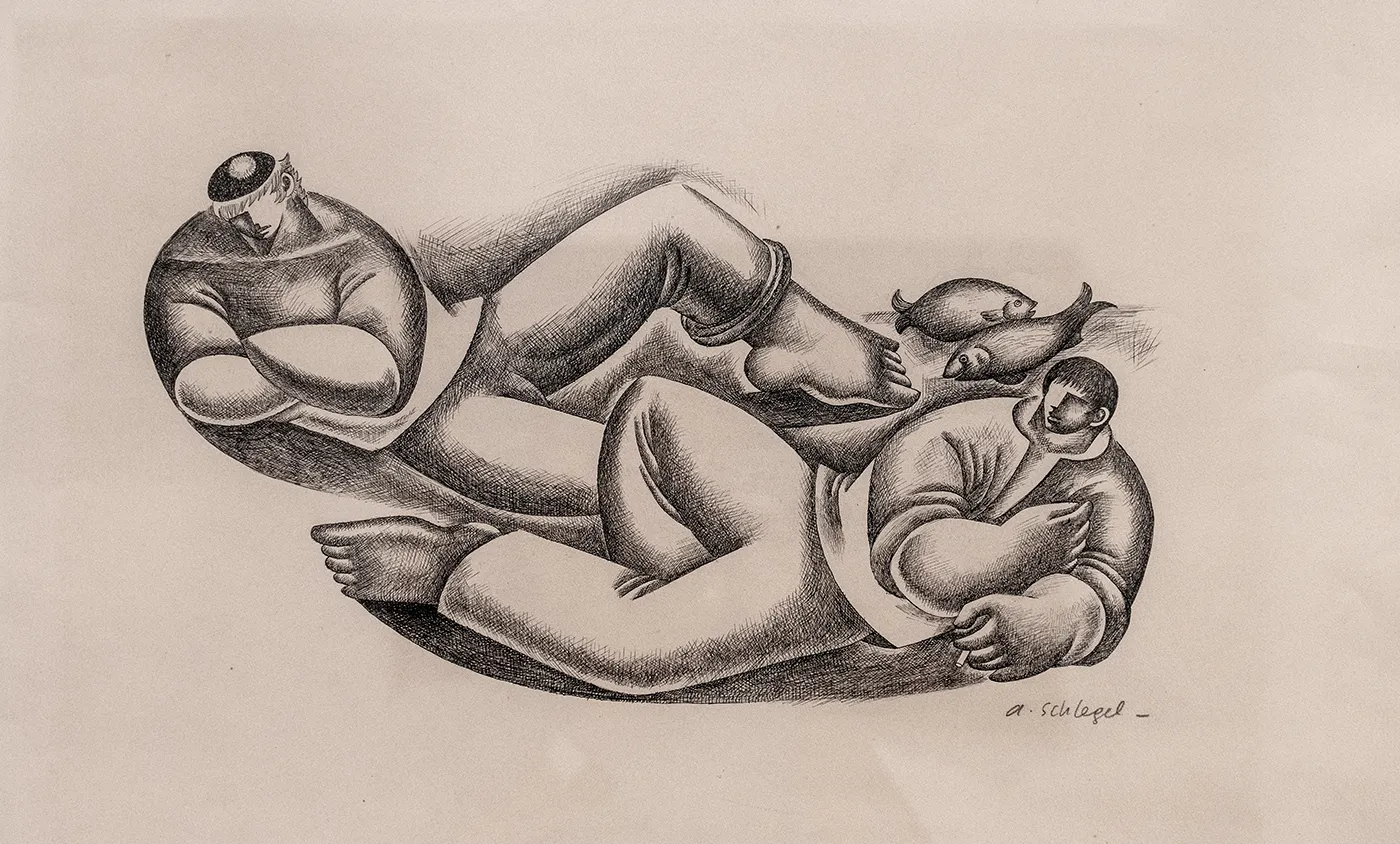
The exhibition also concludes by drawing on the museum’s collections. Jean Vilar’s inner circle is particularly well represented in the Paul Valéry Museum’s collection, starting with his wife, Andrée Schlegel—who was an artist in her own right—and her sister, Valentine Schlegel, who also worked at the Avignon Festival.
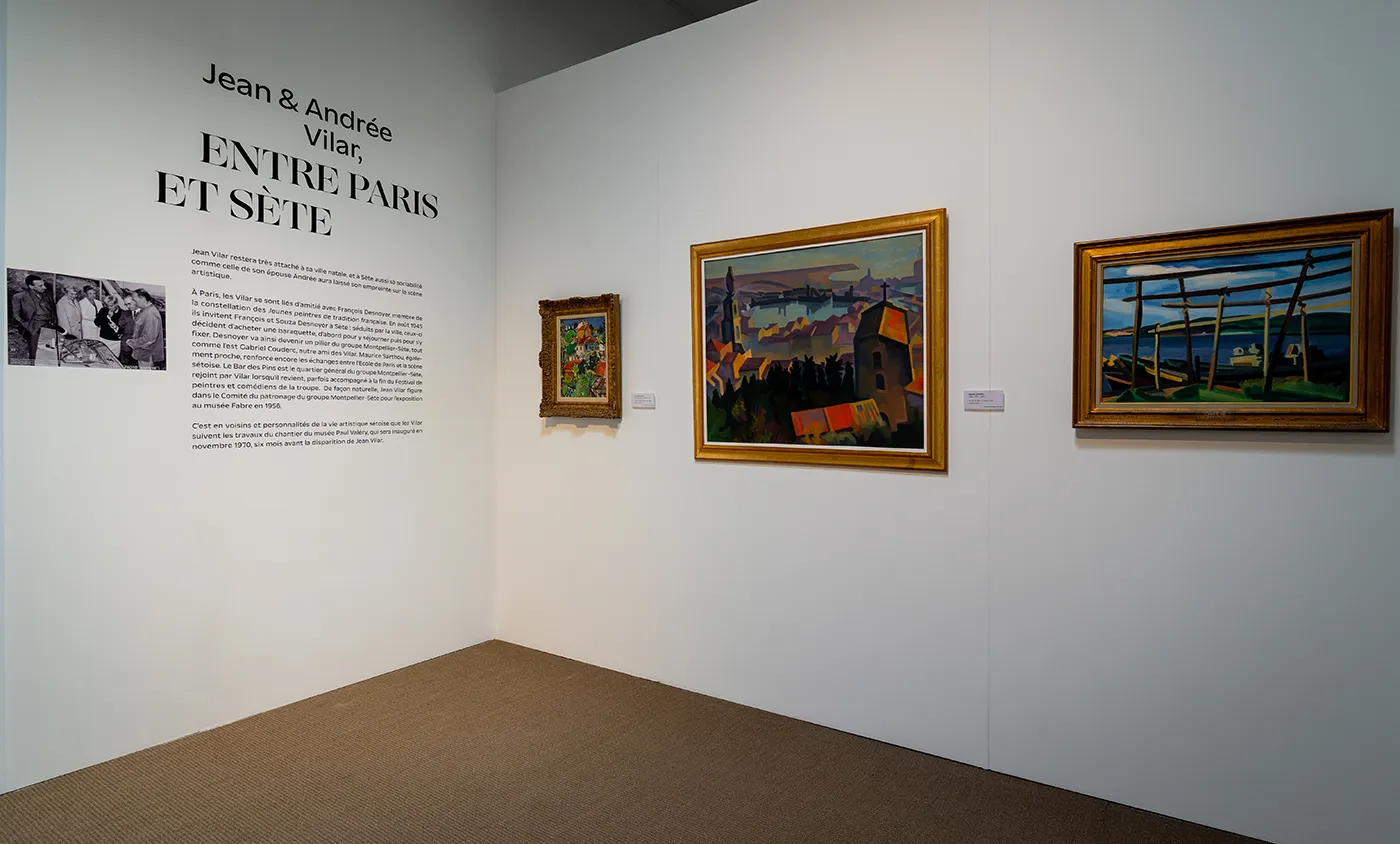
Practical Information
Adress
Paul Valéry museum
148 François Desnoyer street
34200 Sète
Opening hours
Through November 8, 2026
Tuesday through Sunday, 10 a.m. to 6 p.m.
Closed Mondays
Guided tours on Wednesdays and Saturdays at 4 p.m.
Rates
€9.9
€5.3 for ages 10–18 and students under 25
Free for children under 10
FAQ - "The Colors of Jean Vilar" Exhibition at the Paul Valéry Museum in Sète
Who was Jean Vilar ?
Jean Vilar (1912–1971) was one of the leading figures in 20th-century French theater. Born in Sète, he founded the Avignon Festival in 1947 and served as director of the Théâtre National Populaire (TNP) from 1951 to 1963. He is best known for his commitment to making theater accessible to everyone.
When is the "Les couleurs de Jean Vilar" exhibition taking place?
The exhibition will be on view from July 2 to November 8, 2026, at the Paul Valéry Museum in Sète.
What does the exhibition *The Colors of Jean Vilar* feature?
The exhibition explores the connections between Jean Vilar and several major 20th-century painters. It brings together paintings, costume designs, set designs, tapestries, and archival materials that illustrate how these artists helped revitalize the aesthetics of French theater.
Which artists are featured in the exhibition?
The exhibition highlights, among others, Léon Gischia, Édouard Pignon, Mario Prassinos, Jacques Lagrange, Gustave Singier, Alfred Manessier, and Marcel Jacno. All of them collaborated with Jean Vilar as part of the Avignon Festival or the Théâtre National Populaire.
Is the exhibition accessible to people who aren't familiar with theater?
Yes. Even if you’re not a theater enthusiast, the exhibition offers the chance to discover numerous works of art, spectacular costumes, and an important chapter in French cultural history. It appeals to both modern art lovers and the simply curious.
How much time should I set aside to visit the exhibition?
Il faut compter entre 1h et 1h30 pour profiter pleinement du parcours et découvrir les différentes sections consacrées aux artistes ayant collaboré avec Jean Vilar.
Why is Jean Vilar important in the history of French culture?
Jean Vilar profoundly transformed the French cultural landscape by championing the idea of a theater that was popular, demanding, and accessible. His work in Avignon and at the TNP influenced several generations of directors and artists.
What is there to see in Sète after the exhibition?
After your visit, you can explore the permanent collections at the Paul Valéry Museum, the marine cemetery, Mont Saint-Clair, the canals in the city center, the fishing port, and the Espace Georges Brassens, dedicated to the famous singer from Sète.