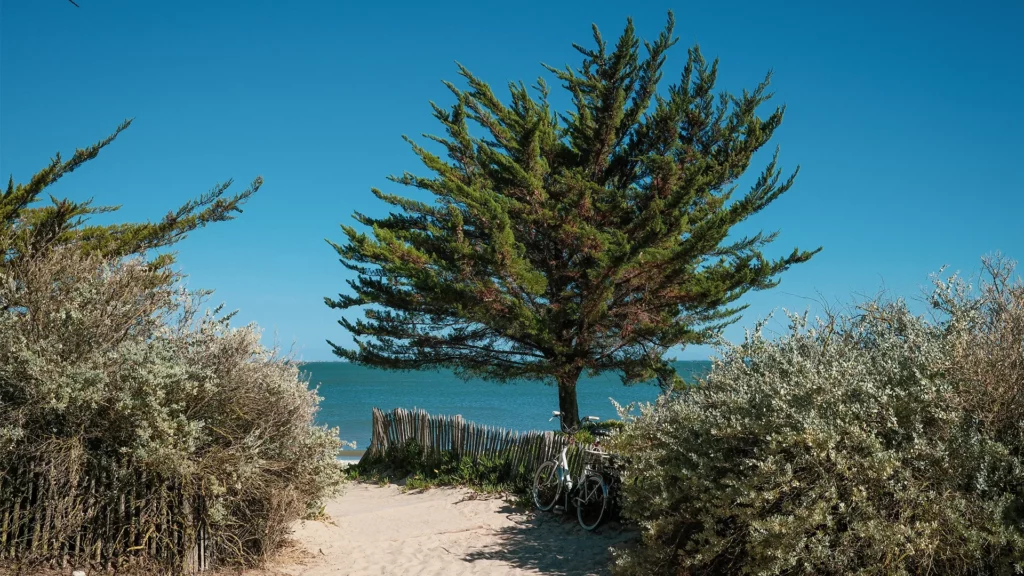

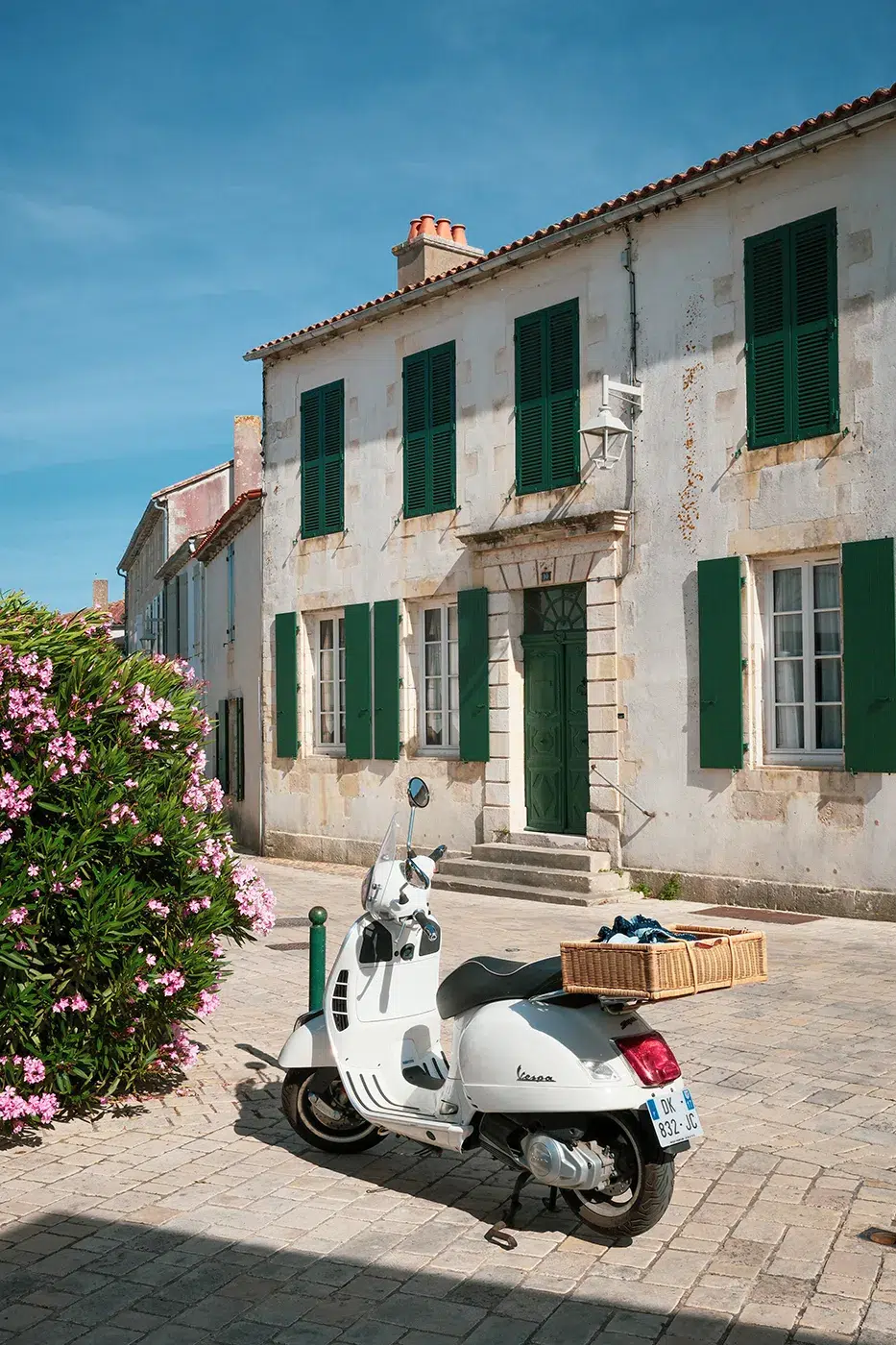
With its houses featuring colorful shutters, its salt marshes, its long beaches of fine sand, and its hundreds of kilometers of bike paths, the Île de Ré is one of the most appealing destinations on the French Atlantic coast.
Connected to the mainland by a bridge since 1988, it attracts thousands of visitors every year, but beyond its postcard-perfect scenery, the Île de Ré has a strong identity shaped by the sea, the salt trade, and fishing.
As you travel from village to village across the island, you’ll discover a different atmosphere in each one: bustling harbors, fortified towns, flower-lined streets, and small hamlets. This free guide has everything you need to know to plan your trip to Île de Ré and explore its most beautiful villages.
The Île de Ré in short
- When is the best time to visit île de ré?
The Île de Ré can be visited year-round, but the most pleasant times to visit are spring (April through June) and late summer (September and October). Temperatures are mild, crowds are manageable, and the scenery is particularly beautiful. Summer offers a very lively atmosphere, with numerous events and markets, but the villages are often very crowded, and lodging rates rise quickly.
- How much time should I set aside?
A weekend is enough to explore the main villages and ride a few bike trails. To explore the island at a leisurely pace, enjoy the beaches, visit the salt marshes, and go on several bike rides, plan on spending 4 to 5 days. A full week is ideal for exploring all ten municipalities without rushing.
- Who is it for?
The Île de Ré is particularly well-suited for families with children, cycling enthusiasts, nature lovers, or simply travelers looking for a relaxing getaway by the sea.
- How much should I budget for this?
The Île de Ré is known as one of the most expensive destinations on the Atlantic coast. For a stay of a few days, you should generally expect to spend:
- Accommodations: €90 to €250 per night, depending on the season;
- Meals: between 20 and 50 € per person;
- Bicycle rental: about 15 to 30 € per day.
Please note: During peak season, prices may increase significantly.
- How do I get to île de Ré?
The island is connected to La Rochelle by a bridge nearly 3 kilometers long that opened in 1988.
Admission is free for cyclists, pedestrians, and public transportation users, but there is a toll for cars. The toll varies by season, with higher prices during the summer (from €4 to €16 for a round trip).
The nearest train station is La Rochelle. From there, several bus routes connect to the island’s various villages.
- How do you get around the island?
Cycling is undoubtedly the best way to explore Île de Ré. More than 140 kilometers of bike paths make it easy to get between villages, beaches, and salt marshes. A car is still convenient for short stays or families, but traffic can get very heavy in the summer.
A bus network also serves the main towns, offering an attractive alternative.
What to See on Île de Ré? Must-Visit Villages
Saint-Martin-de-Ré, the historic heart of the island
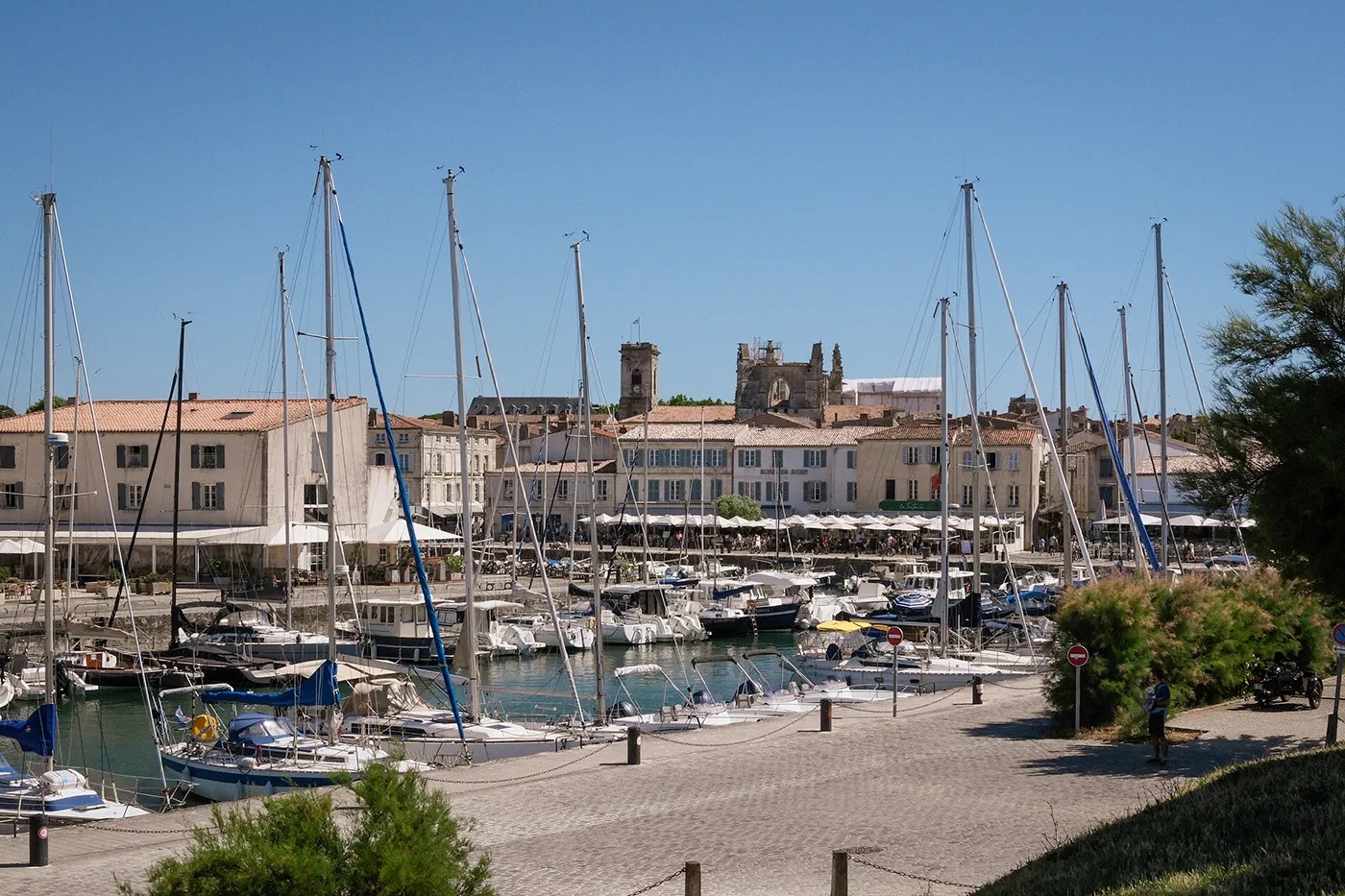
As the historic capital of Île de Ré, Saint-Martin-de-Ré is often the first stop for visitors. Its harbor lined with terraces, its shopping streets, and its traditional houses make it one of the liveliest villages on the island.
The city is best known for its impressive fortifications, designed by Vauban in the late 17th century. These remarkably well-preserved ramparts are now listed as a UNESCO World Heritage Site.
A walk along the ramparts offers magnificent views of the village, the harbor, and the surrounding marshes.
La Flotte: A Blend of Heritage and the Good Life
La Flotte is listed among the Most Beautiful Villages of France. Its history dates back to the Middle Ages, when its port played an important role in regional maritime trade. Even today, pleasure boats and lively outdoor cafes lend the waterfront a great deal of charm.
Its traditional market is one of the most famous on the island. It offers local produce, seafood, and regional specialties in a particularly pleasant atmosphere.
Ars-en-Ré, one of the most beautiful villages in France
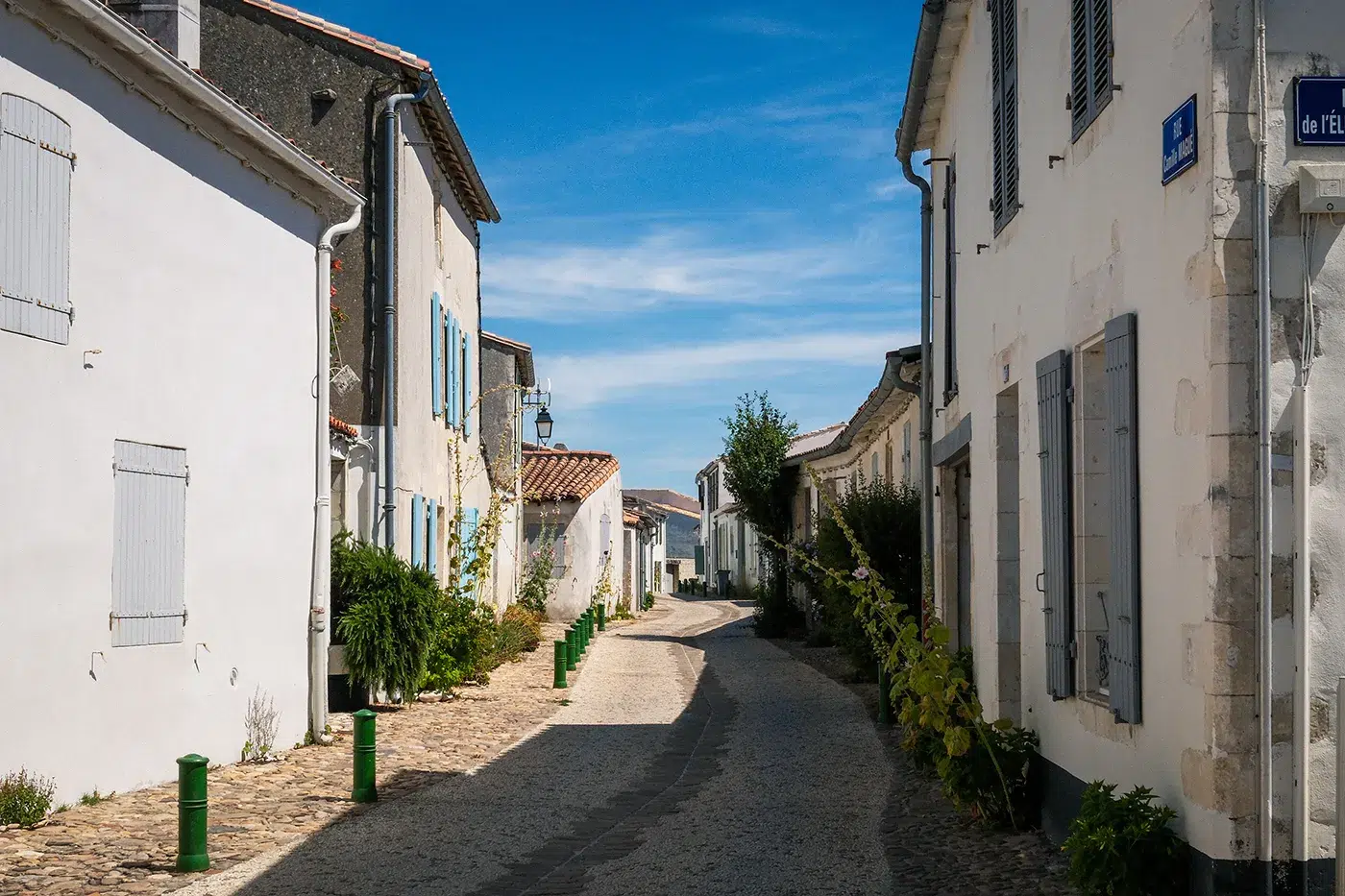
Also listed among the Most Beautiful Villages of France, Ars-en-Ré is recognizable from a distance thanks to the black-and-white bell tower of its church, which once served as a landmark for sailors (a fixed point of reference visible from the sea).
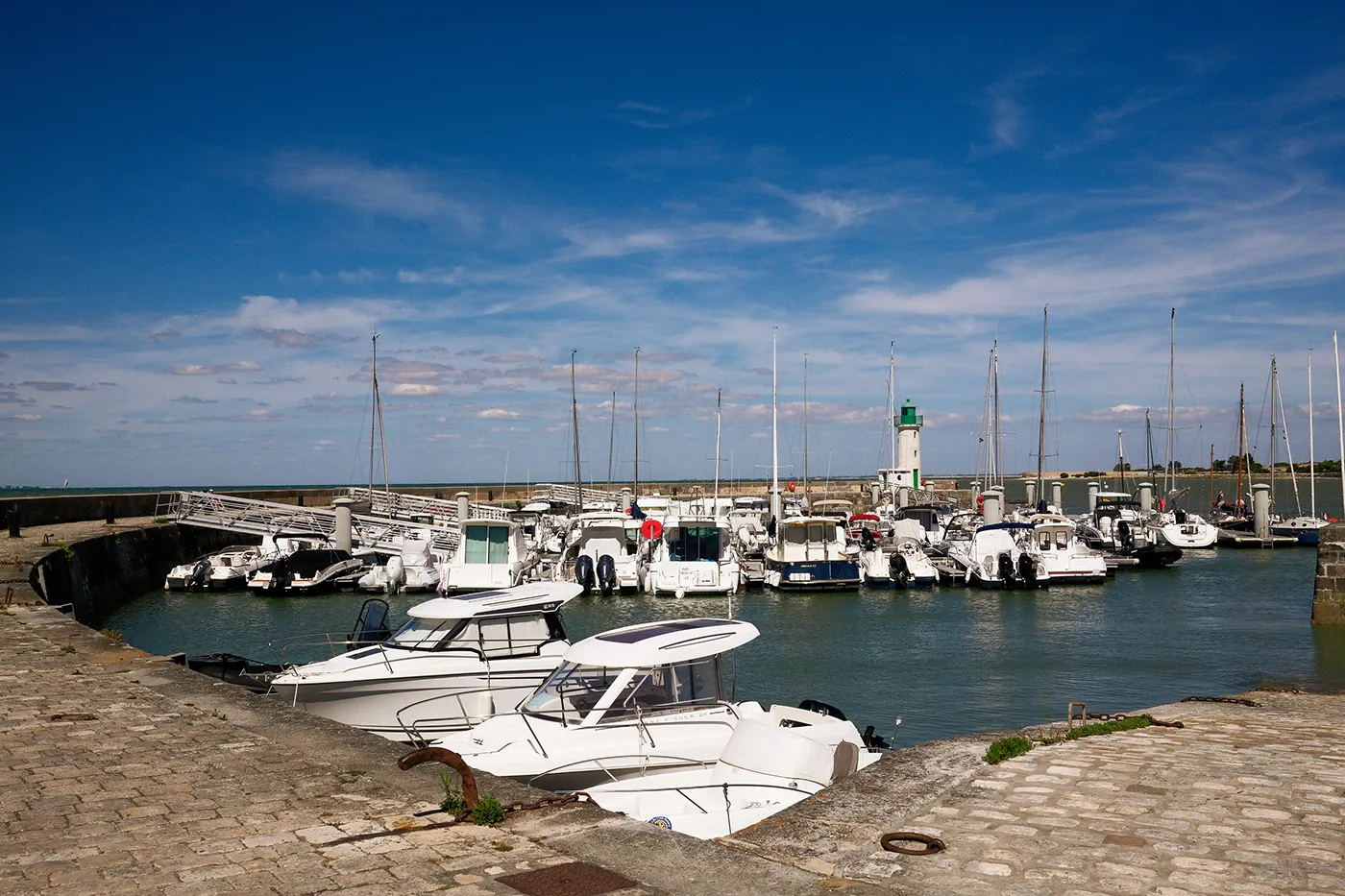
Located at the western tip of the island, the village is surrounded by salt marshes that have long been the source of its wealth. Its harbor, once a hub of the salt trade, still retains its authentic charm today.
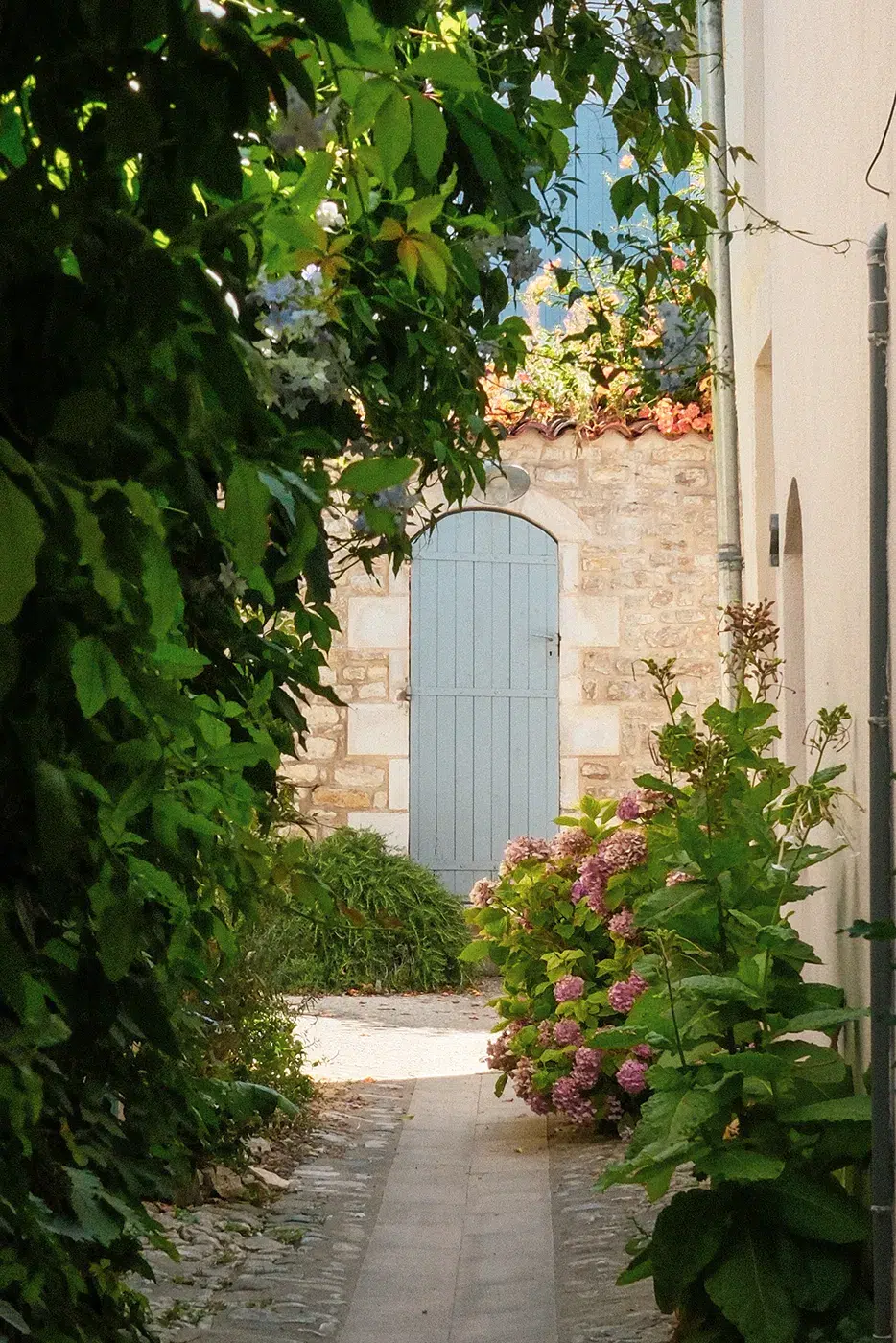
The narrow alleys lined with hollyhocks invite you to take a leisurely stroll. It’s also a great starting point for exploring the marshes by bike.
Saint-Clément-des-Baleines, at the End of the World
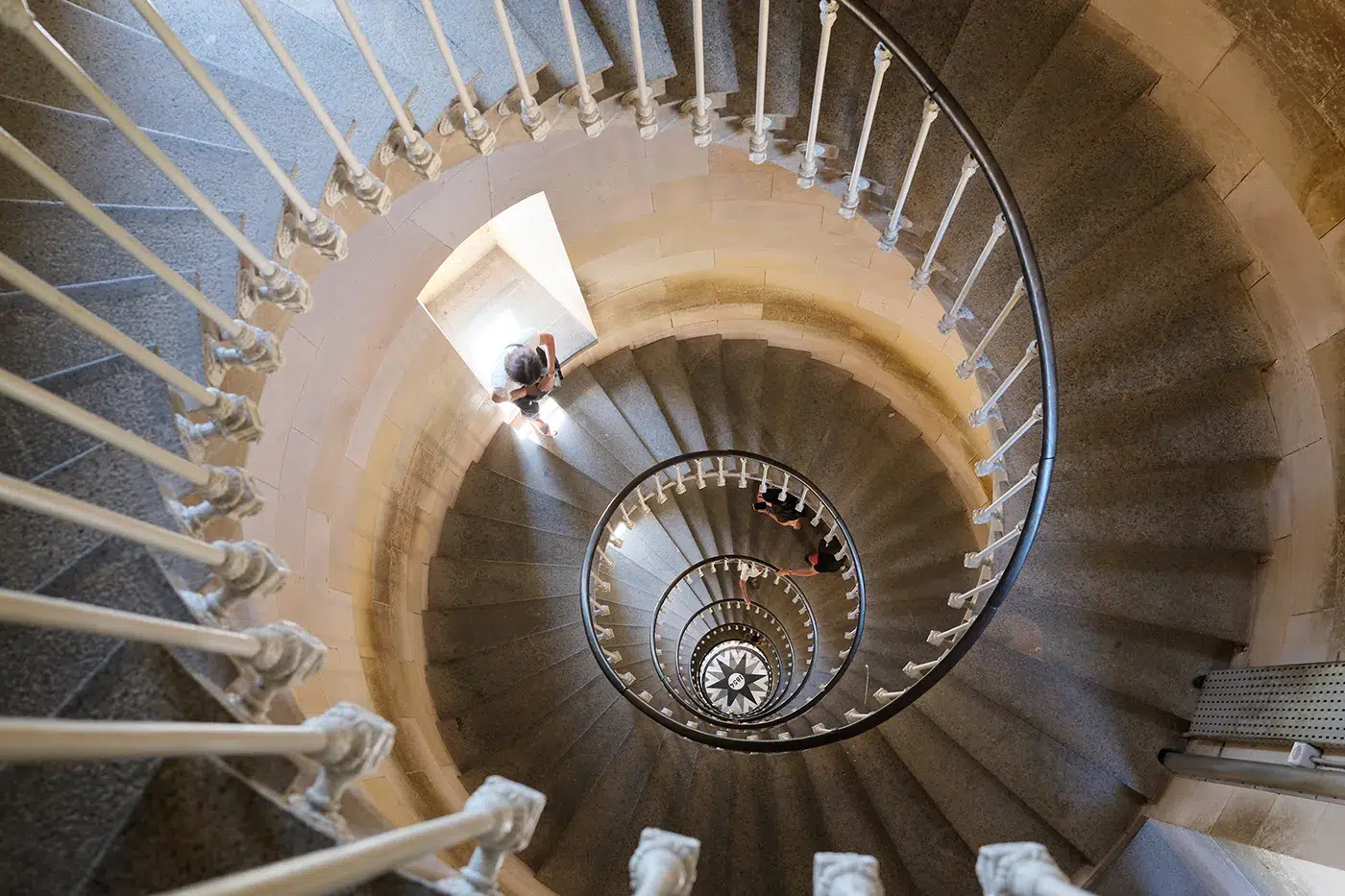
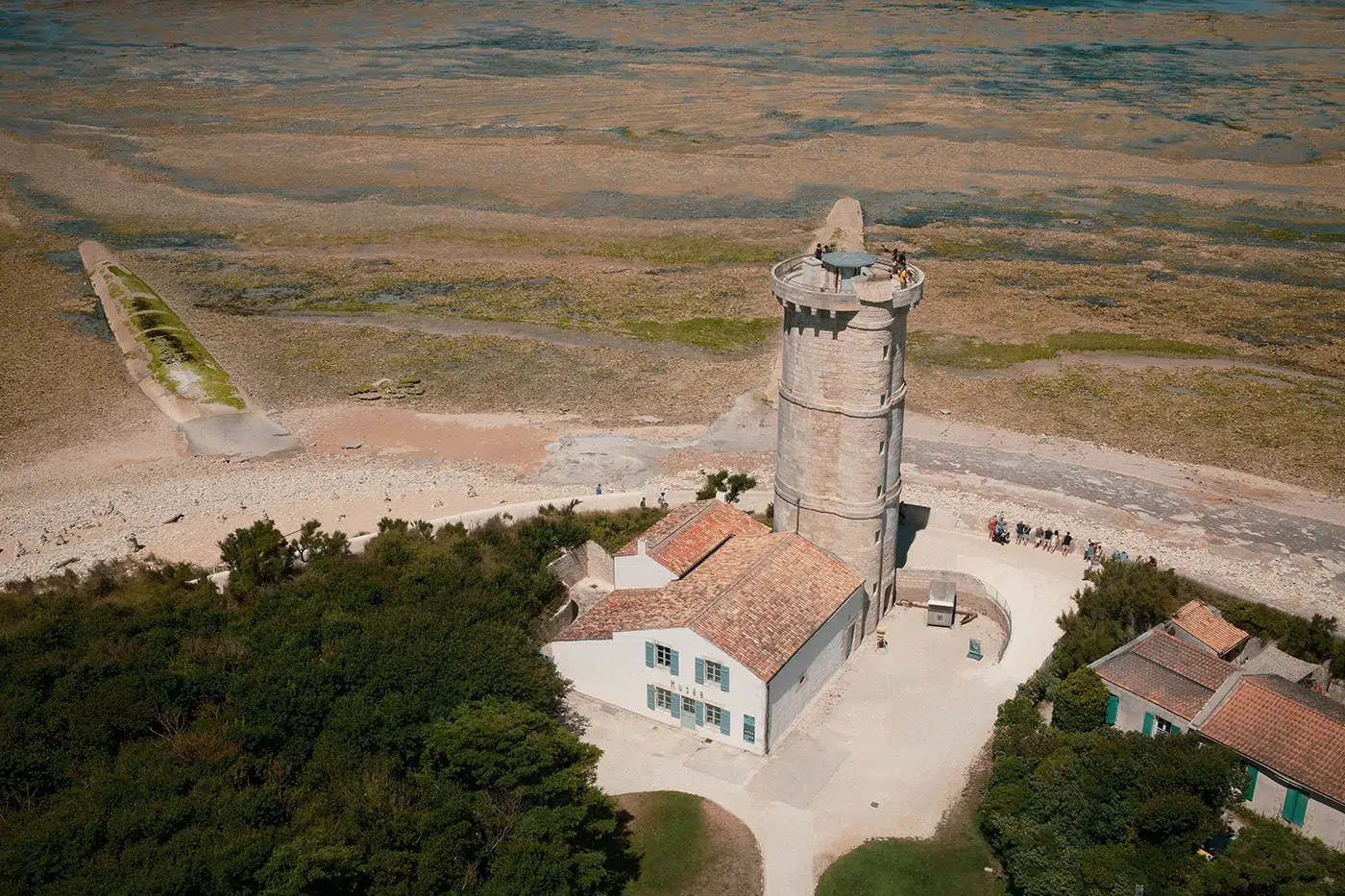
Located in the far northwest of the island, Saint-Clément-des-Baleines charms visitors with its peaceful atmosphere and vast natural landscapes. The village owes its fame to the renowned Phare des Baleines, built in the 19th century. With its 257 steps, it offers one of the island’s most beautiful panoramic views.
Le Bois-Plage-en-Ré, nestled between vineyards and the ocean
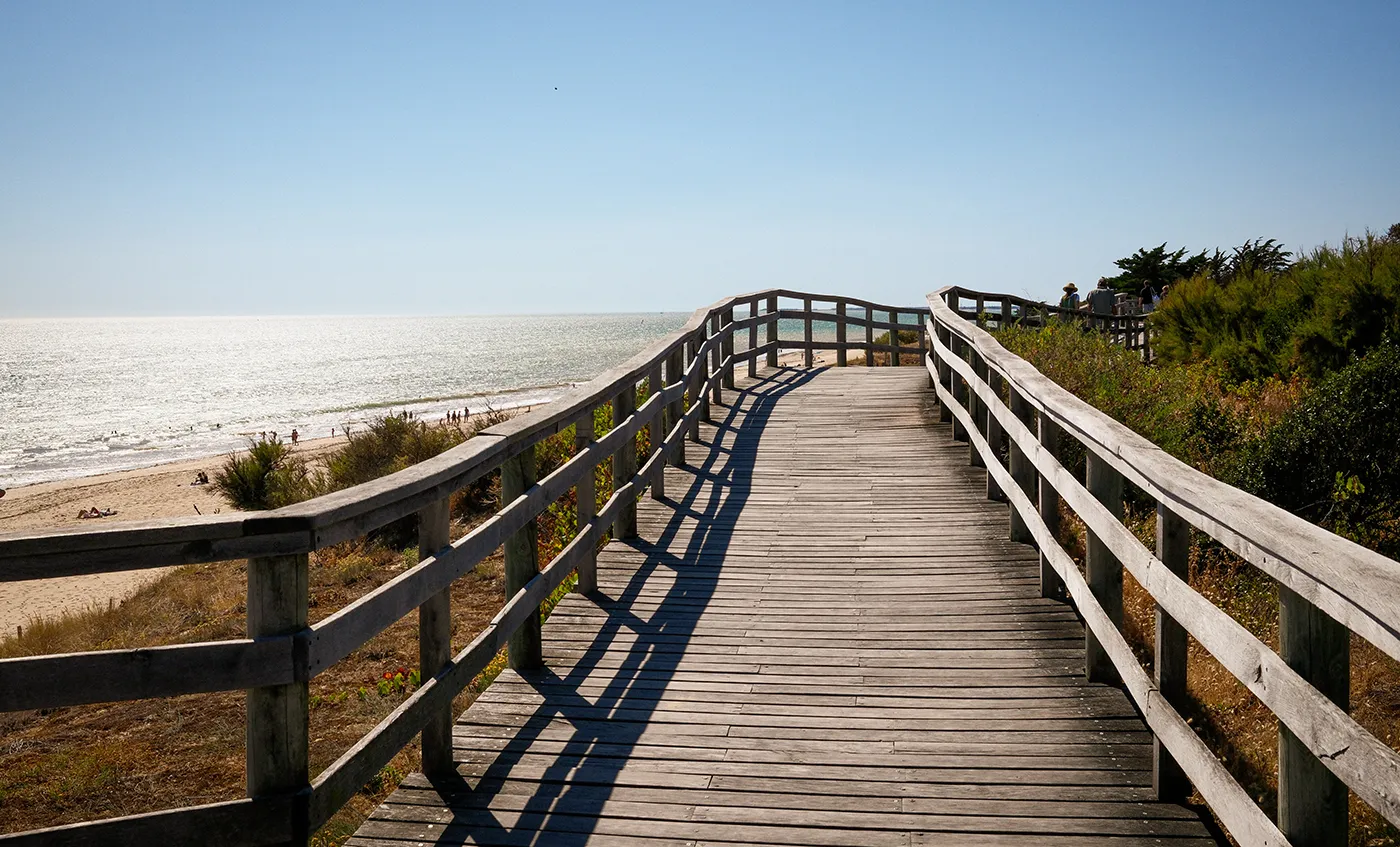
Le Bois-Plage-en-Ré is known for its long, fine-sand beaches, which are among the most beautiful on the island. A wooden boardwalk—though a bit short—offers a magnificent view of the beach and the sea.
In this village, you’ll also find charming shops where you can pick up a few souvenirs from the island.
Rivedoux-Plage, the gateway to the island
This is one of the first villages you pass through when arriving on the island. Rivedoux offers a lovely promenade along the seafront, designed for cyclists and pedestrians. There are also a few bars where you can stop for a relaxing break.
Near the market, you’ll also find Nina Métayer’s bakery and pastry shop; she was named the world’s best pastry chef.
A map of must-visit spots on Île de Ré
Find all the locations mentioned in this article on this interactive map of Île de Ré:
tip*
Use the menu on the left to filter addresses by category.
Where to stay on Île de Ré?
The island offers a wide range of accommodations (hotels, bed-and-breakfasts, etc.). During my trip, I stayed at the Odalys Rêve d’Île in Rivedoux-Plage. The property offers accommodations of various sizes (for up to 6 people) as well as access to a gym and a heated outdoor pool.
Enter the dates of your stay below to view a list of available accommodations and their rates:
What to Do on Île de Ré? The 10 Must-Try Experiences
Beyond its charming villages, the Île de Ré offers a wide variety of activities that allow visitors to discover its heritage, landscapes, and way of life. Here are the 10 must-try experiences during a stay on the island :
Climb to the top of the Baleines Lighthouse
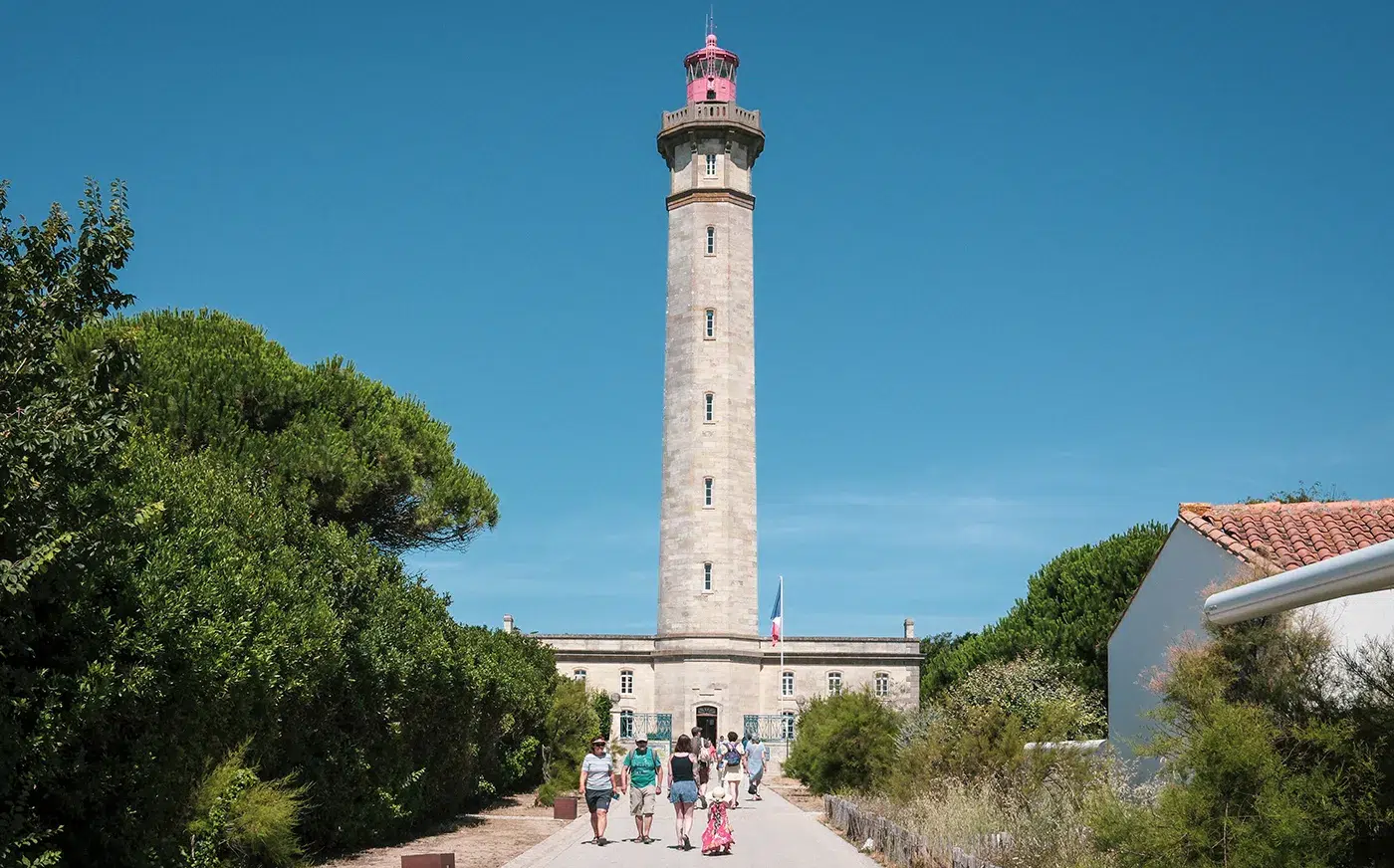
You can’t visit Île de Ré without making a detour to the Les Baleines Lighthouse, one of the island’s most iconic landmarks. Built in the mid-19th century to ensure safe navigation off the Atlantic coast, it stands nearly 60 meters tall. After climbing its 257 steps, you’ll enjoy a 360-degree view of the ocean, the beaches, the salt marshes, and the surrounding villages. The site also features a museum dedicated to the history of lighthouses and navigation.
Explore the salt marshes
For centuries, salt has been the Île de Ré’s main source of wealth. Even today, the salt marshes shape much of the landscape. A visit offers insight into the work of the salt workers and the techniques used to harvest salt, which have remained virtually unchanged since the Middle Ages. In the summer, it’s sometimes possible to watch the harvest of fleur de sel. The salt marshes also offer magnificent light at sunrise and sunset, which is particularly popular with photographers.
Explore the island by bike
With more than 140 kilometers of bike paths, Île de Ré is a true paradise for cyclists. Since the distances are relatively short, even families with children can easily enjoy exploring the island this way.
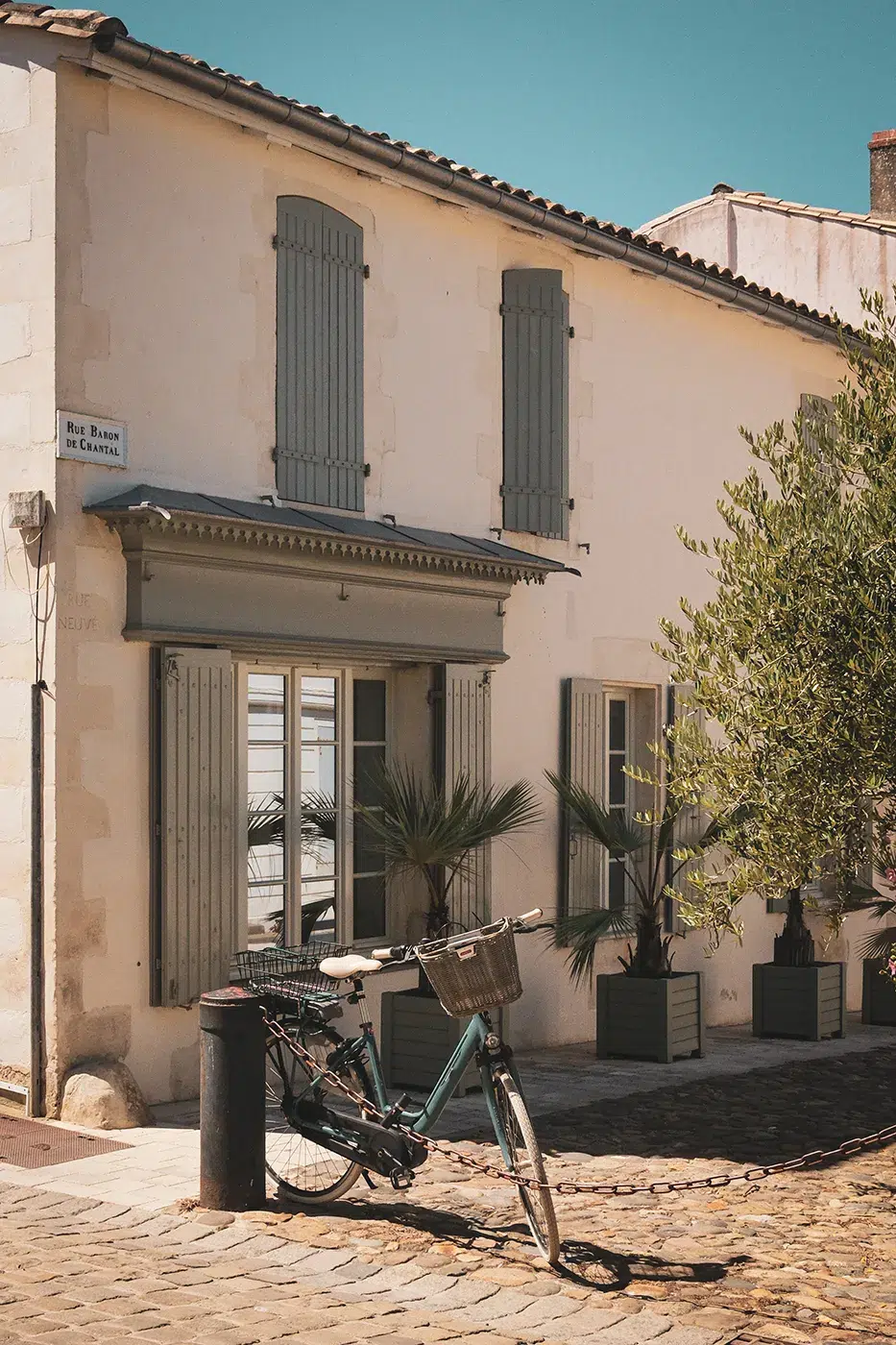
Enjoy the island's most beautiful beaches
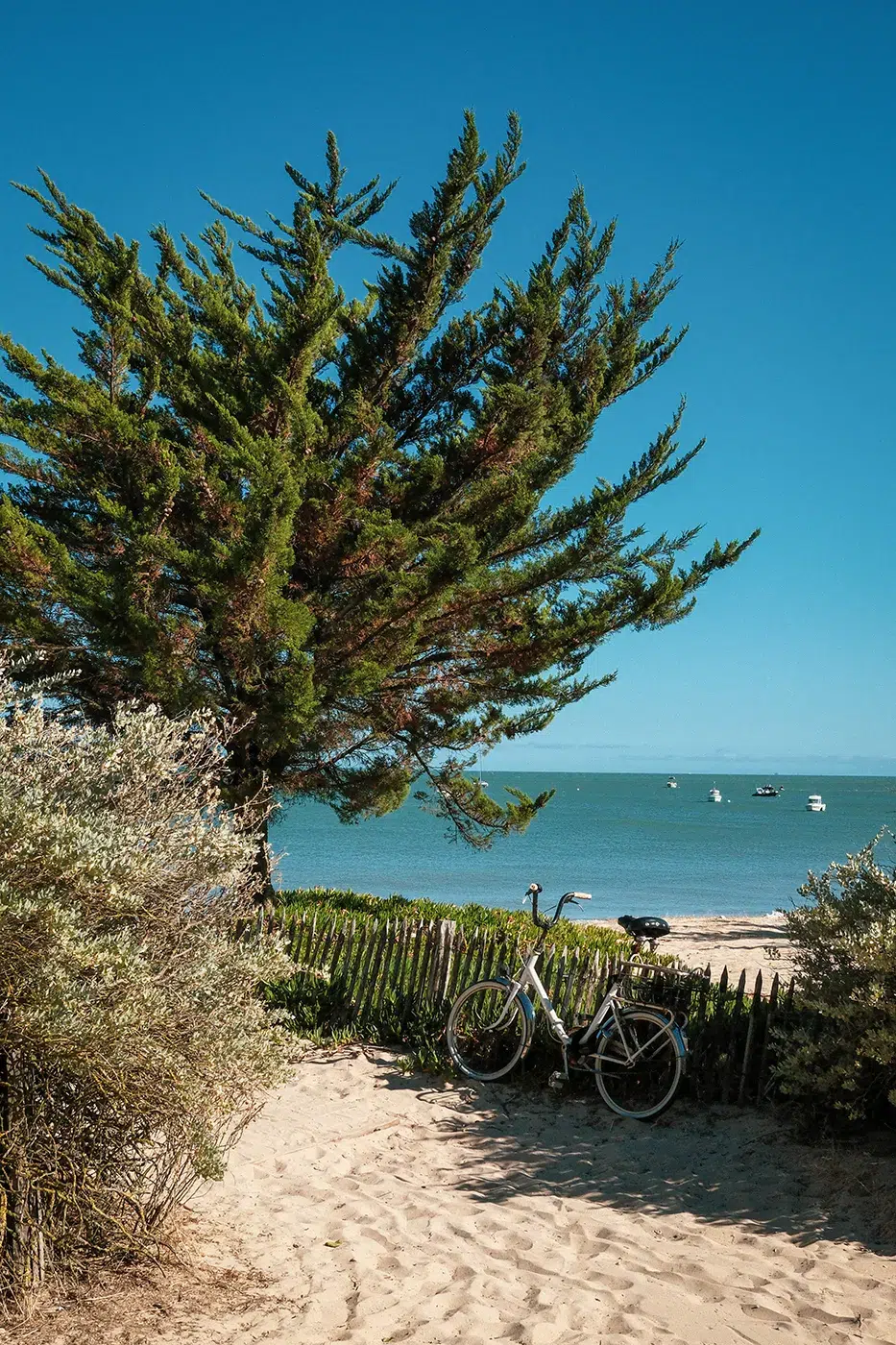
The beaches of Bois-Plage-en-Ré—spacious and easily accessible—are perfect for families. Those on the west coast are more exposed to the Atlantic waves.
Explore the Fortifications of Saint-Martin-de-Ré
Listed as a UNESCO World Heritage Site, the fortifications of Saint-Martin-de-Ré are one of the most beautiful military complexes designed by Vauban. A stroll along the ramparts takes you around the old town while offering superb views of the harbor, the marshes, and the ocean. It’s also an excellent way to understand the strategic role played by the Île de Ré in defending the French coastline during the 17th and 18th centuries.
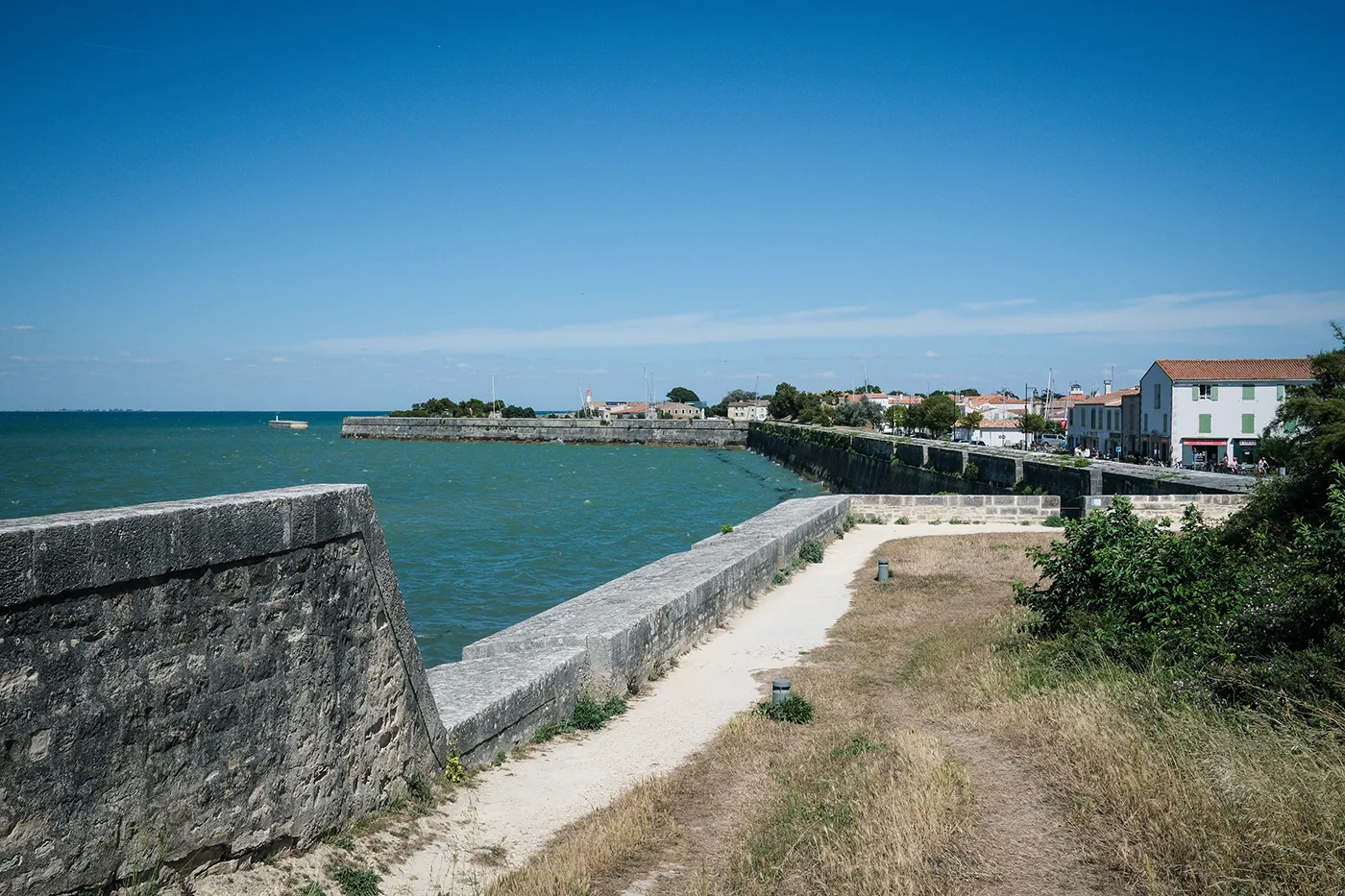
Tasting Oysters from the Île de Ré
Oyster farming is an integral part of Ré’s identity. Many oyster farmers open their huts to visitors, offering tastings with a view of the oyster beds. It’s a chance to discover locally farmed oysters as well as other seafood specialties such as shrimp, whelks, and clams.
Visit the vineyards
The Île de Ré also has a long tradition of winemaking. The Arica winery offers tours and tastings that allow visitors to discover its selection of wines and Pineau des Charentes.
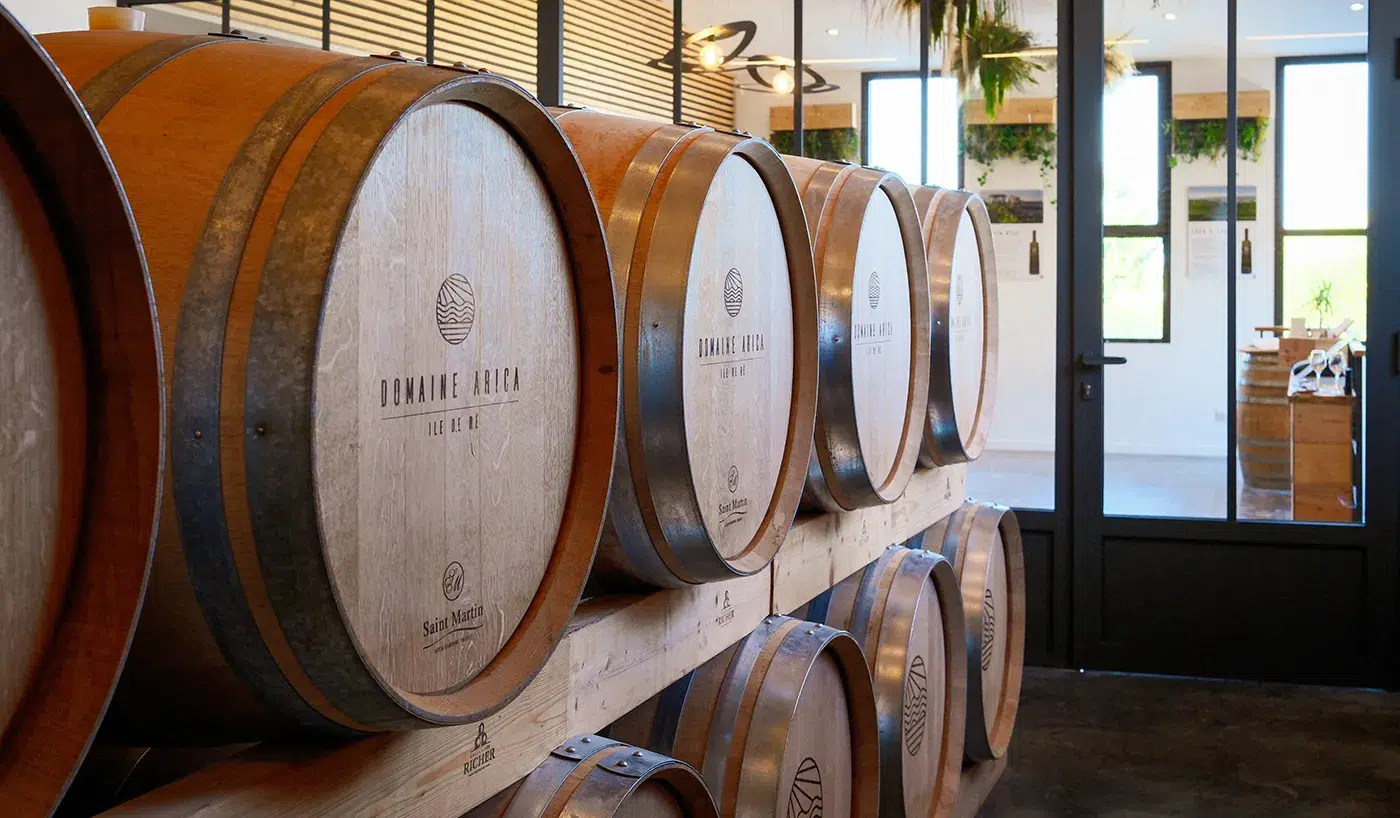
Strolling through the markets
Markets are part of the Ré way of life. The market in La Flotte is often considered the most beautiful on the island, but those in Bois-Plage-en-Ré, Saint-Martin-de-Ré, and Ars-en-Ré are also worth a visit. There you’ll find local products as well as regional specialties, handcrafted items, and creations by producers based on the island.
Enjoying some artisanal ice cream by the sea
It’s the ultimate summer treat! Stop by one of the many shops in La Martinière, the island’s most famous ice cream parlor. In addition to traditional flavors, you’ll find unexpected ones like oyster ice cream or seaweed praline ice cream.
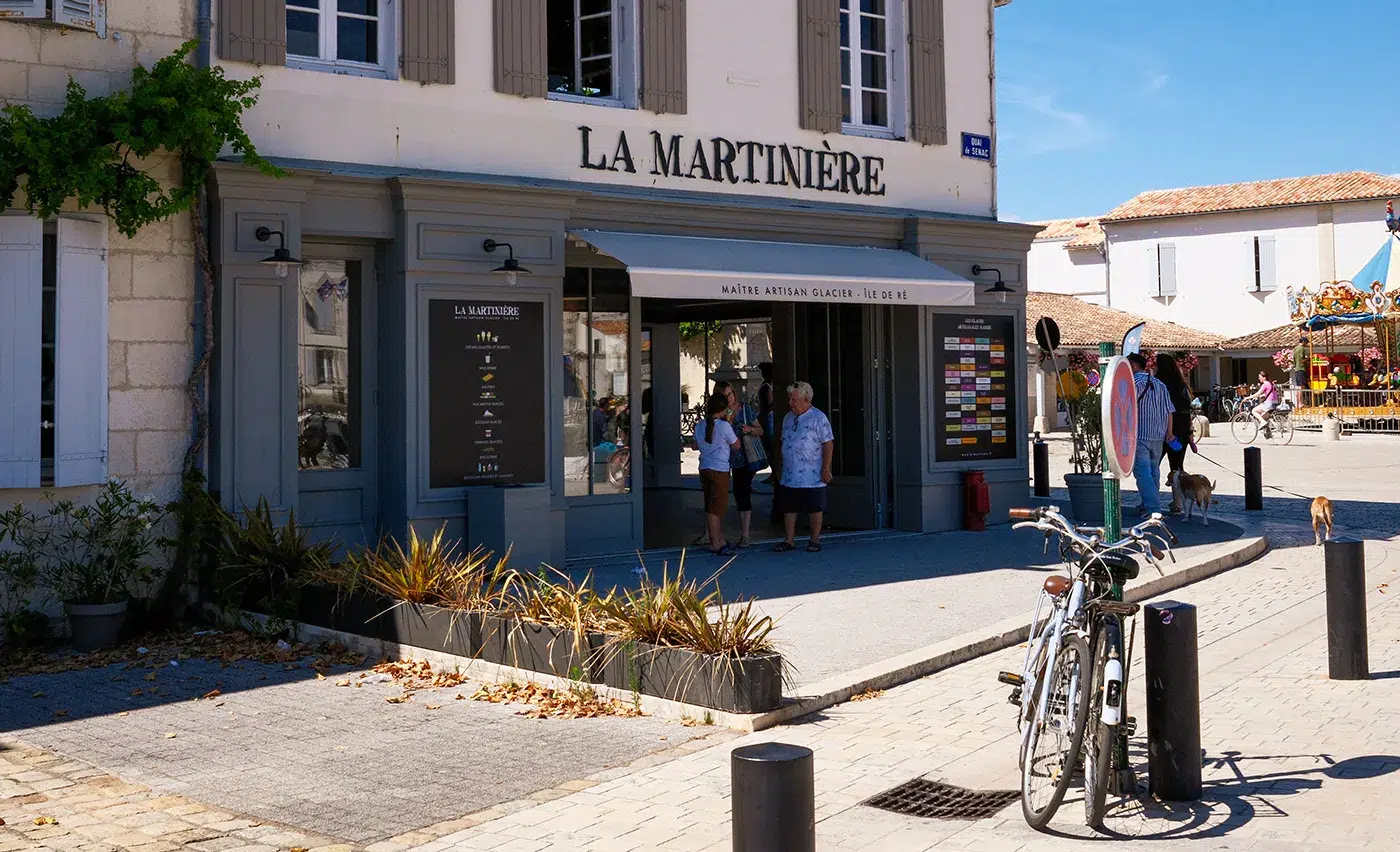
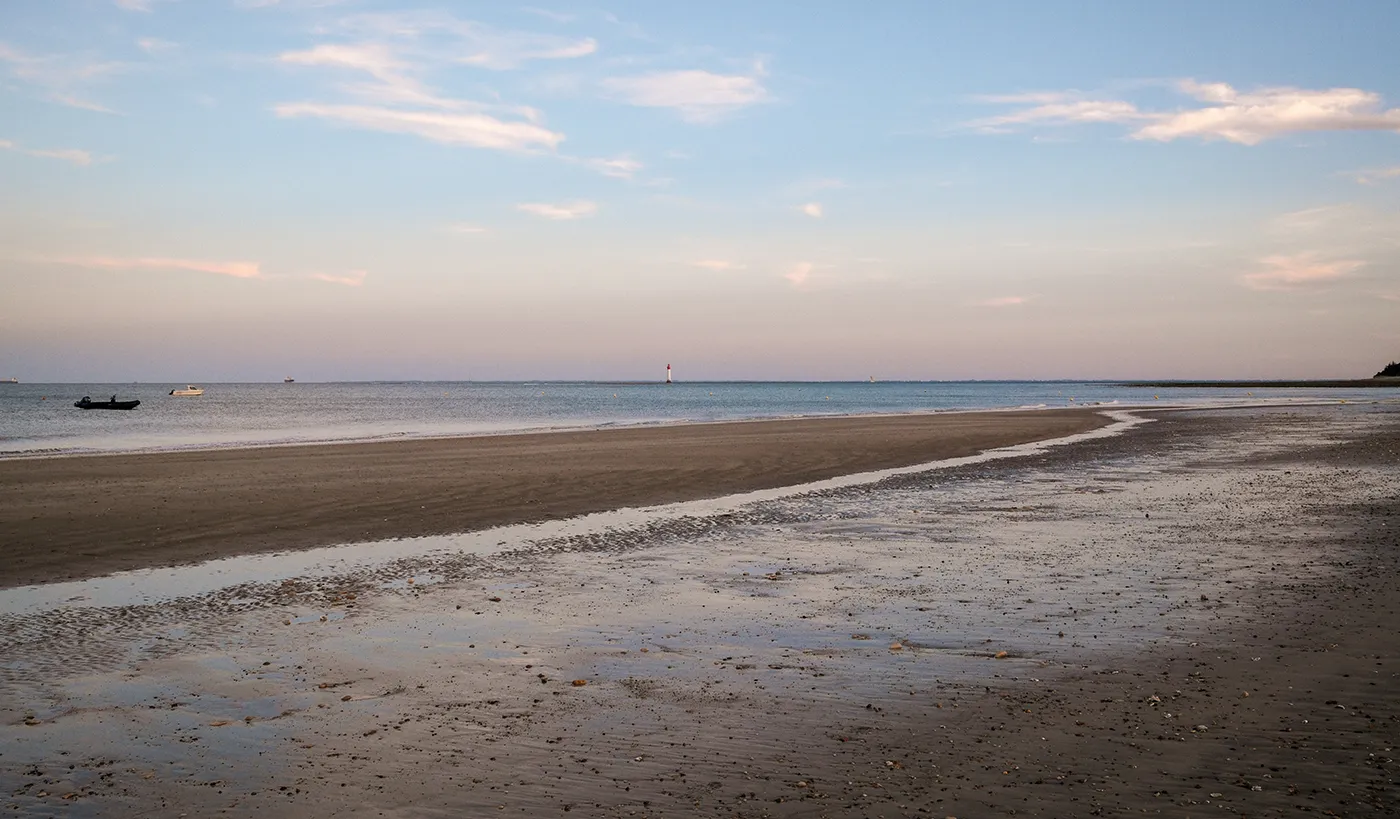
Watch a sunset over the ocean
Finally, one of the most wonderful experiences on Île de Ré is undoubtedly the simplest: sitting by the ocean at the end of the day. It’s a moment that perfectly captures all the charm of Île de Ré.
FAQ: Everything You Need to Know Before Visiting Île de Ré
What is the most beautiful part of Île de Ré?
It all depends on what you’re looking for. If you’re looking for charming villages, Ars-en-Ré and La Flotte are among the most beautiful. If you’re looking for natural scenery, the area around the Baleines Lighthouse is often considered the most spectacular.
How many days does it take to visit Île de Ré?
A weekend is enough to explore the main villages, but three to five days are recommended to fully enjoy the island, ride the bike paths, visit the salt marshes, and take the time to relax on the beaches.
When is the best time to visit Île de Ré?
May, June, September, and October generally offer the best conditions. Temperatures are pleasant, the days are still long, and the crowds are much smaller than in the height of summer.
Is it possible to visit Île de Ré without a car?
Yes. It’s entirely possible to reach the island from La Rochelle by bus and then get around by bike. With more than 140 kilometers of bike paths, the island is particularly well-suited for eco-friendly travel.
Is there a toll to cross the Île de Ré Bridge?
Yes, there is a toll for cars and motorcycles crossing the bridge. Rates vary by season, ranging from €4 to €16. However, pedestrians, cyclists, and public transportation passengers can access the island for free.
What is the most beautiful village on the Île de Ré?
Ars-en-Ré and La Flotte are often cited as among the island’s most beautiful villages. Both are, in fact, listed among the Most Beautiful Villages of France. Saint-Martin-de-Ré, for its part, charms visitors with its historical heritage and Vauban fortifications.
How far apart are the different villages?
The island is about 30 kilometers long from east to west. The distances between villages are relatively short, making it easy to get around by bike. For example, it takes about an hour to ride from Saint-Martin-de-Ré to the Baleines Lighthouse.
Where can you see the salt marshes on Île de Ré?
The largest salt marshes are located around Ars-en-Ré, Loix, and Les Portes-en-Ré. Several producers offer tours that provide an insight into the salt worker’s craft and salt harvesting techniques.
What are the most beautiful beaches on Île de Ré?
La Conche des Baleines Beach, Trousse-Chemise Beach, the beaches of Bois-Plage-en-Ré, and Gros Jonc Beach are among the most popular.
Is Île de Ré a good place for families?
Yes. With its many safe bike paths, sandy beaches, small, charming villages, and outdoor activities, the Île de Ré is a particularly popular destination for families with children. Bike rental companies also offer child bike trailers for rent.
Is it possible to cycle around Île de Ré?
Yes. There are several routes that allow you to explore all or part of the island by bike. You should generally plan on spending a day to complete a full loop that includes the main villages and tourist attractions.
What can you do on Île de Ré when it rains?
Even in bad weather, there are still plenty of things to do: visit the museums in Saint-Martin-de-Ré, learn about the history of the Les Baleines Lighthouse, tour an oyster farm, or explore the covered markets and artisanal shops in the villages.
What is the culinary specialty of Île de Ré?
The island is famous for its oysters, fleur de sel, seafood, and wine products such as Pineau des Charentes and cognac.
Is Île de Ré an expensive destination?
Prices are generally higher than in other Atlantic Coast beach resorts, especially for accommodations during the summer. Traveling in the spring or in September often allows you to take advantage of more affordable rates while still enjoying excellent conditions for sightseeing.
What is the difference between Île de Ré and Île d’Oléron?
The Île de Ré is generally seen as more elegant, more bike-friendly, and more focused on charming villages. The Île d’Oléron is larger, wilder, and often a little less expensive. Both destinations have their own unique character and are well worth a visit.
Enjoy your stay on Île de Ré!
This article contains affiliate links, which means I earn a commission if you make a reservation after clicking on one of these links. It doesn’t cost you any more, but it helps me continue to provide you with free travel guides.