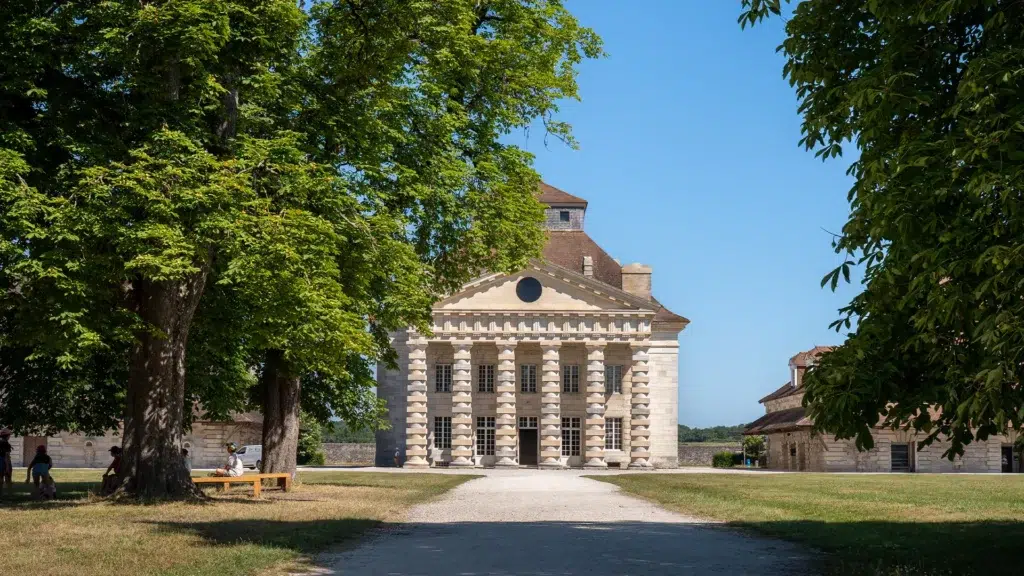

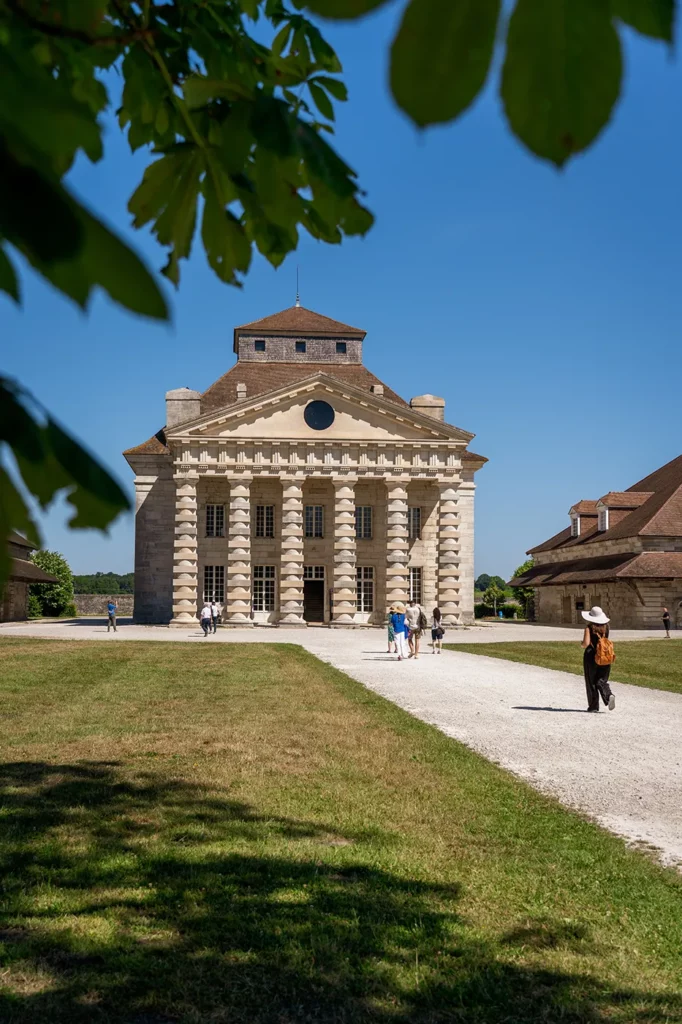
In the heart of the Doubs region, the Royal Salt Works of Arc-et-Senans (France) stands as a unique testament to European industrial history. Designed in the 18th century by architect Claude-Nicolas Ledoux, this former saltworks—conceived as a true “ideal factory”—still impresses today with its semicircular architecture and meticulous layout. Listed as a UNESCO World Heritage Site, it embodies both the technical ambition and the utopian ideals of the Enlightenment. But the Saltworks is also a site in constant reinvention; today it hosts contemporary projects such as the Garden Festival, which transforms its gardens into true havens of biodiversity. Between the legacy of salt, architectural heritage, and ecological experiments, Arc-et-Senans is a place where history engages with the present.
The Story of an Exceptional Manufactory
A Story of Salt
In the 18th century, salt played a central role in the economy and in daily life. Much more than just a condiment, it was essential for preserving food in a society without refrigeration, and served as a major source of revenue for the kingdom through the gabelle, the particularly unpopular salt tax. In this context, Franche-Comté—and more specifically the Salins-les-Bains region—had been producing salt from underground brine springs since the Middle Ages. But by the 18th century, the old saltworks had become inadequate due to growing demand and technical limitations. The site was ill-suited for expanding the facilities and, above all, lacked sufficient quantities of wood—which was essential for heating the brine and extracting the salt through evaporation. To resolve these difficulties, Louis XV decided to establish a new royal saltworks in Arc-et-Senans, near the Chaux Forest, which provided the necessary energy source.
A “factory-city” conceived by Claude Nicolas Ledoux
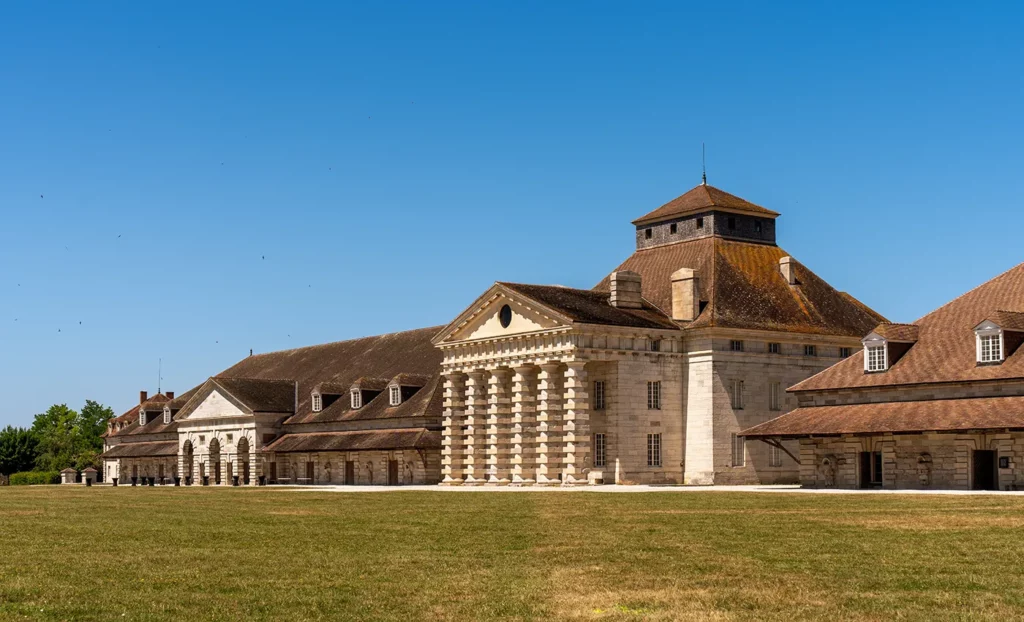
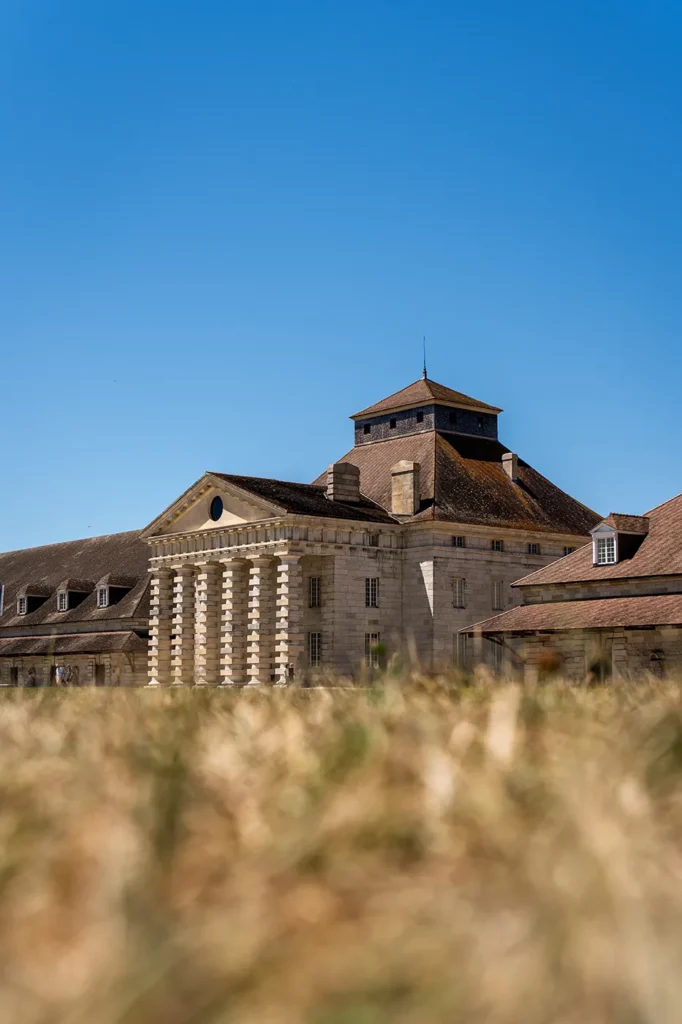
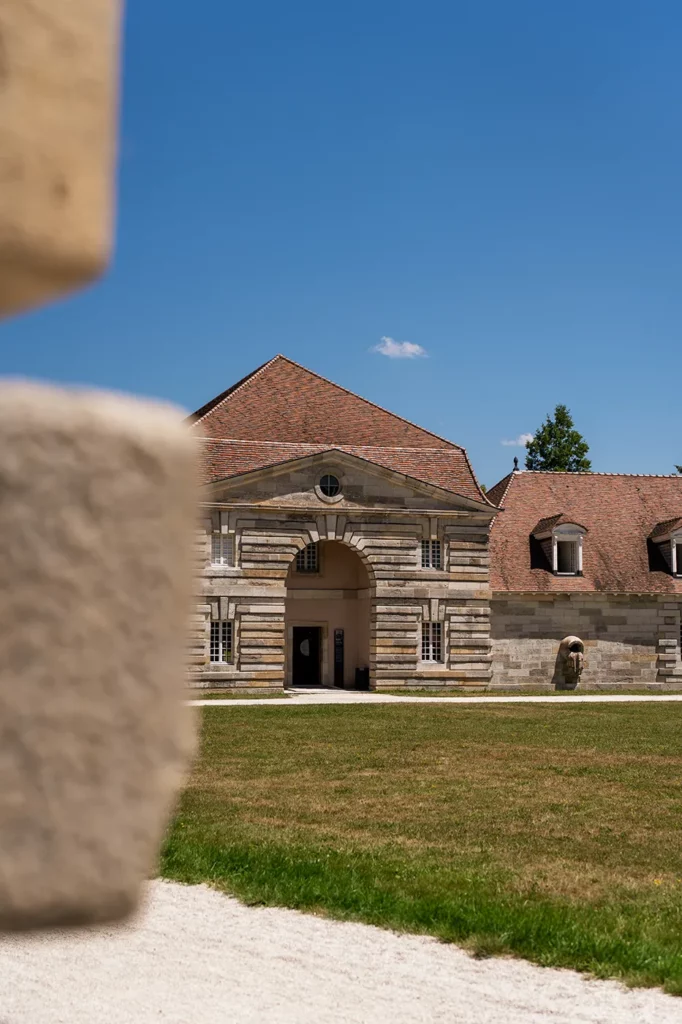
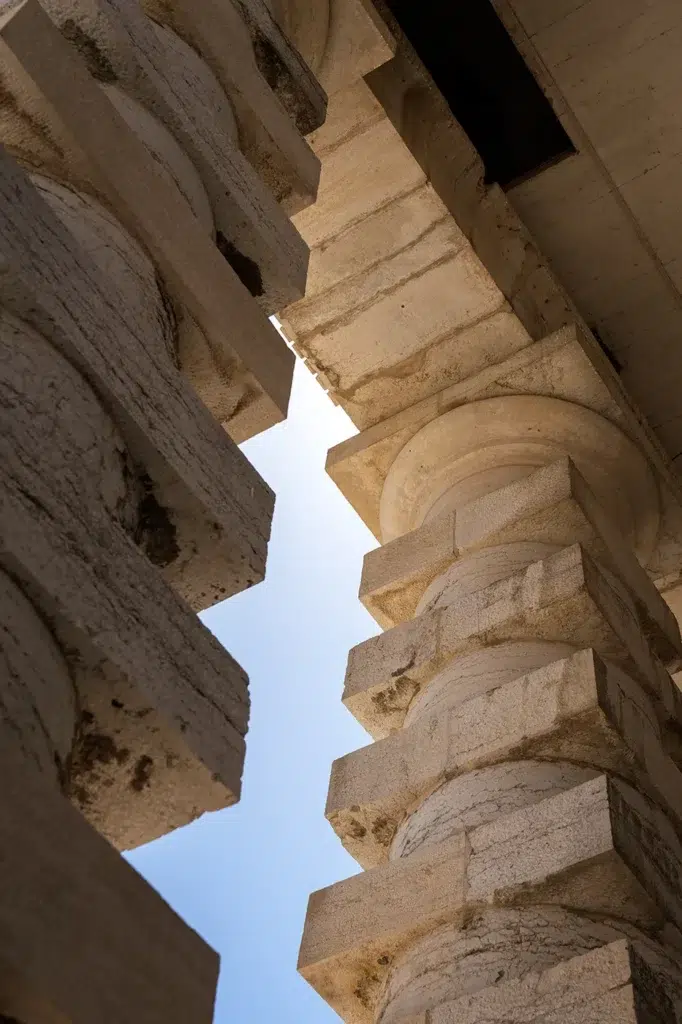
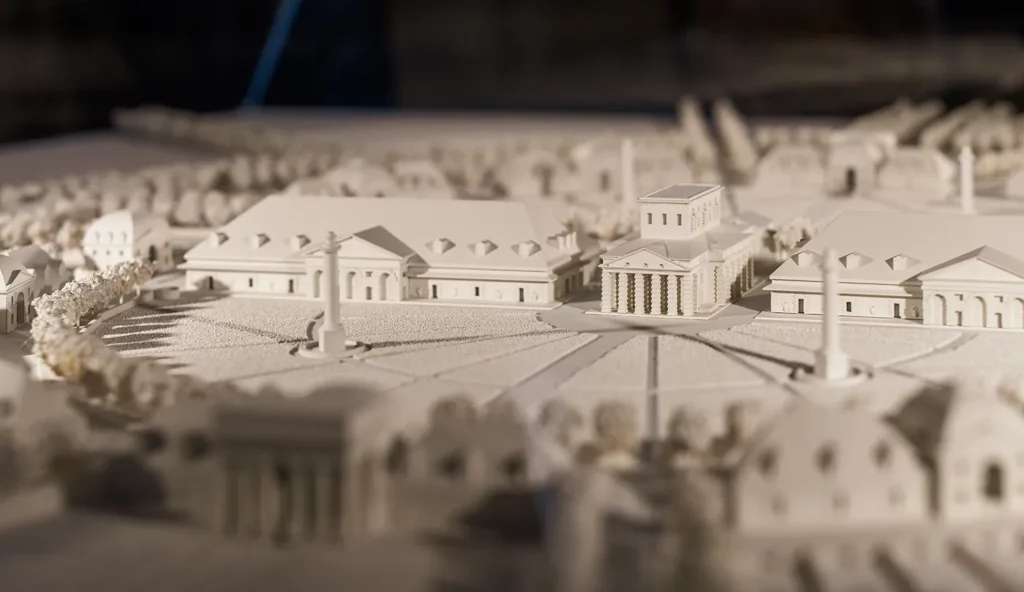
The project was entrusted to architect Claude-Nicolas Ledoux, a leading figure in Enlightenment architecture, who designed a completely novel industrial complex. Between 1775 and 1779, he envisioned a true “factory-city” conceived as a rational, organized, and hierarchical space, where the architecture was meant to reflect both productive efficiency and a social ideal. The Royal Saltworks of Arc-et-Senans features a spectacular semicircular shape, designed for both symbolic and functional reasons: it expresses order and harmony while allowing for centralized surveillance, thereby limiting uncontrolled movement. At the center, the director’s building embodies authority, while the guards’ building serves as the site’s sole entrance—a true checkpoint. Arranged around this central axis are the production workshops, workers’ housing, administrative buildings, and facilities necessary for daily life—such as washhouses and the bread oven—enabling the saltworks to operate in near-self-sufficiency and accommodate several dozen people on site.
A New Life
Opened in 1779, the saltworks operated for over a century before being undermined by the Industrial Revolution. The arrival of the railroad and the development of coastal salt marshes gradually made production in the Franche-Comté region less competitive and more expensive. In 1895, the saltworks closed its doors for good, marking the end of a unique industrial venture. The site was subsequently abandoned and rapidly fell into disrepair, even suffering partial destruction in the early 20th century, particularly following a fire and acts of vandalism. Despite this damage, the site’s architectural and historical value was eventually recognized. Designated a historic monument in 1926 and later saved by the Doubs department, the Royal Saltworks underwent gradual restoration throughout the 20th century. It was given a new lease on life in the 1960s and 1970s, before being inscribed on the UNESCO World Heritage List in 1982.
Exhibits to Help You Understand the Place
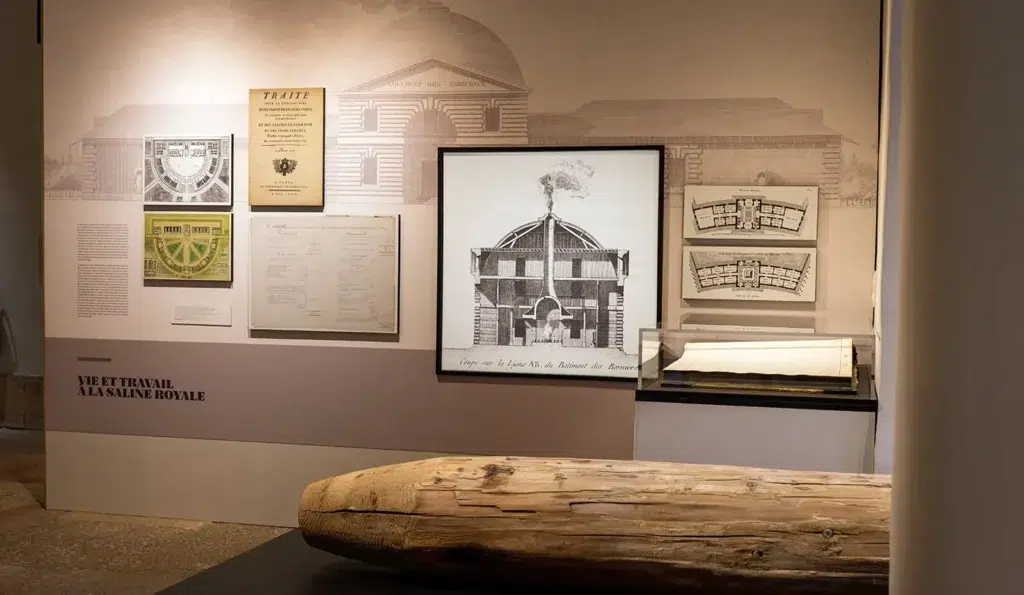
A visit to the Royal Saltworks is about more than just its architecture. Throughout the tour, four permanent exhibits offer a deeper look into the site’s history and help visitors better understand its evolution. The exhibition “Stories of Salt” traces the exploitation of this essential resource and its economic importance throughout the centuries, while “A Memory of the Place” looks back at the saltworks’ various phases after the end of its industrial activity, particularly during the two world wars. The Centre de Lumières, meanwhile, offers a digital immersion into the heart of the world’s greatest UNESCO World Heritage sites through monumental projections. You also can’t miss the Claude-Nicolas Ledoux Museum, the only museum in Europe entirely dedicated to a single architect. Through some sixty models, visitors discover not only the completed works but also the visionary projects of the man who conceived the Royal Saltworks. Theaters, mansions, industrial buildings, and even the famous “Cité Idéale” in Chaux come to life as the tour progresses.
The Garden Festival: An Open-Air Laboratory
Since 2022, the Royal Saltworks has expanded beyond its industrial heritage: it has also become a vast landscape experimentation site. It is surrounded by a 13-hectare park that brings together 30 gardens inspired by the philosophy of landscape architect Gilles Clément, who advocates for management practices that respect living organisms and biodiversity. Visitors can thus stroll through a succession of plant-filled environments, ranging from meadows and an edible forest to a miscanthus maze, sensory gardens, and spaces for contemplation—on a journey where nature is accompanied rather than controlled.
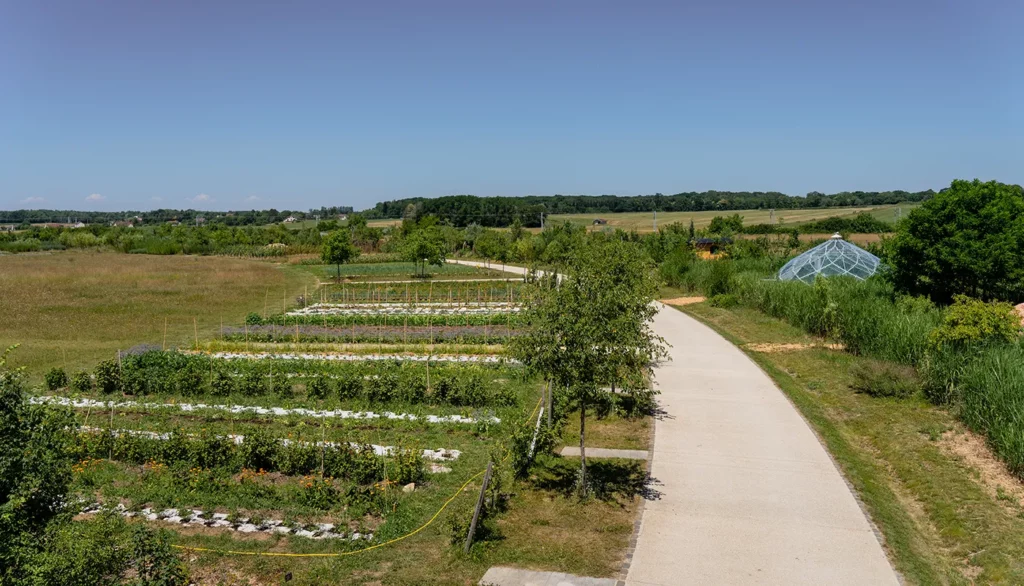
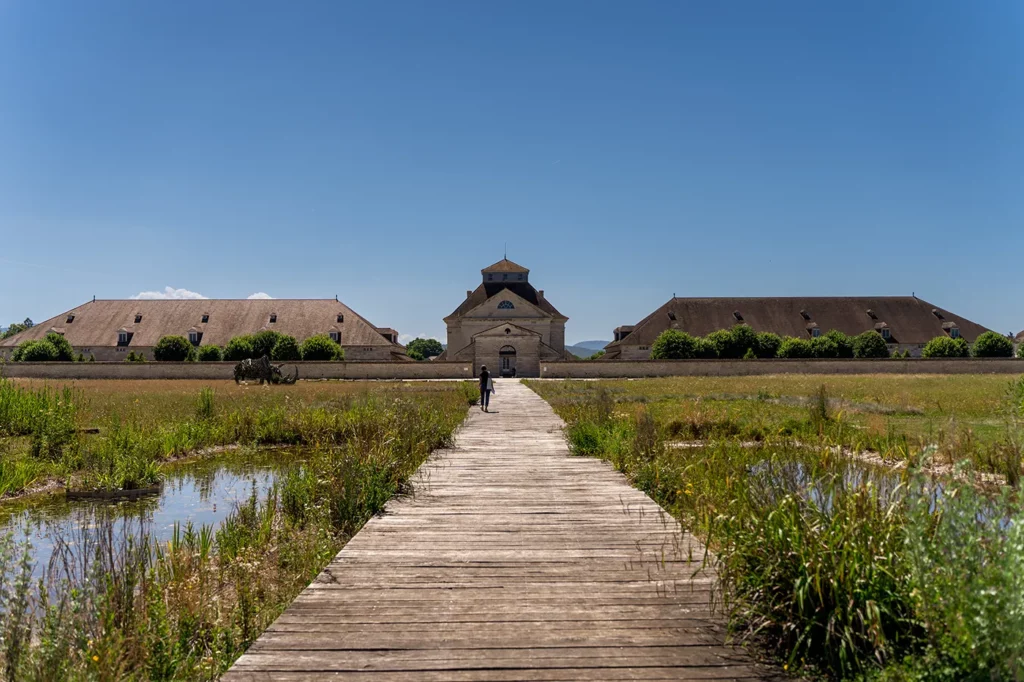
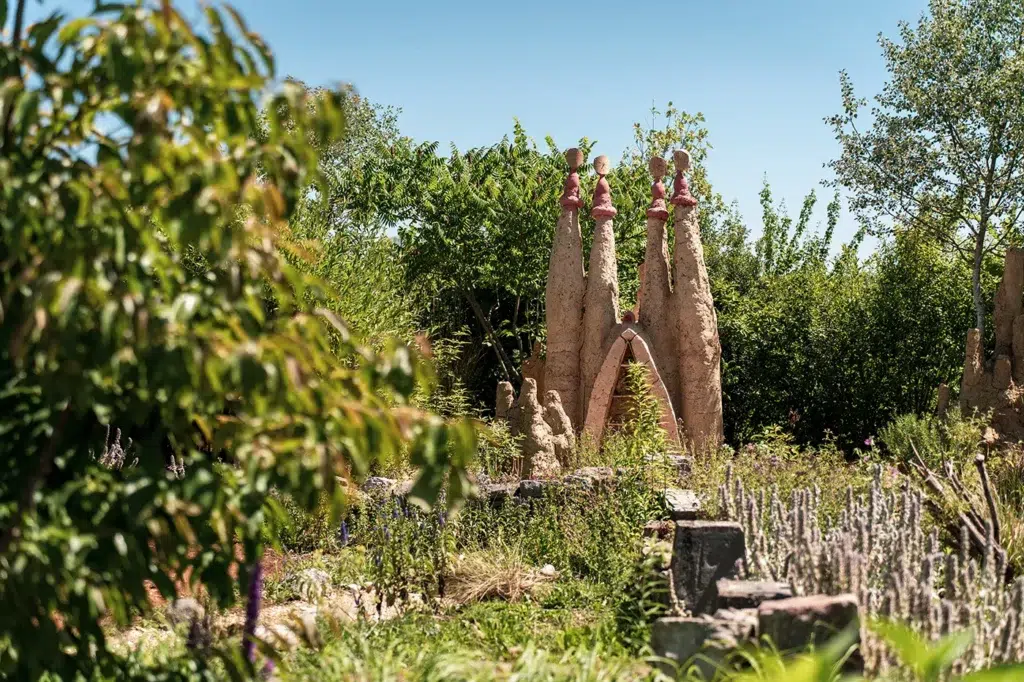
At the heart of this complex, the Garden Festival transforms a portion of the site each year around a contemporary theme. A true laboratory for the landscape architecture profession, it takes the form of a design competition bringing together students from schools in France, Belgium, and Switzerland. Guided by professionals, these future landscape architects design temporary gardens that explore today’s major environmental challenges, including climate change, biodiversity conservation, and new landscape design practices. Each creation thus becomes a space for experimentation where botany, architecture, art, and ecology intertwine.

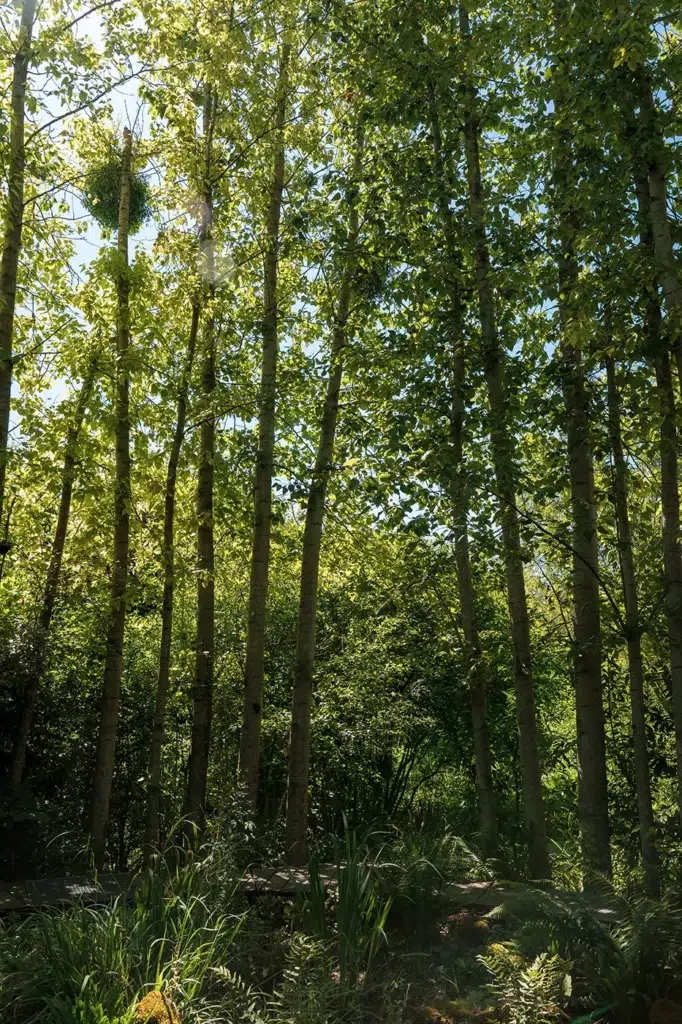
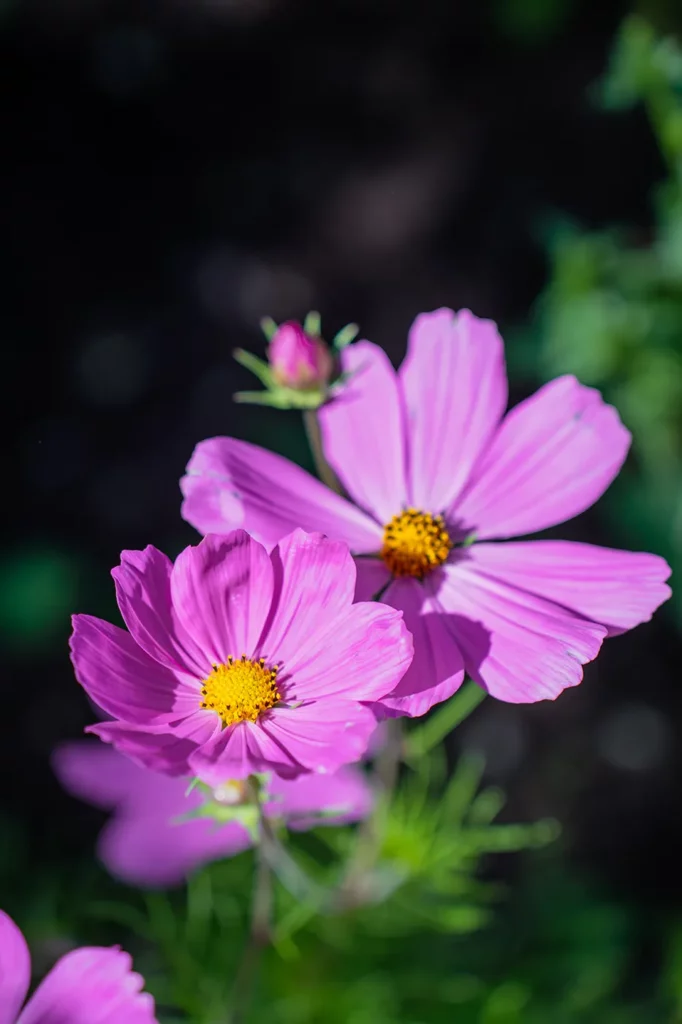
For this 26th edition, the festival invites visitors to take a fresh look at insects through the theme “The World of Metamorphosis”. The gardens showcase these tiny creatures, which are essential to the functioning of ecosystems—whether they are butterflies, dragonflies, stag beetles, carpenter bees, or even antlions. The trail allows visitors to discover their habitats, life cycles, and astonishing ability to adapt through immersive installations: ponds, plant-covered tunnels, dry-stone walls, wooden structures, and art installations invite the public to explore the world from an insect’s perspective…
An easily accessible destination by train!
If you’d like to visit the Saline Royale d’Arc-et-Senans, it’s easily accessible from Paris. Just take the TGV to Besançon or Dole, then a TER to Arc-et-Senans; the train station is located 200 meters from the Saline. The trip takes about 3 hours and 30 minutes.
Practical Information
Address:
Grande Rue
25610 Arc-et-Senan
Opening Hours:
November through March: 10 a.m. – 5 p.m.
April, May, June, September, and October: 9 a.m. – 6 p.m.
July and August: 9 a.m. – 7 p.m.
Website:
http://www.salineroyale.com/
Prices:
Full price: €15
Ages 16–25: €13
Ages 6–15: €10
Under 6: free