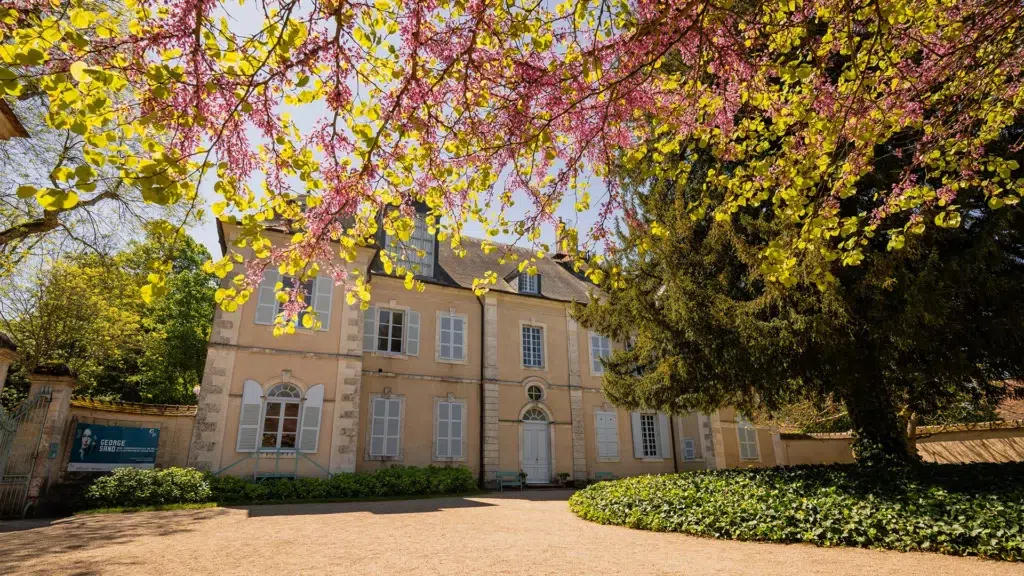

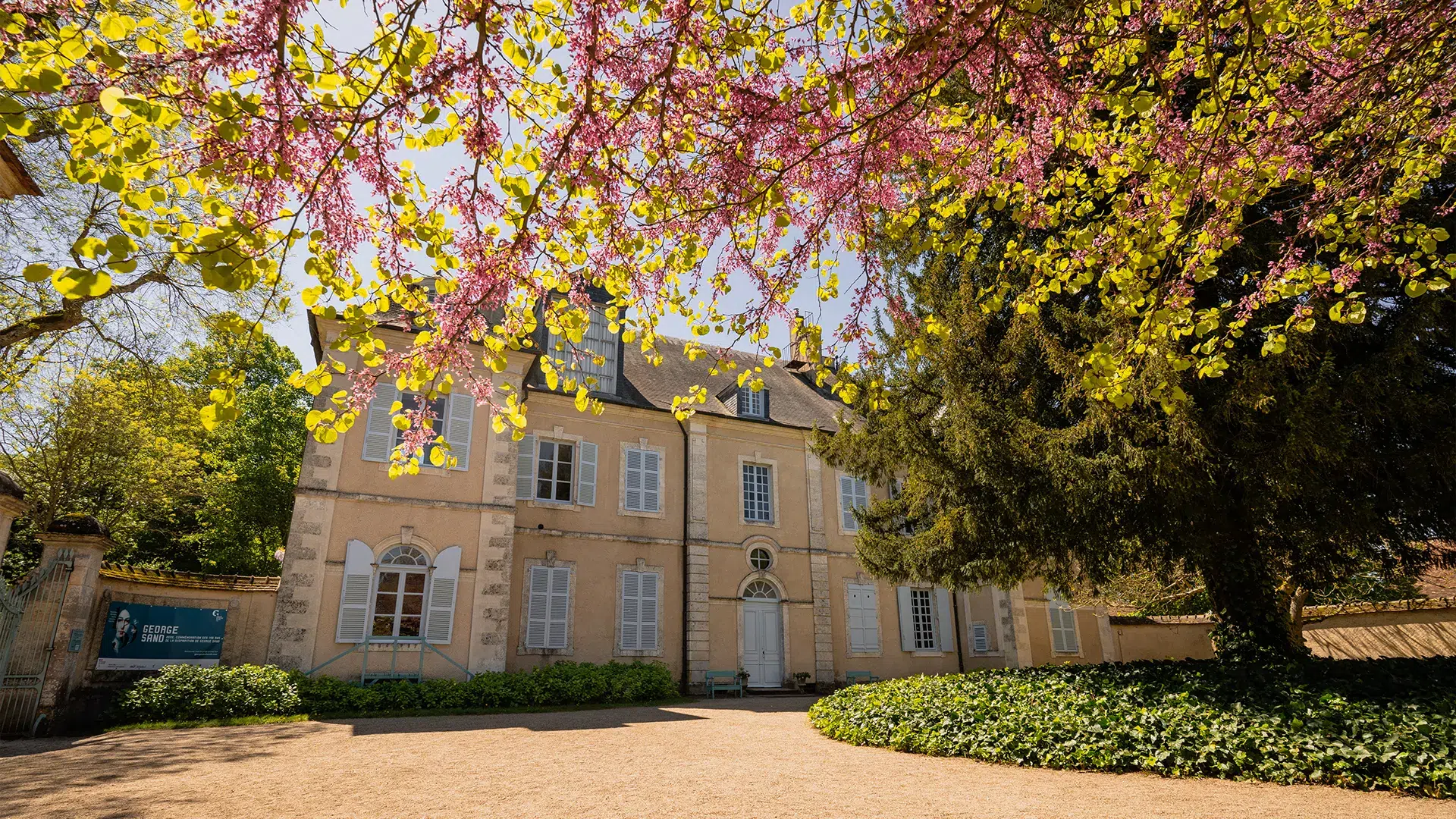
Nestled in the heart of Berry, George Sand’s house in Nohant-Vic is much more than just a home: it is a place steeped in history, inspiration, and creativity.
This family home served as the writer’s favorite retreat, where she composed much of her work surrounded by the greatest artistic figures of her time, from Frédéric Chopin to Eugène Delacroix. Now preserved as a precious testament to France’s literary heritage, the home invites visitors to step into the private world of George Sand. It’s also the perfect idea for a day trip (or longer if you’d like!), easily accessible by INTERCITÉS train from Paris.
What is the history of George Sand’s House? How can you visit it? What is there to see? Follow the guide!
Visit George Sand's house
- How do i get there?
From Paris, you can take the INTERCITÉS train from Austerlitz Station and get off at Châteauroux (2 hours and 10 minutes). From there, take bus line F to the Maison de George Sand, getting off at the “D943” stop in Nohant-Vic (30 minutes).


- Best time to visit
The house is open year-round, but to enjoy the garden, it’s best to visit when the weather is nice.
For a more intimate visit, choose spring or fall—two seasons when you can enjoy the site in a more peaceful setting.
- Don't forget to make a reservation!
While the gardens are open to the public free of charge and without a reservation, the George Sand House can only be visited as part of a guided tour. To ensure you can get in, it’s best to book a tour time slot.
Plan your train trip
You can reach the Maison de George Sand via the INTERCITÉS network, which serves more than 140 cities in France.
From Paris, it takes about 3 hours to get there by taking an INTERCITÉS train from Austerlitz Station to Châteauroux Station; there are 10 round-trip trains per day. Then take a bus (Line F) to the “D943” stop. Schedules vary by day, so check your usual route-planning websites.



Traveling by train is convenient, eco-friendly, relaxing, and very enjoyable. Make sure to plan your trip carefully:
Keep your tickets handy
Whether you’re boarding the train or in case of a ticket inspection on board, keep your tickets easily accessible. Feel free to use the SNCF Connect app to have them on your phone at all times.
Enjoy the trip
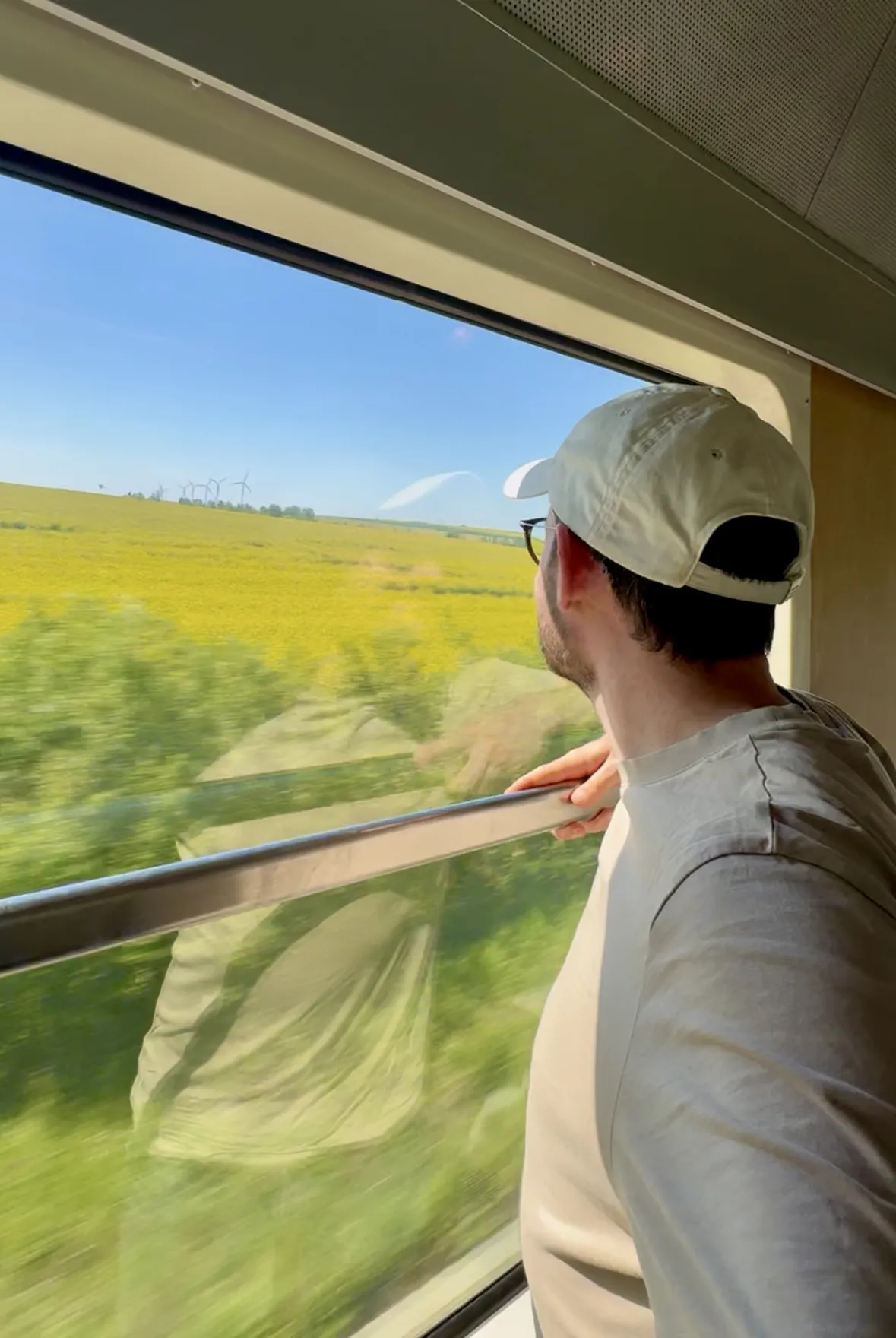
Enjoy the ride and the scenery to relax or have a good time! Bring something to read or download a TV show. The INTERCITÉS Wi-Fi portal also offers a wide selection of entertainment content: TV shows, movies, games, and more. Be sure to bring your headphones so you don’t disturb other passengers.

George Sand's house
The Arrival of Amantine Aurore Lucile Dupin in Nohant
It was in 1804, in Paris, that the woman who was not yet known as George Sand—but as Amantine Aurore Lucile Dupin—was born, the daughter of Maurice Dupin, a captain in Napoleon’s army, and Sophie Victoire, a woman of humble origins. Her paternal grandmother, Marie Aurore Dupin de Francueil, came from the high aristocracy. She fled Paris and the revolutionary turmoil of the early 19th century for Nohant, a village in the Berry region, where she led a peaceful life.
In 1808, the small family went to visit the grandmother, but the visit turned into a nightmare when Maurice Dupin died in a horse-riding accident. Mrs. Dupin had just lost her only son and wanted to keep her granddaughter with her. In exchange for a comfortable allowance, Sophie Victoire agreed to return to Paris and entrusted Aurore’s guardianship to her grandmother.
When her mother died in 1821, Aurore was only 17 and inherited a vast estate. She soon married François Dudevant, with whom she had two children, but the marriage was rocky: Aurore wanted freedom, while François Dudevant wanted to control everything; she was passionate about the arts, while he had little appreciation for them… So much so that after ten years of marriage, separation was inevitable. Aurore, a modern woman, successfully fought—at a time when breakups were taboo—to secure this separation while retaining the house in Nohant.
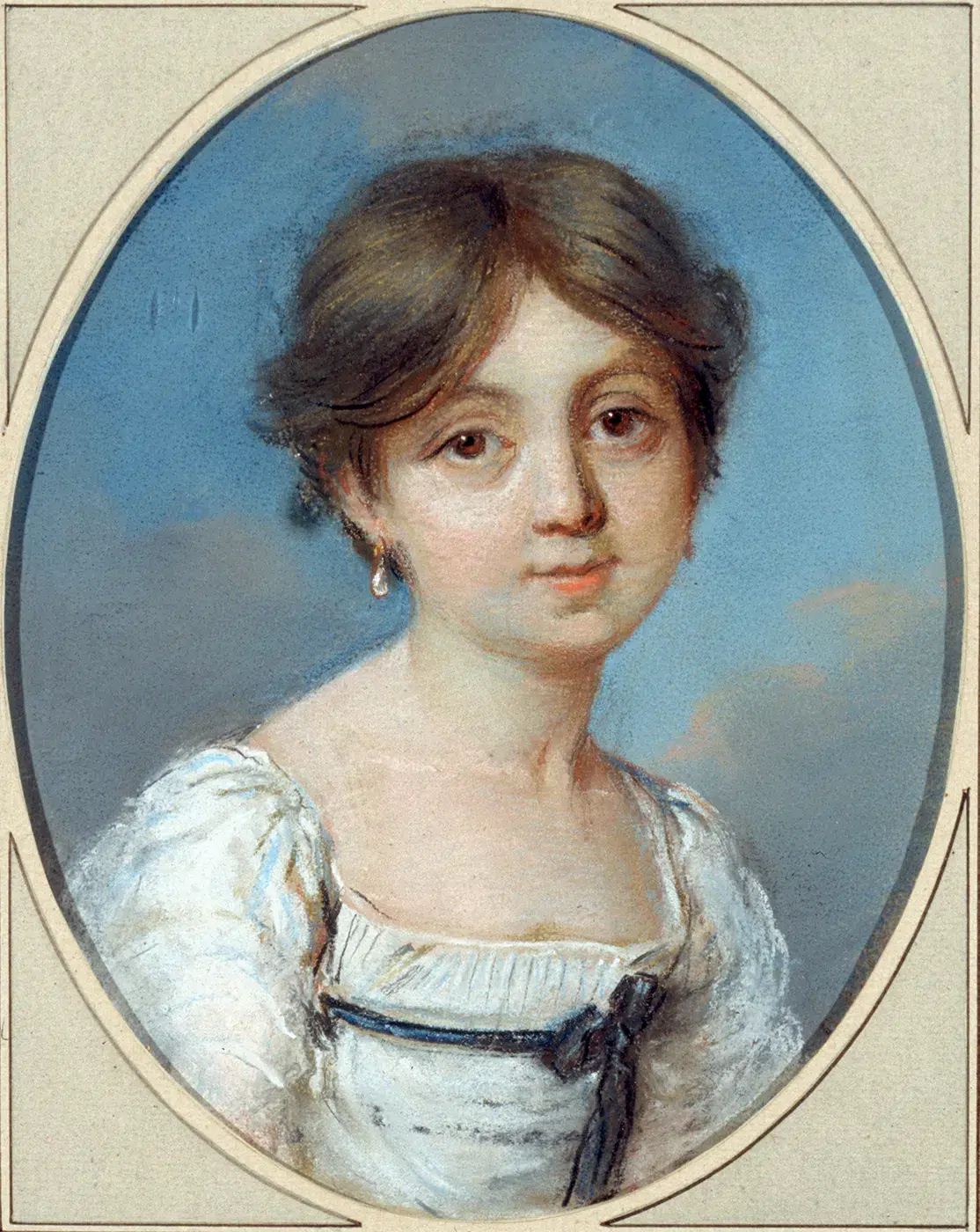
Left: Portrait of Aurore Dupin from 1810 by her grandmother, Musée de la Vie Romantique, Paris.
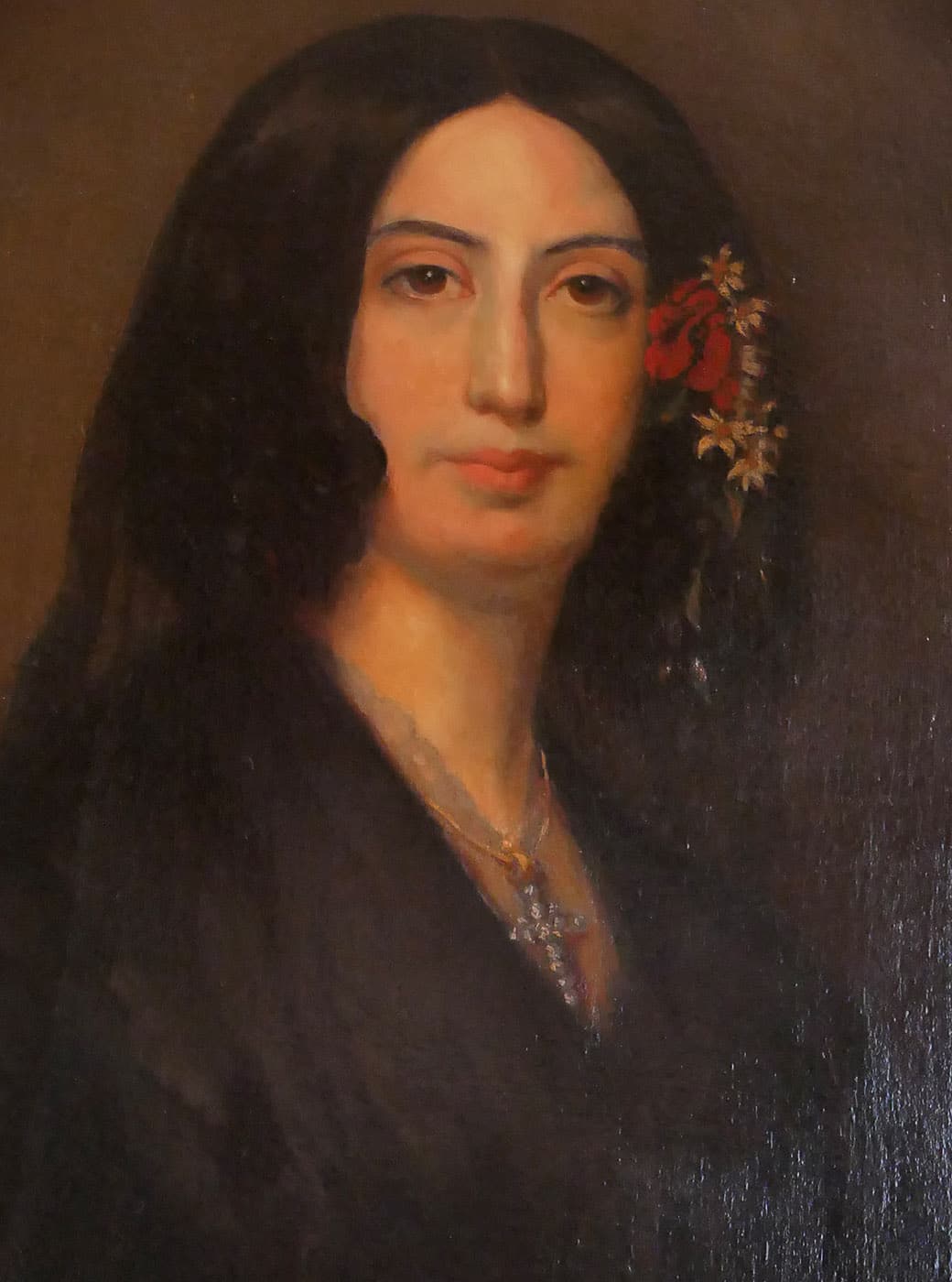
On the right: a portrait of George Sand (Aurore Dupin) from 1838 by Auguste Charpentier
Where does George Sand's pen name come from? 🤔
In 1831, Aurore had an affair with Jules Sandeau. The couple became journalists for Le Figaro and signed their articles under the name J. Sand. So when Aurore wrote her first book, Indiana, she naturally kept the surname Sand but chose the first name George, which for her was synonymous with the Berry region; its etymology meaning “one who works the land.” George Sand was born!
In her books, she explores the status of women, a novel theme for the time. The combination of this new theme, coupled with her beautiful writing style and the intrigue surrounding this “George Sand” whom no one knew, quickly made her books a success.
Life in Nohant
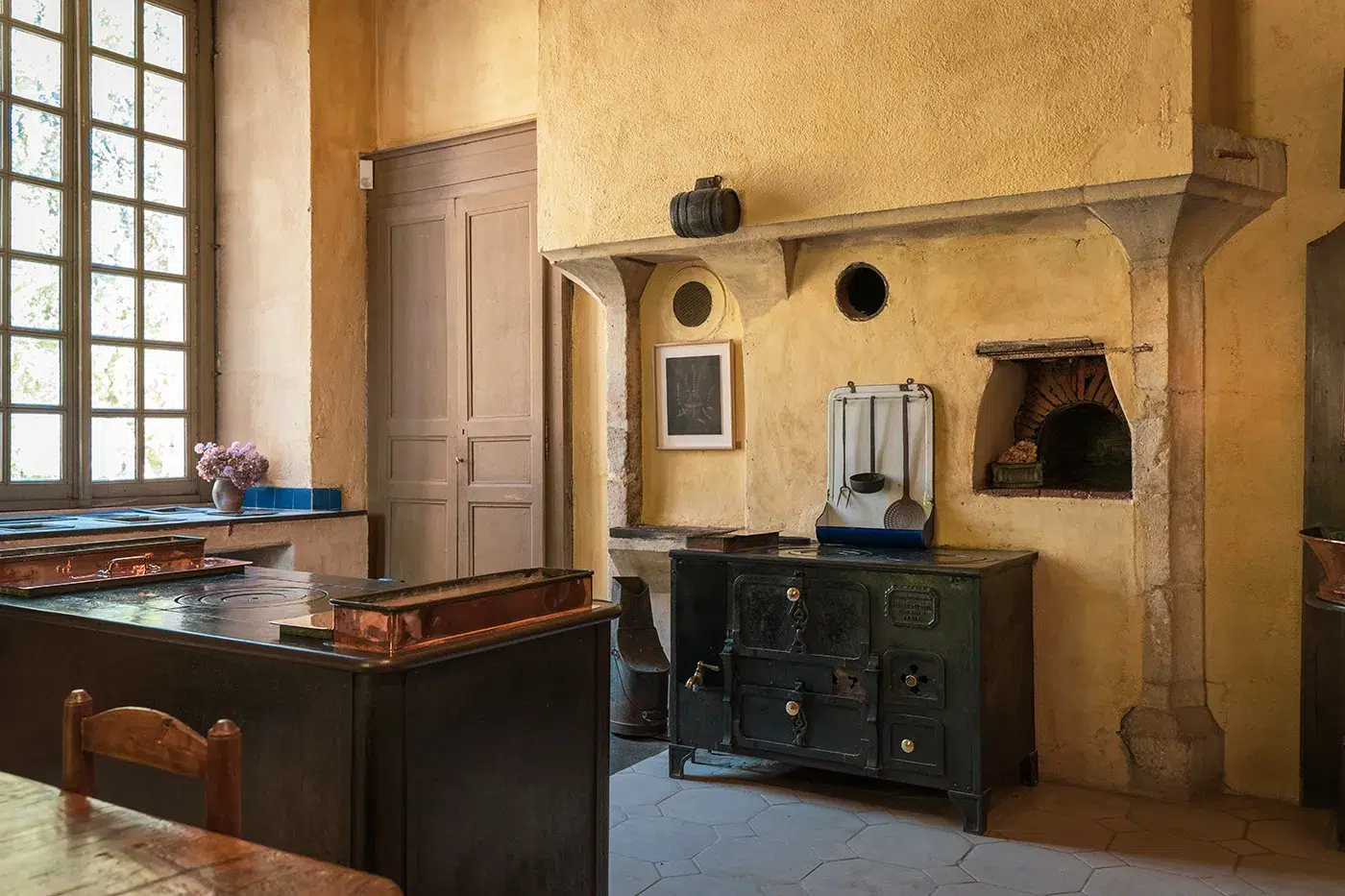
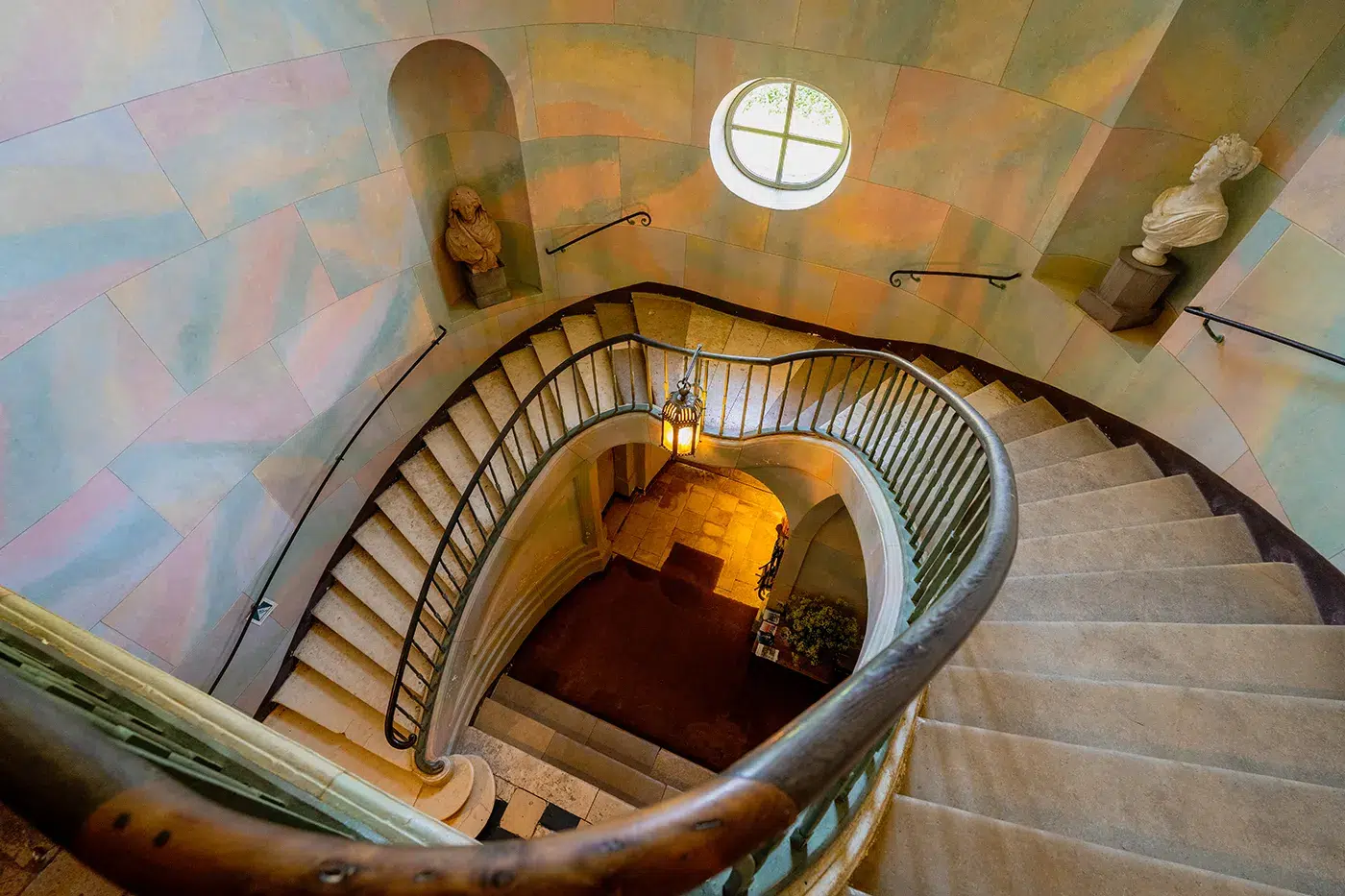
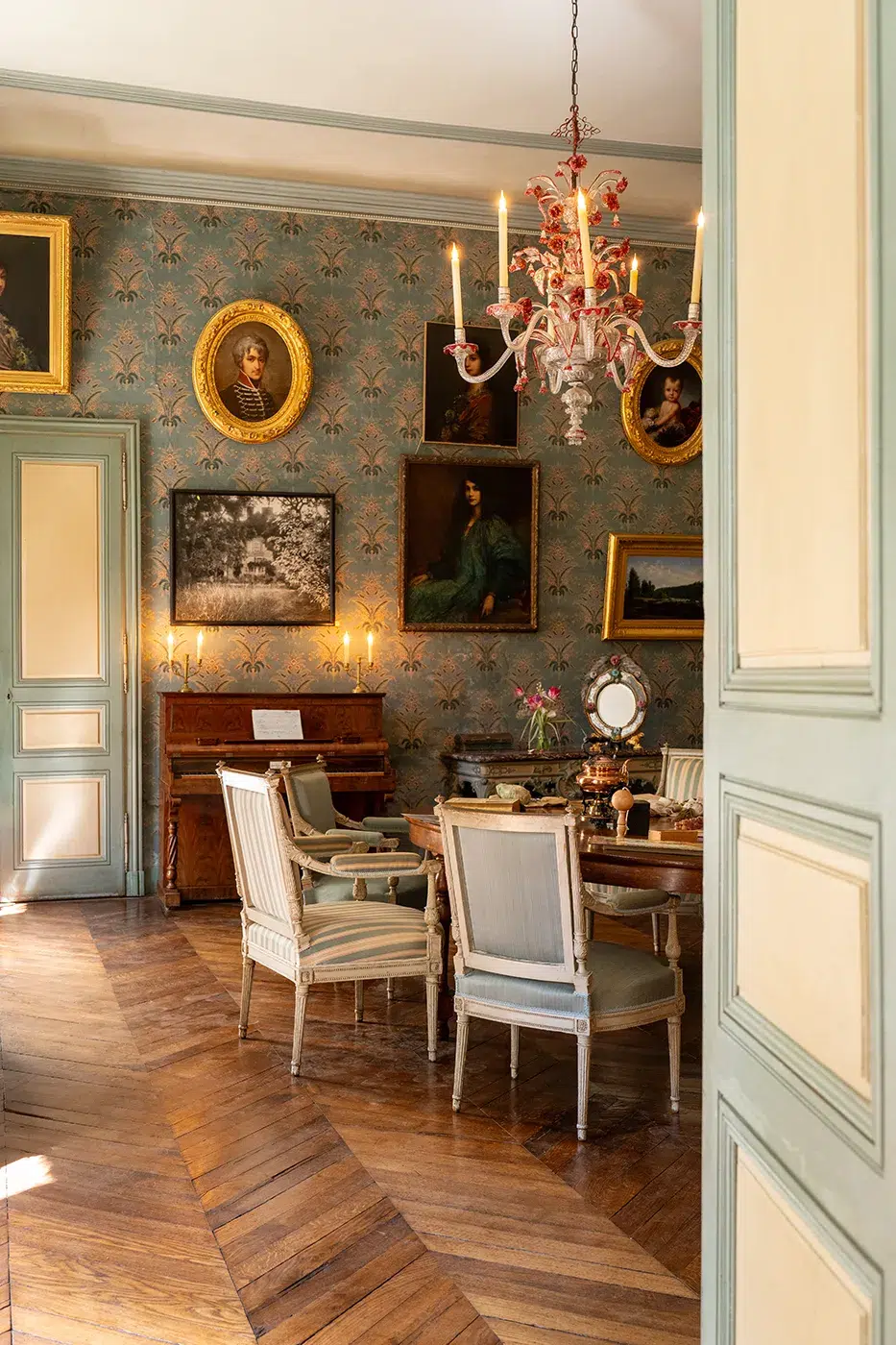
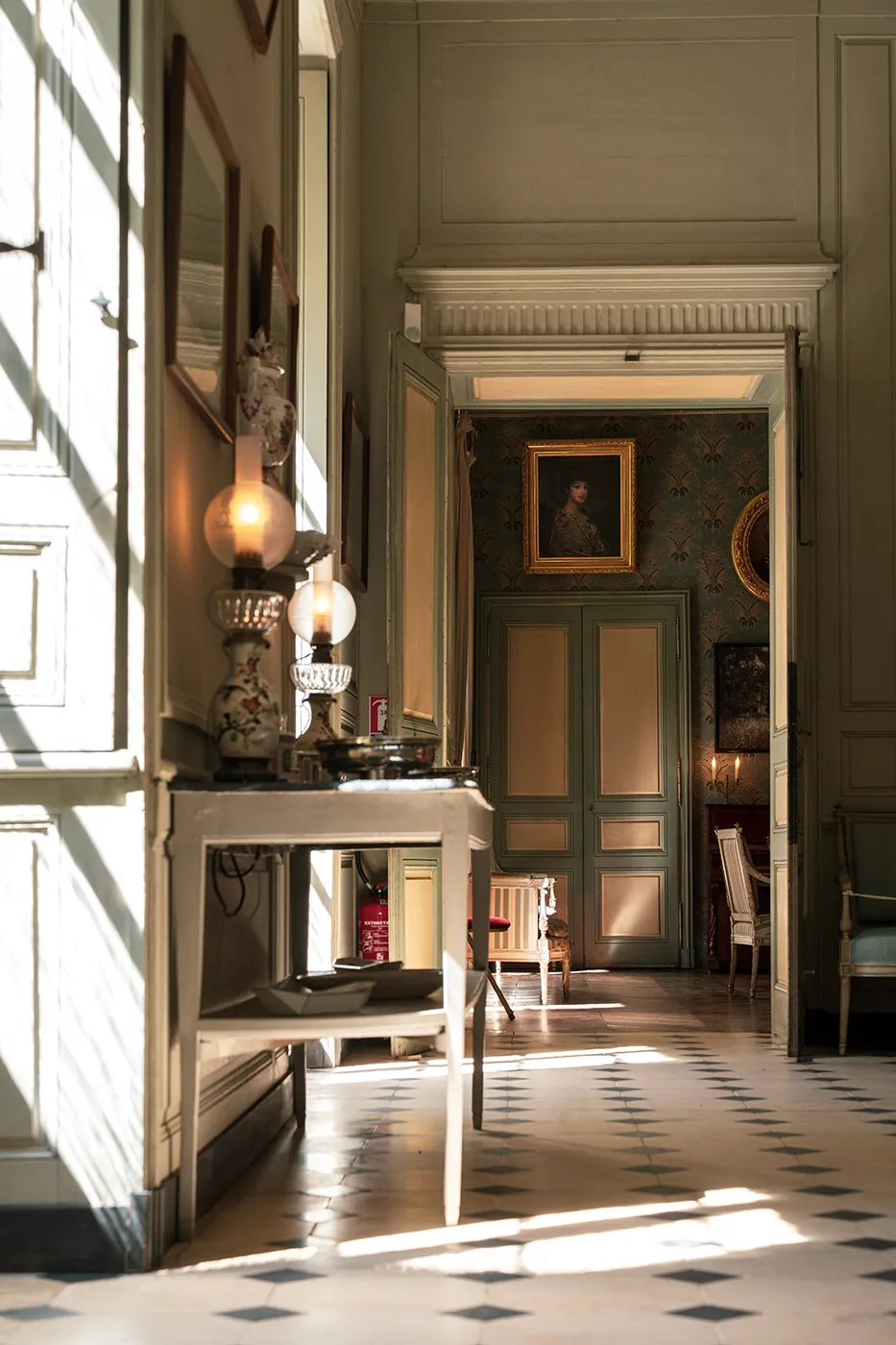
George Sand succeeded in transforming Nohant into a vibrant cultural hub. She loved entertaining and being surrounded by people. It was therefore only natural that she invited many friends—some of them quite famous—to stay with her. Among the notable figures who stayed at Nohant were Delacroix, Dumas fils, Liszt, Balzac, Flaubert, and Chopin, who shared her life for nine years and composed nearly two-thirds of his work in this house!
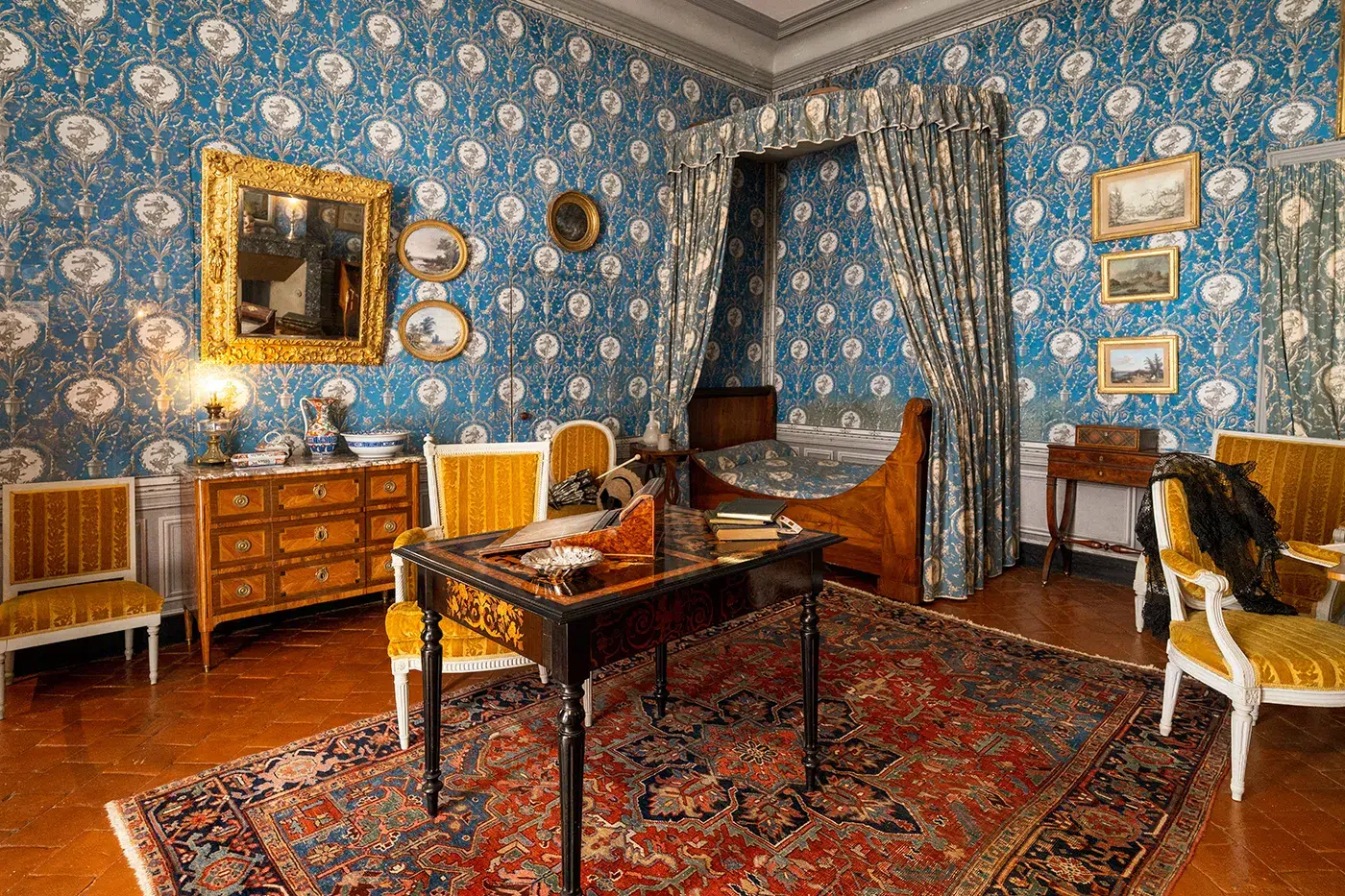
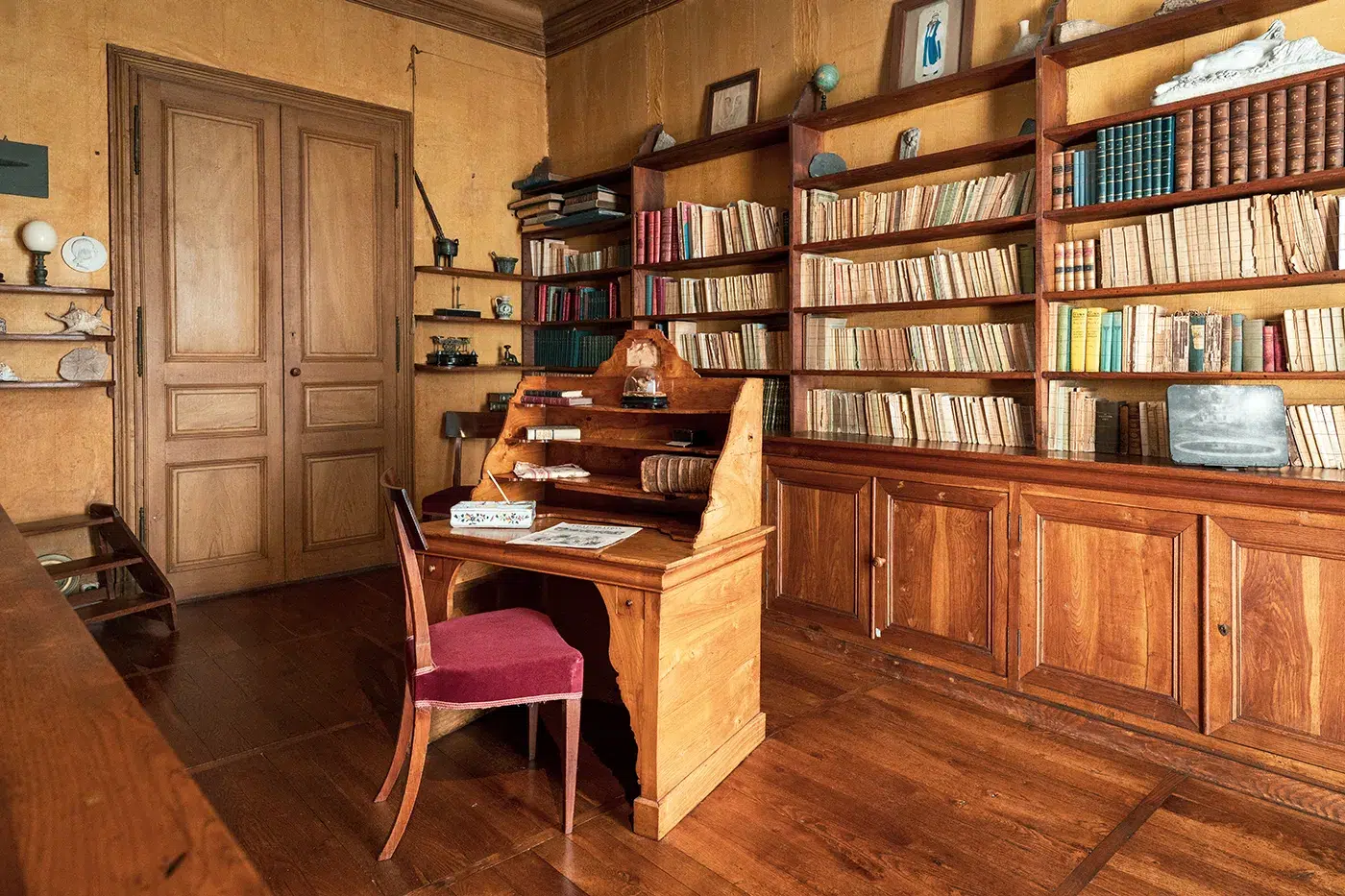
Although the house is in the countryside, life there is anything but secluded: Sand, a resolutely modern woman, brought Parisian sophistication to her home in Berry, even going so far as to install a theater! All the guests and servants were thus invited to perform on the stage at Nohant, giving our writer the opportunity to test out her new plays. Her son, with whom she shared a very close bond, developed a passion for puppets and created some 150 characters, which he carefully staged for the guests.
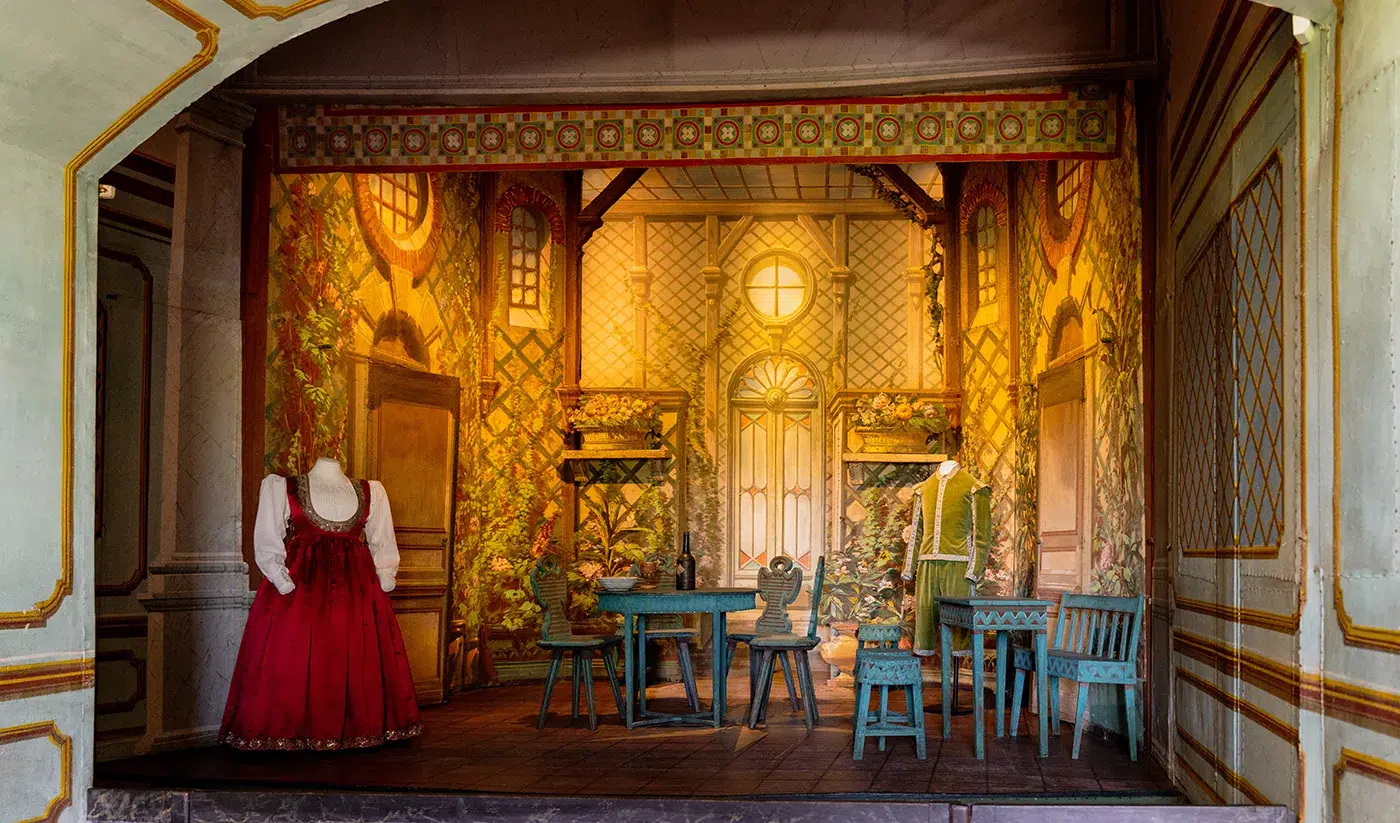
While everyone went about their business in the morning, everyone gathered for dinner, which was served fairly early, around 5:30 p.m. To pass the time during the long evenings, we played music, sang, read aloud, drew… Nohant was a timeless place where life was good.
A remarkable garden
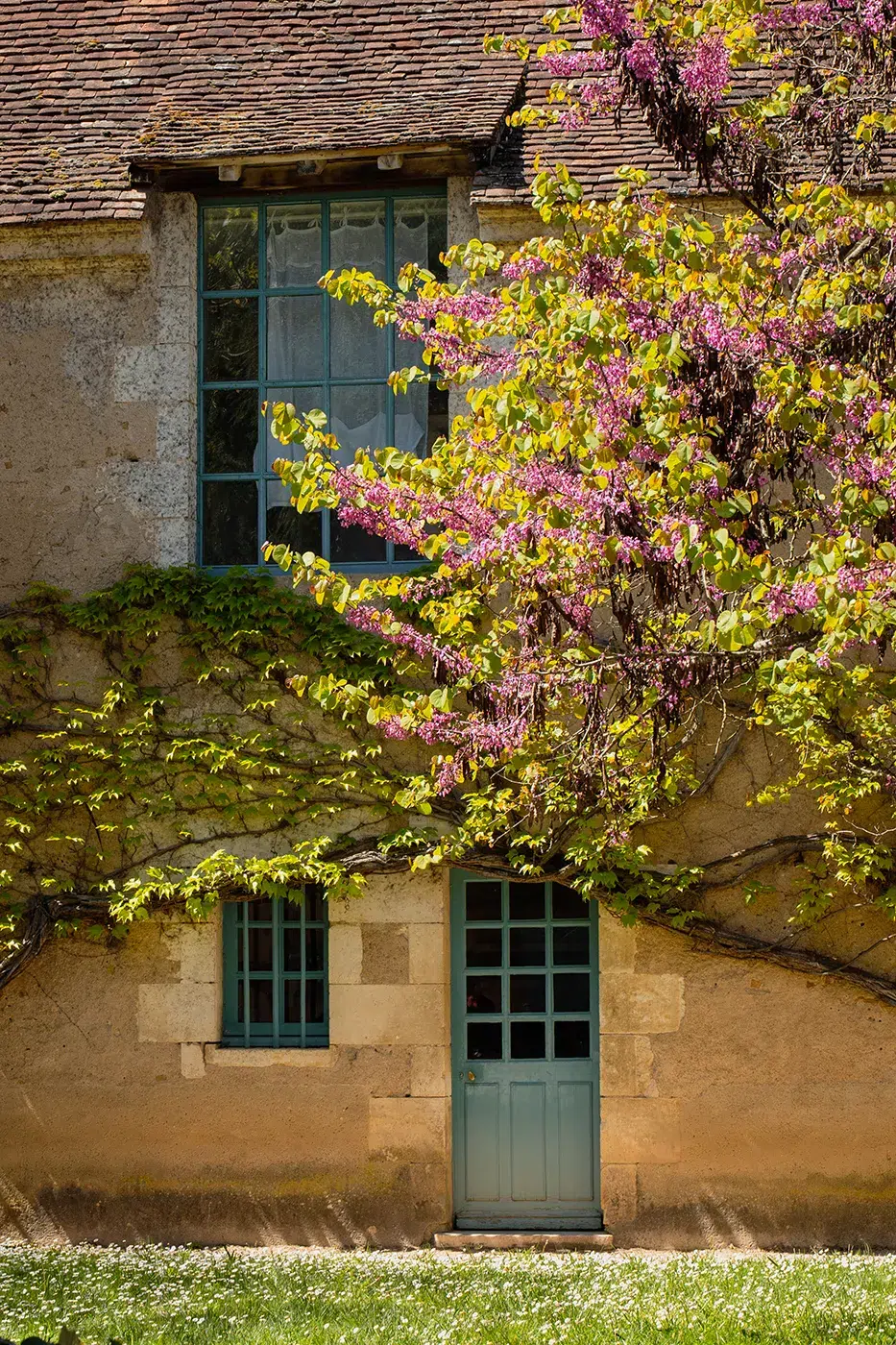
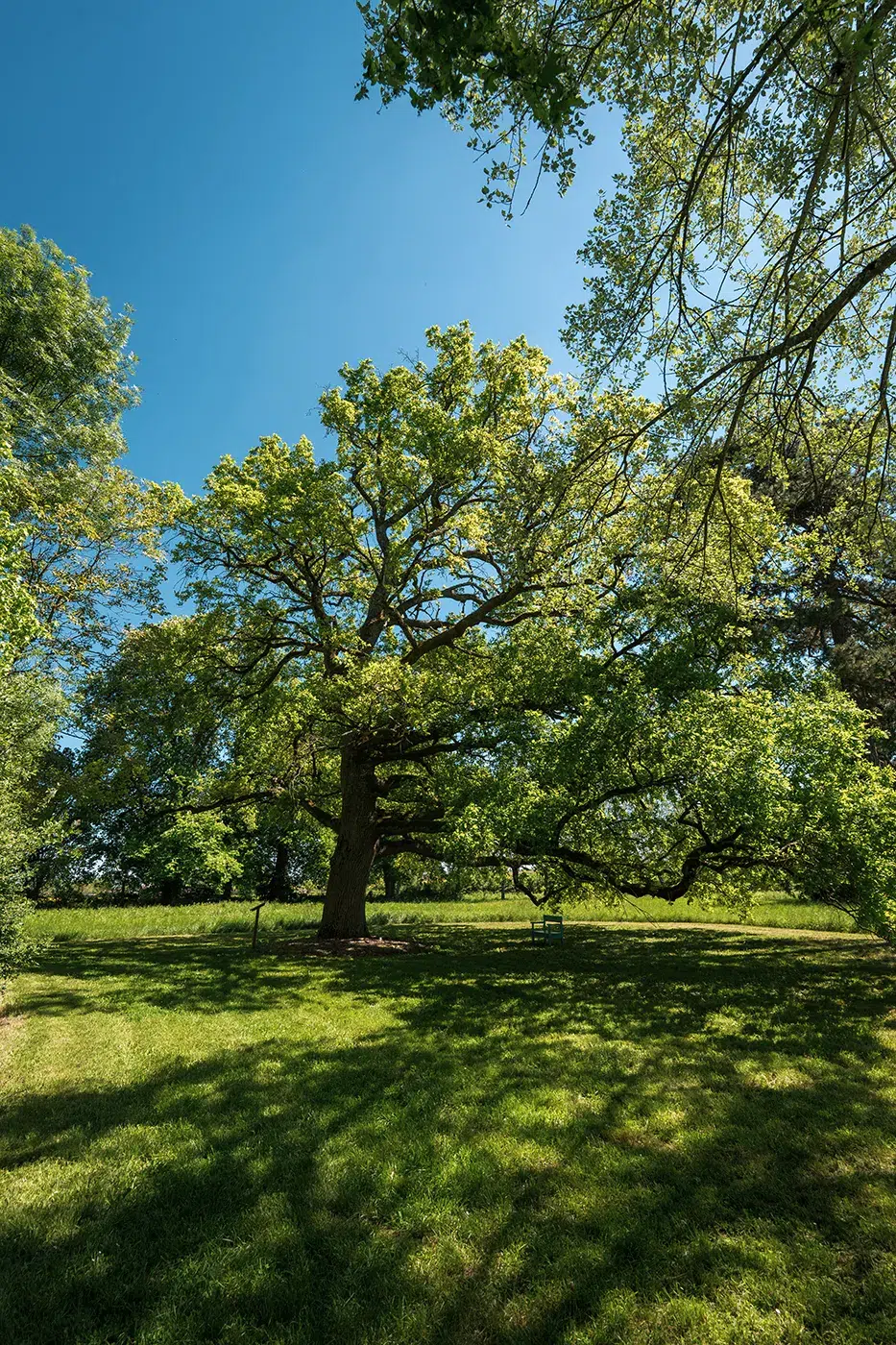
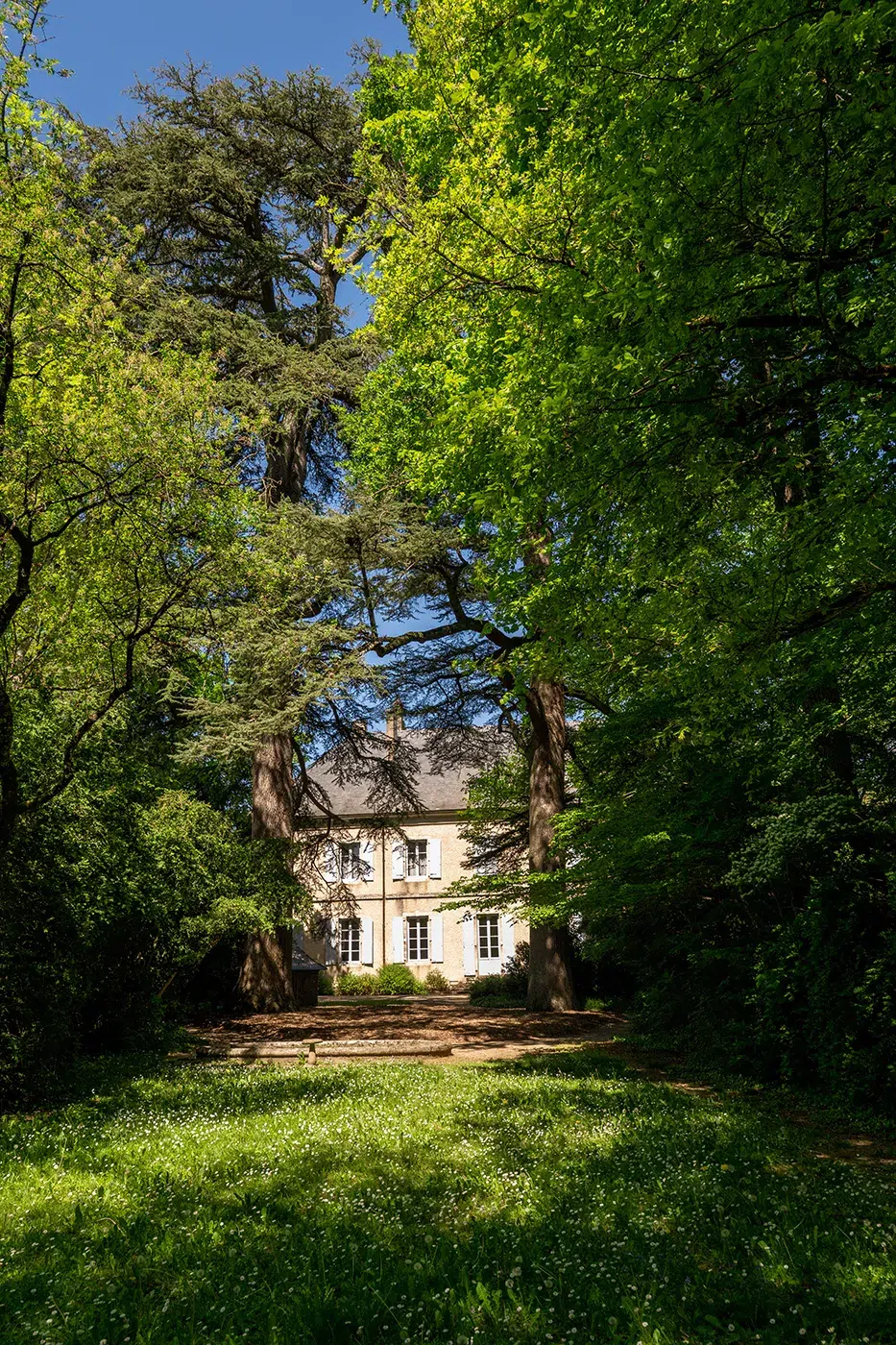
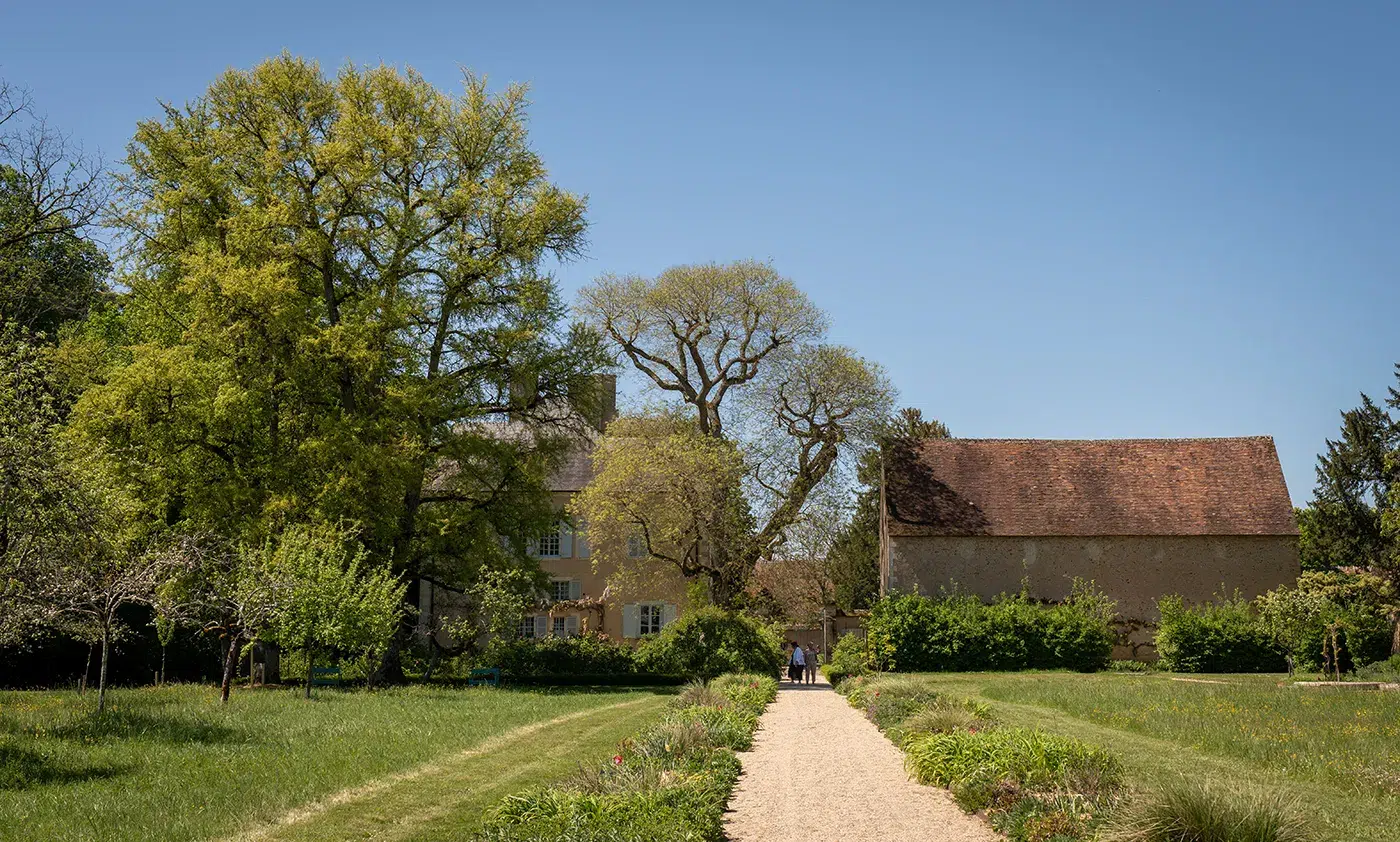
No visit to Nohant would be complete without exploring its gardens. They now cover 6 hectares, but in George Sand’s day they stretched over 250! The garden consists of three sections: a formal, classical area, a vegetable garden, and an orchard. The writer, who loved nature, had a rose garden and maintained a very large vegetable garden to feed her guests.
The estate is also notable for its family cemetery, which is home to the grave of George Sand, who rests forever in this enchanting place she loved so dearly.
Since 1961, the estate has been administered by the Centre des monuments nationaux, which is responsible for its management and preservation.
The garden is open to everyone without a reservation, while the house can be explored during guided tours offered several times a day.
Get a discount when you show your Intercités train ticket 👍
As part of a partnership between Intercités and the Centre des monuments nationaux, upon presentation of your train ticket dated within the last 5 days, you’ll receive a reduced rate of €7.50 instead of €9.
Upon presentation of your INTERCITÉS train ticket, you’ll receive up to 20% off admission to selected monuments in the regions you travel through, such as the Palais Jacques Cœur or the castle and ramparts of Carcassonne:
Practical information
Adress
George Sand’s House
2 Place Sainte-Anne
36400 NOHANT-VIC
Getting there by train
It takes about 3 hours from Paris: take an INTERCITÉS train from Austerlitz Station to Châteauroux Station, then the bus (Line F) to Nohant-Vic, getting off at the “D943” stop.
Prices and hours
Garden and park open to the public
Guided tours of the house only:
€9, free for visitors under 26
Hours vary by season; please visit the official website: https://www.maison-george-sand.fr/
Enjoy your visit to George Sand’s home! 🚆
A big thank you to Caroline for her warm welcome.